


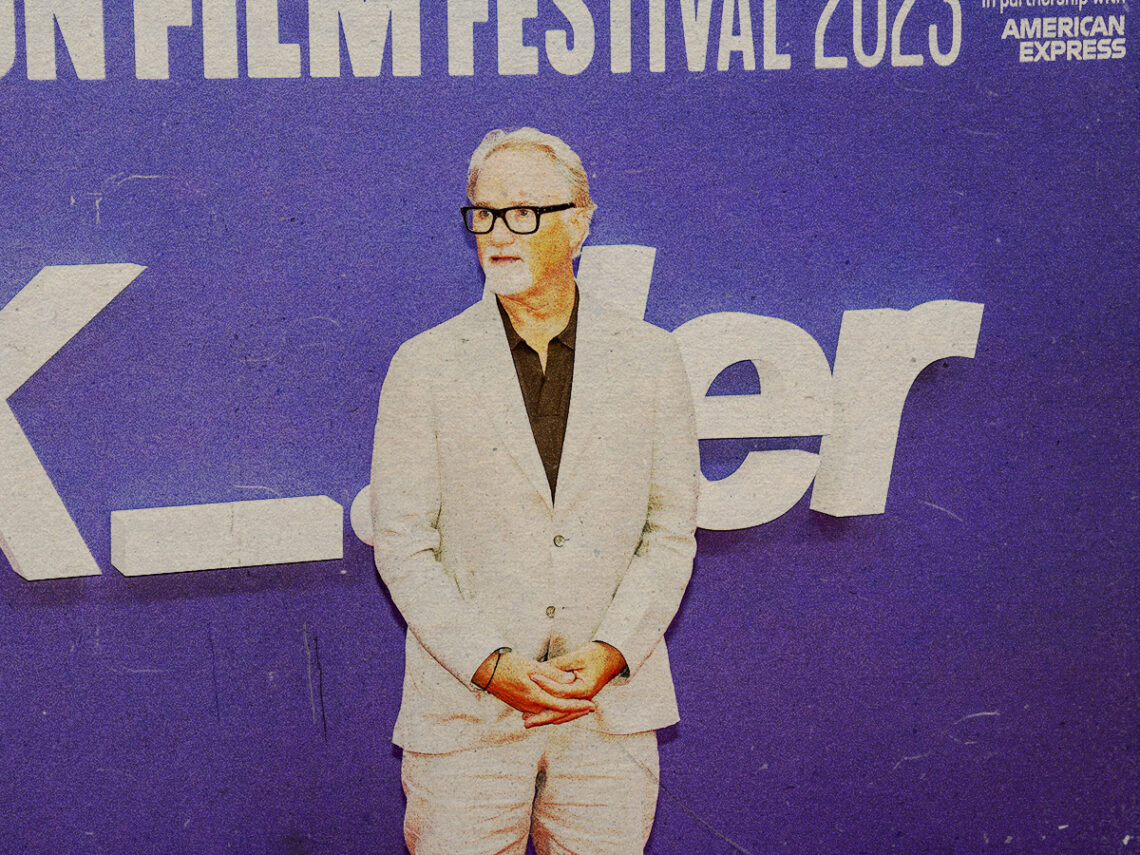
David Fincher explains why he shoots so many takes: “That doesn’t make any sense to me”

David Fincher has earned quite the reputation as a filmmaker. The man behind Zodiac, Fight Club, Se7en, and more puts an insane amount of effort into his projects, undergoing extensive research before even thinking about shooting something. He demands a similar level of commitment from his actors, which has often led to on-set bust-ups and performers refusing to work with him more than once.
One particularly gruelling feature of Fincher’s approach to directing is the number of takes he requires for each scene. Gone Girl averaged around 50 takes per scene, whilst Rooney Mara reportedly had to endure 99 takes of the same scene whilst making The Social Network. This practice came up during an interview with Screen Daily, to which Fincher gave a simple response.
“My philosophy is you spend $250,000 on a set,” he explained. “You put it on a sound stage that costs $5,000 a day; $8,000 on lights; $150,000 on crew; actors from all over the world. And the idea is to get them out as soon as possible? That doesn’t make any sense to me,” the master of the thriller said, reportedly after sighing heavily at being asked this question. “I want to make sure we get it. I don’t want to have to say, ‘Well, we tried.’ My process is to give 17, 18, 25 bites of the apple.”
Fincher’s insistence on shooting dozens and dozens of takes has drawn comparisons to Stanley Kubrick. Famously, the late genius demanded 127 takes of Shelley Duvall’s baseball bat scene in The Shining, leading the actor to endure so much stress that her hair started to fall out. Elsewhere in the same movie, he made actors Danny Lloyd and Scatman Crothers do a scene 148 times in a row. According to the Guinness Book of World Records, this remains the ‘most retakes for one scene with dialogue.’
Not every director shares this ideology. Clint Eastwood usually only requires one or two takes of a scene before calling it a day. This partially comes from his experience as an actor, working with directors like Fincher and Kubrick, who overworked their cast and crew. John Ford, the Golden Age director of some of the greatest Westerns ever made, regularly relied on just one take. His philosophy was that this was the shot that would have the most emotion, and it earned him a reputation as one of the most efficient filmmakers of his day.
Ben Affleck, who starred in Gone Girl and is an accomplished director in his own right, has his own theory about why Fincher prefers a multiple-takes strategy. He raised this idea when chatting with Fincher as part of Variety’s ‘Directors on Directors’ series and, in his mind, it was a case of two competing filmmaking philosophies. “One is a very specific idea of how you think it will work the best and how you’d like it to be,” he said. “And the other is this profound desire to discover something accidental, different and new in the process.”
Regardless of how long they take to film, Fincher’s movies are regarded as some of the greatest ever made. As long as he continues to get results, he’s unlikely to change his ways, no matter how many famous actors storm off his sets.
