


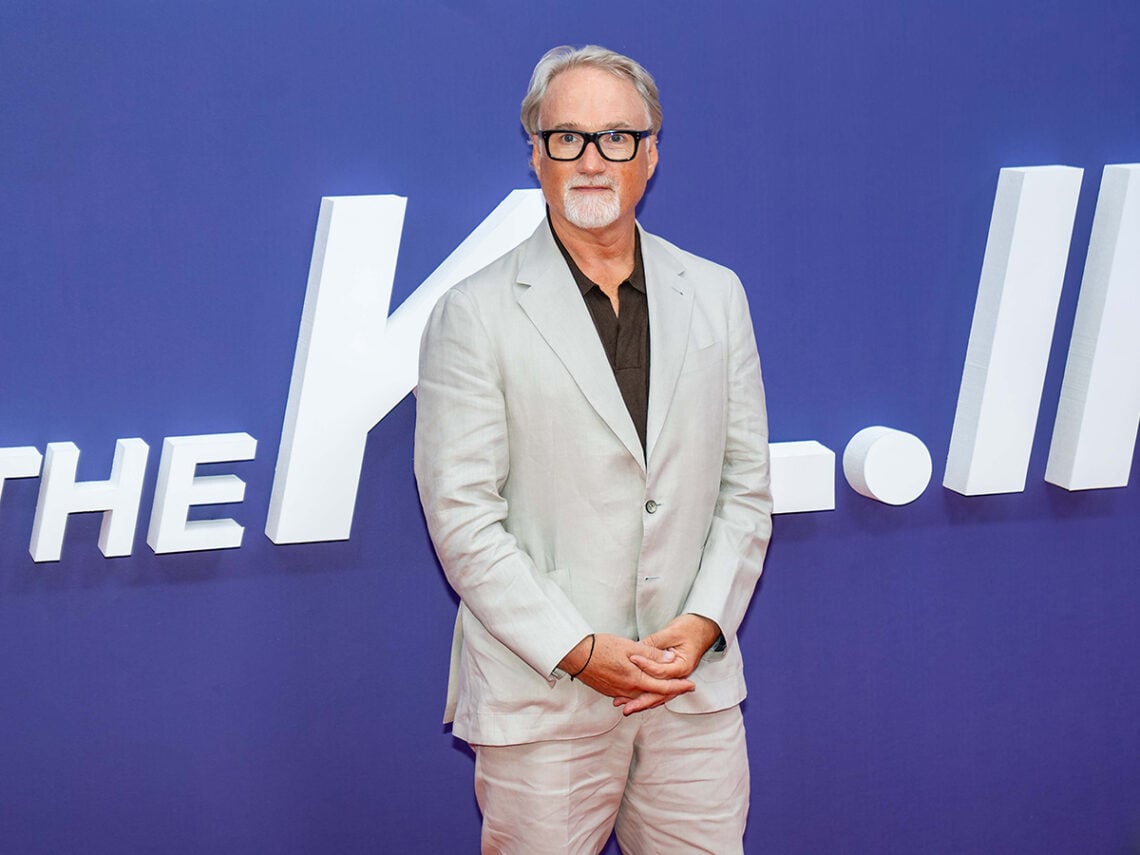
David Fincher reveals his “creepy” ‘Harry Potter’ pitch was rejected

Director David Fincher has revealed that he was asked to pitch his take on the Harry Potter series in order to potentially be brought in to make one of the films. However, he had a very specific vision, which he labelled “creepy”.
After eight films, the series became the fourth highest-grossing franchise of all time behind the Marvel Cinematic Universe, Spider-Man, and Star Wars. Now, Fincher’s new revelation provides a glimpse at what might have been if they had chosen to go down his desired path.
“I remember saying, ‘I just don’t want to do the clean Hollywood version of it,’” the Zodiac director told Variety. “‘I want to do something that looks a lot more like Withnail and I, and I want it to be kind of creepy.’”
However, this didn’t align with the ideas that Warner Bros was floating. “They were like, ‘We want Thom Browne Schooldays by way of Oliver,’” Fincher said.
A mashup of a preppy American fashion brand and the 1960 musical based on Charles Dickens’ Oliver Twist is a remarkably accurate description of what the series turned out to be. Therefore, it’s difficult to imagine Fincher, whose work includes the gritty violence of Seven, Fight Club, and The Girl with the Dragon Tattoo, could fit himself into such a sanitised box.
Although Fincher’s proposal was unsuccessful, there was precedent for directors with distinctive styles being brought in for the franchise, even if the studio assembly line dulled their unique visions. Chris Columbus made the first two films, which are very much in keeping with his kid-friendly work in Home Alone and Adventures in Babysitting. Mike Newell, whose previous ventures included Four Weddings and a Funeral and Donnie Brasco, struggled to untangle the enormous plot of the fourth film.
Most notable of all was Alfonso Cuarón, who directed the third and best film in the series, Harry Potter and the Prisoner of Azkaban.
Cuarón brought stylised darkness and a hint of strangeness to the series. His previous work, including Great Expectations and Y tu mamá también, bore little resemblance to Rowling’s books, but he still managed to put his own stamp on the film, just as Fincher no doubt would have done if he’d been given the chance.

Never Miss A Scene
The Far Out Film Newsletter
All the latest film news from the independent voice of culture.
Straight to your inbox.