


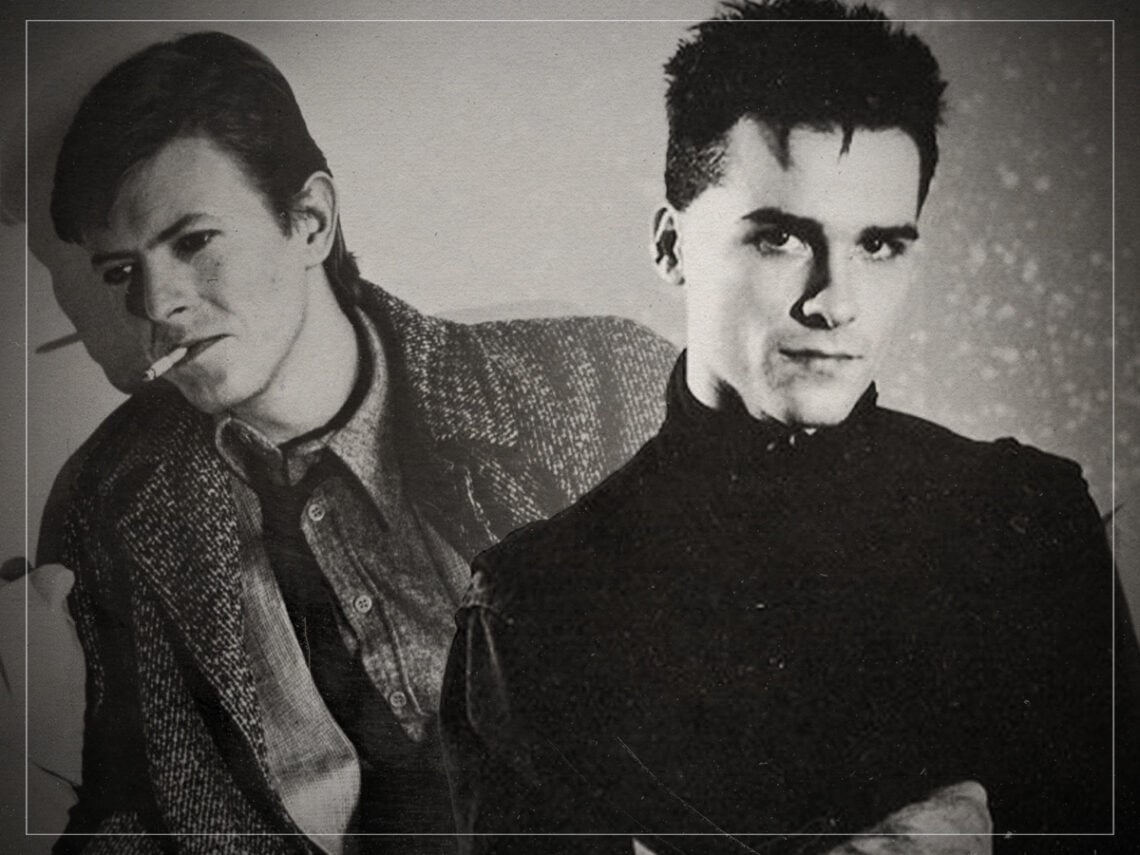
When David Bowie pulled Al Jourgensen from the brink of drug addiction: “You need to stop”

Al Jourgensen didn’t title 1999’s Dark Side of the Spoon for nothing.
As well as kickstarting his groan-inducing trend for album name spoofs – Houses of the Molé, Rio Grande Blood – the Ministry founder and frontman was hopelessly lost in the throes of a gnawing heroin habit during the record’s fraught sessions. The blackened underside of a bent spoon used to dissolve smack was a routine sight for anyone in the Ministry camp, whether fellow users like Mike Scaccia or wearily navigated around by longtime co-member Paul Barker.
But Jourgensen was an all-around drug fiend. As well as a taste for LSD and crack cocaine, heroin was flowing through Jourgensen’s veins for about a decade as the Ministry camp headed to Chicago to cut their last album of the 1990s, sinking its opiate fangs in earnest during 1989’s The Mind is a Terrible Thing to Taste but reaching its hopeless nadir on 1996’s Filth Pig. It was all there in the latter’s engulfing doom. Out went the signature industrial guitars and warped media samples, in came hellish backwaters sludge and unremitting psychoactive turmoil befitting the addicted frontman’s junky state of mind.
It was more of the same for Dark Side of the Spoon. By the time the sessions started in 1998, Barker had already nearly quit the band due to Jourgensen’s drug chasing unreliability, often missing studio time and waking up on a dealer’s couch. Yet, during some recording time, the frontman was at least physically present, a half-conscious slip into the cursed morphine nod was interrupted by one of rock’s biggest heavyweights showing his face in the studio to offer a supportive word and figurative arm on the shoulder.
“I remember on Dark Side of the Spoon, I actually had David Bowie sitting next to me, going, ‘I’ve been there, mate. And seriously, there’s no future. You need to stop,’” Jourgensen tells Far Out with a sheepish smirk of disbelief, even nearly 30 years later. “So when David Bowie tells you that, your ears perk up.”
It turned out that Bowie was in the same Chicago studio working on a live cut and wanted to introduce himself to the band. There was plenty of common ground. Not only had Bowie not long dabbled in the industrial world himself, having toured with Nine Inch Nails a few years earlier, but the Cracked Actor had plenty of sage advice to offer the Ministry captain on the topics of getting clean.
Bowie was living a life of complete sobriety since 1993, following a boozy 1980s and a crippling cocaine addiction during the 1970s, so consuming that he allegedly barely remembered recording Station to Station and necessitated his decamp to Berlin for a creative and physical detox.

Bowie’s good-faith reach-out certainly triggered a penny drop, if not yielding success straight away. Heroin would continue to be a problem for Jourgensen for another few years before truly defeated in the early 2000s, but the process of making that 1999 album, coupled with Bowie’s supporting visit, marked the beginning of a difficult but rewarding road to recovery from smack addict to a breezy penchant for legal weed courtesy of the California state, and the occasional mushroom trip.
“Dark Side of the Spoon is really like one of the darkest moments of my life,” Jourgensen confesses. “Yet, for some reason, I kind of have a fondness for it, because I wouldn’t be here today without going through that fire.”
