


Every David Bowie album ranked

“I’m just an individual who doesn’t feel that I need to have somebody qualify my work in any particular way. I’m working for me.” — David Bowie
With that ringing self-endorsement, we’re taking a look back at the long and varied career of one of the most important men not only in British music but in British culture, the late, great David Bowie, as we rank all of his studio albums in order of greatness. It’s an unenviable task that we’re taking on purely to elucidate the brilliance of the magnetic and enigmatic Starman.
It’s a tough job, but somebody has got to do it. If you were ever in need of a quick and handy guide of where to begin with the mammoth career of David Bowie, then we’ve got you covered. From David Bowie to Blackstar, the Starman has had quite a career and below we’re cataloguing it with a rigorous new eye.
As a musician and a writer, Bowie is largely unparalleled. His continuous pursuit of creative evolution has become a marker of his life both within and outside the music industry. It’s something that can be seen across all of his albums as he always intends to push himself forward. As he put it himself, “Never play to the gallery”.
So, it might be expected that with such an adventurous outlook, his career would be pitted with highs and lows. However, while you certainly wouldn’t say consistency was one of his most marked assets, you’ll note as you scroll down the list that pretty much as soon as you hit 16th, things become very creditable. And then very rapidly, once you hit 15th, they’re all borderline masterpieces from thereon out.
The second asset of his discography to hit you is how many other albums, created by those he has inspired, also spring to mind. As Johnny Marr put it, “David Bowie is easily the most influential and important artist to come out of the UK, for so many reasons – there are musicians who are influenced by him who don’t even realise it,” he told NME in 2013.
Speaking from the position of someone who also wouldn’t exist without the Starman’s illuminating influence, he continued, ”Ziggy Stardust and Hunky Dory liberated so many people from the straight sensibility in the suburbs. People who I grew up admiring, like Pete Shelley from the Buzzcocks or Ian Curtis, were hugely influenced by Bowie. No Bowie, no John Lydon – or lots of other people.”
Alas, you could just as easily say that without the revivalism of Young Americans, the ripples soul might not have eventuated in Amy Winehouse. You might argue that without the pop darkness of Station to Station then there’d be no Depeche Mode. For every album, there’s a story and an afterword.
Below, we’re looking back at 27 of those pushes by ranking all of his albums in order of greatness. We’re open to discussion. After all, who can pin down such a mercurial career into 27 numbered slots forevermore? But it does offer a starting point for artistic discussion, and if there’s one thing David Bowie ever promoted, it was the sanctity, escapism and captivating quality of art. He begged to be discussed, and it is a privilege to do so.
David Bowie’s albums ranked:
‘Hours’ (1999)
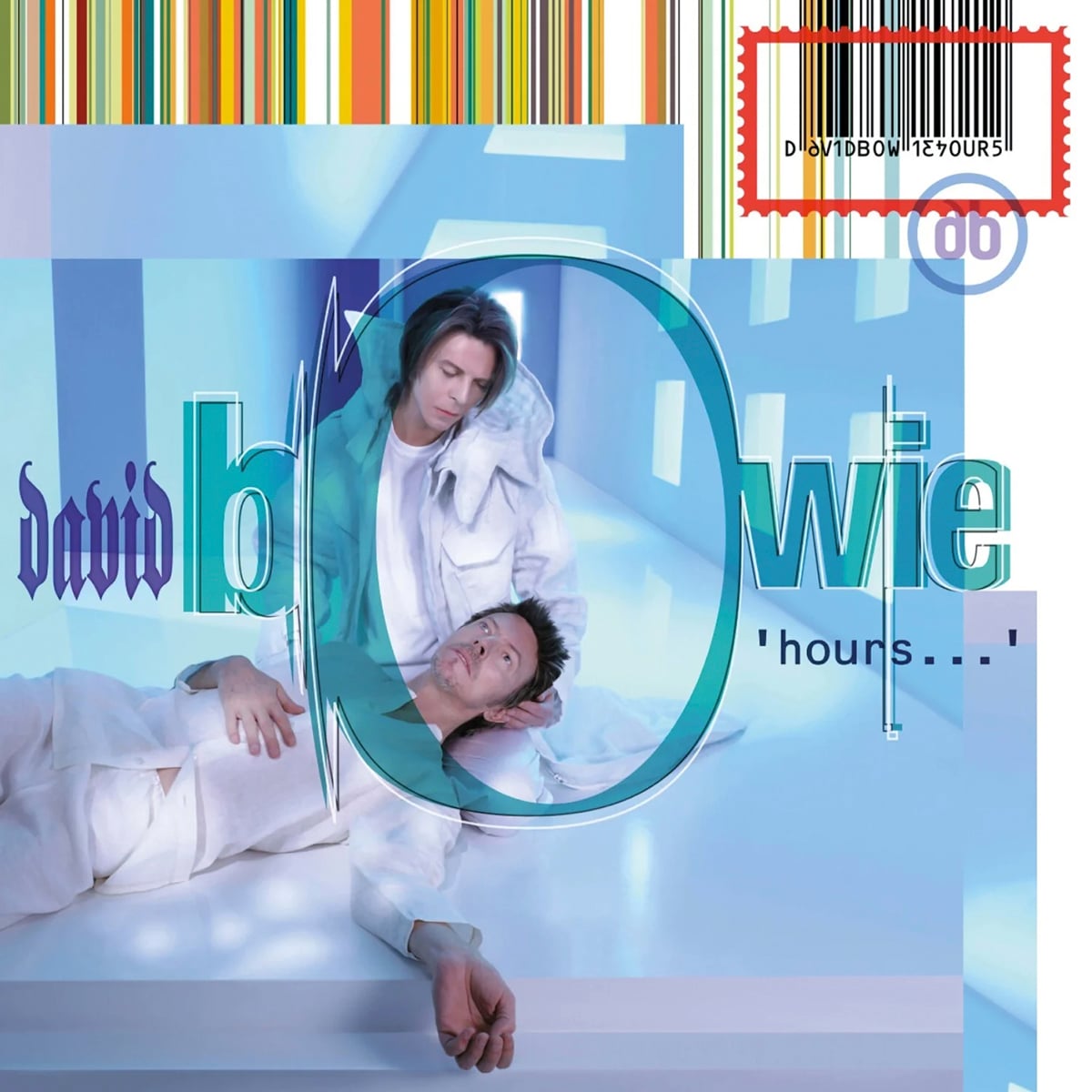
There always has to be one. There had to be the least favourite David Bowie album, and, for us, it has to be his 1999 effort Hours. It felt an applicable title after listening. It rattles on for endless eternities, looping the same recurring question: Garage music, David? What the hell were you thinking? The record feels largely laboured sat alongside some of his other LPs, and the fellow at the pub saying it’s actually worth a re-listen is clutching.
The most brilliant thing about this album is probably the artwork, which shows a digitally rendered younger version of the Starman cradling his older self. It is very effectively terrifying, and an apt warning about the contents therein. It was Bowie’s final piece of ‘90s-centric experimentation and his last album with Reeves Gabrels working alongside him.
‘Reality’ (2003)

One accusation you can level at Bowie’s 2003 effort, Reality, is that it is distinctly un-Bowie-like for one particular reason: it’s a bit middle of the road. There are certainly some good songs, but none worthy of breaking into any true fan’s favourite list. It gives the lacklustre impression of an artist not really sure what to do – Bowie very rarely did, and that was the joy of his output, but here, he just seems to settle, for once, on safety.
In fact, our two favourite songs from the album are the two covers that Bowie provides as he takes on The Modern Lovers’ brilliant song ‘Pablo Picasso’, and the other is his homage to George Harrison’s beauty ‘Try Some, Buy Some’. With the backing of their familiarity, he flourishes; otherwise, the album is somewhat forgettable – the inverse of his signature style.
‘David Bowie’ (1967)

It is all too easy to dismiss David Bowie’s self-titled debut. The album is largely a piece of novelty Baroque pop that is only remarkable because it is his first. However, there are a few moments of goofy-smiling pleasure, which bumps it up the list. Self-evident among the whimsy is the originality that the world would soon come to love, and the drive of an artist who always dared to be different, but endeavoured to be endearing.
A 19-year-old Bowie is clearly without much focus, and the album is a serious mess because of it, but it does still have that certain something that lets you know it’s a landmark LP. Shortly after releasing this album, Bowie would be given a rare acetate recording of The Velvet Underground, his love of New York street iconography would begin, and the kindling of the explosion of creativity that awaited was concocted in his feverish mind.
‘Never Let Me Down’ (1987)
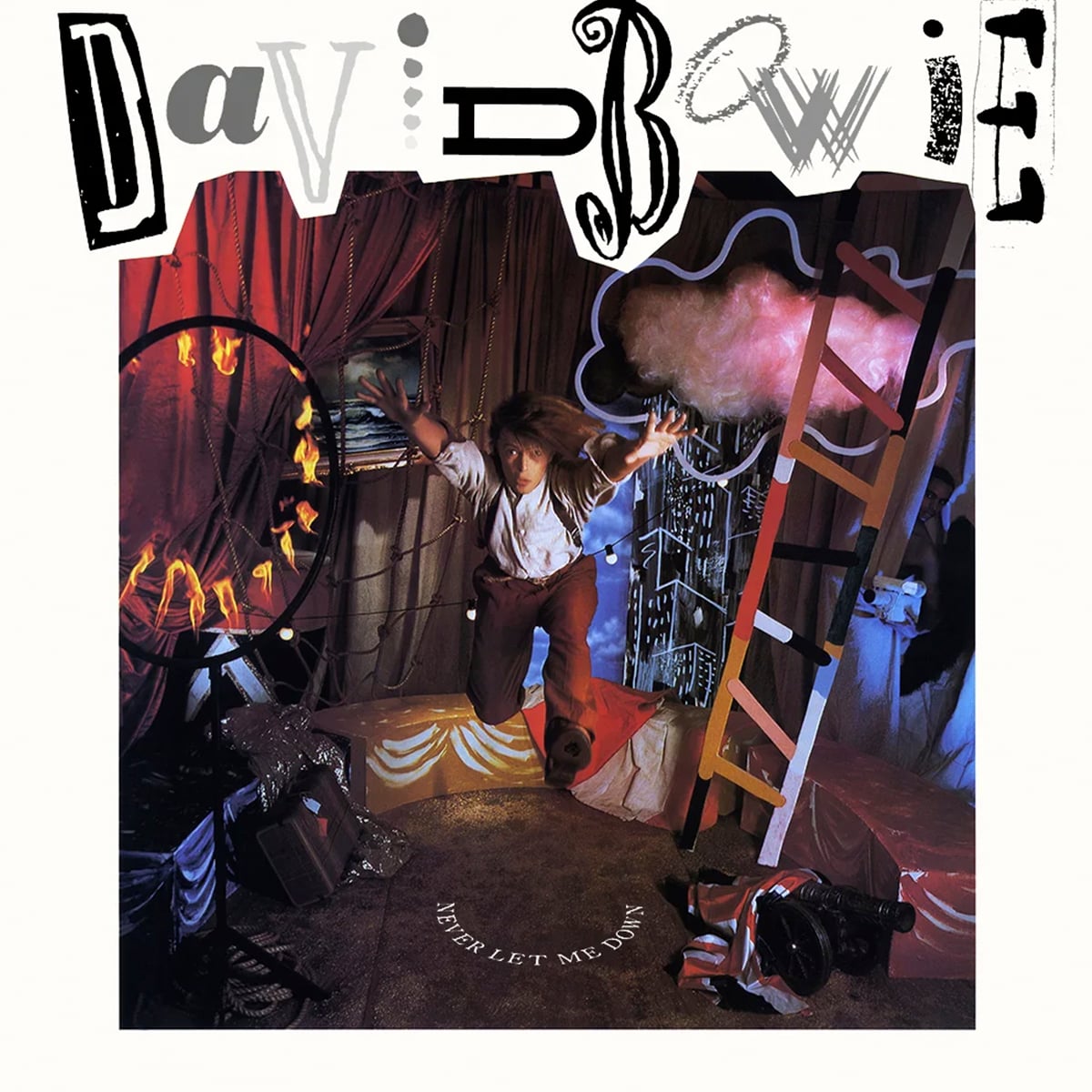
The end of the ‘80s was not a good time for David Bowie, and he knew it. As the wild success of Let’s Dance once again put him on top of the pop pile, he eventually became disillusioned with the shallow nature of the music business, but not before he released Never Let Me Down – the record he said he regretted more than any other.
With the album, which is perhaps the only one in his discography that is unanimously disliked, Bowie created a record which paid tribute to the sounds of 1950s musicals. He succeeded on that front. But did anyone want that? That’s surely taking ‘not playing to the gallery’ to a hoist pertarding extreme. The LP lacks the panache, poise and even passion of a usual Bowie album and falls down the list because of it.
‘Earthling’ (1997)
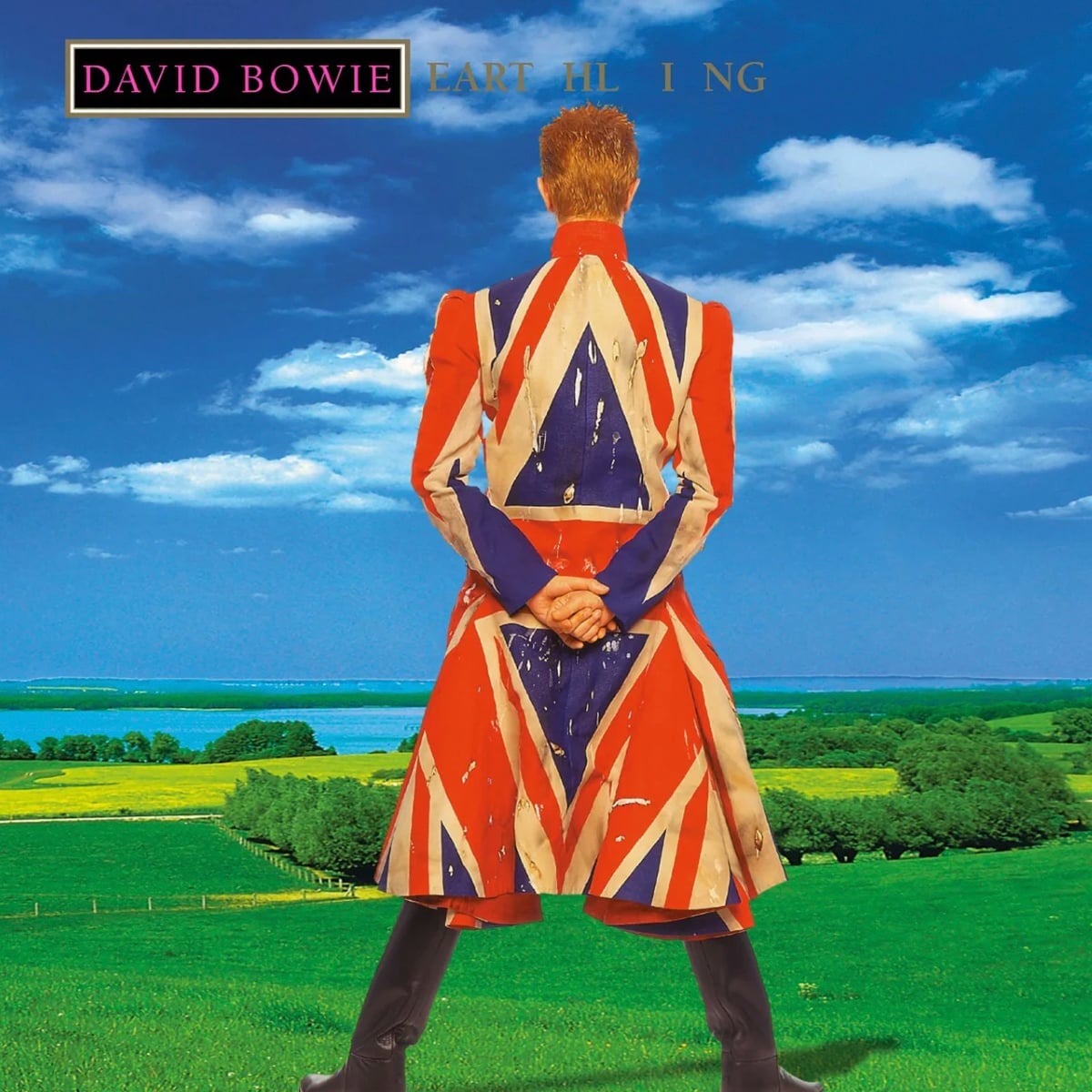
The late ‘90s represented another lull for the Starman. But there are a few foolhardy folks out there who still claim that Earthling has something to offer for the most ardent fans. However, while the album may work as a stunning piece of impulsive art – Bowie went into the studio to write and record the album within just two and a half weeks – a further few weeks of refinement might have been needed.
As the singer tries a little too hard to become relevant in a fast-changing decade, listening back now, the album feels far hackier than it ever did. ‘I’m Afraid of Americans’ might be one of Bowie’s best songs from this period, but the rest of the record is frustratingly scattered. As an art performance piece, it is certainly creditable, as a record, it is left wanting.
‘Black Tie White Noise’ (1993)
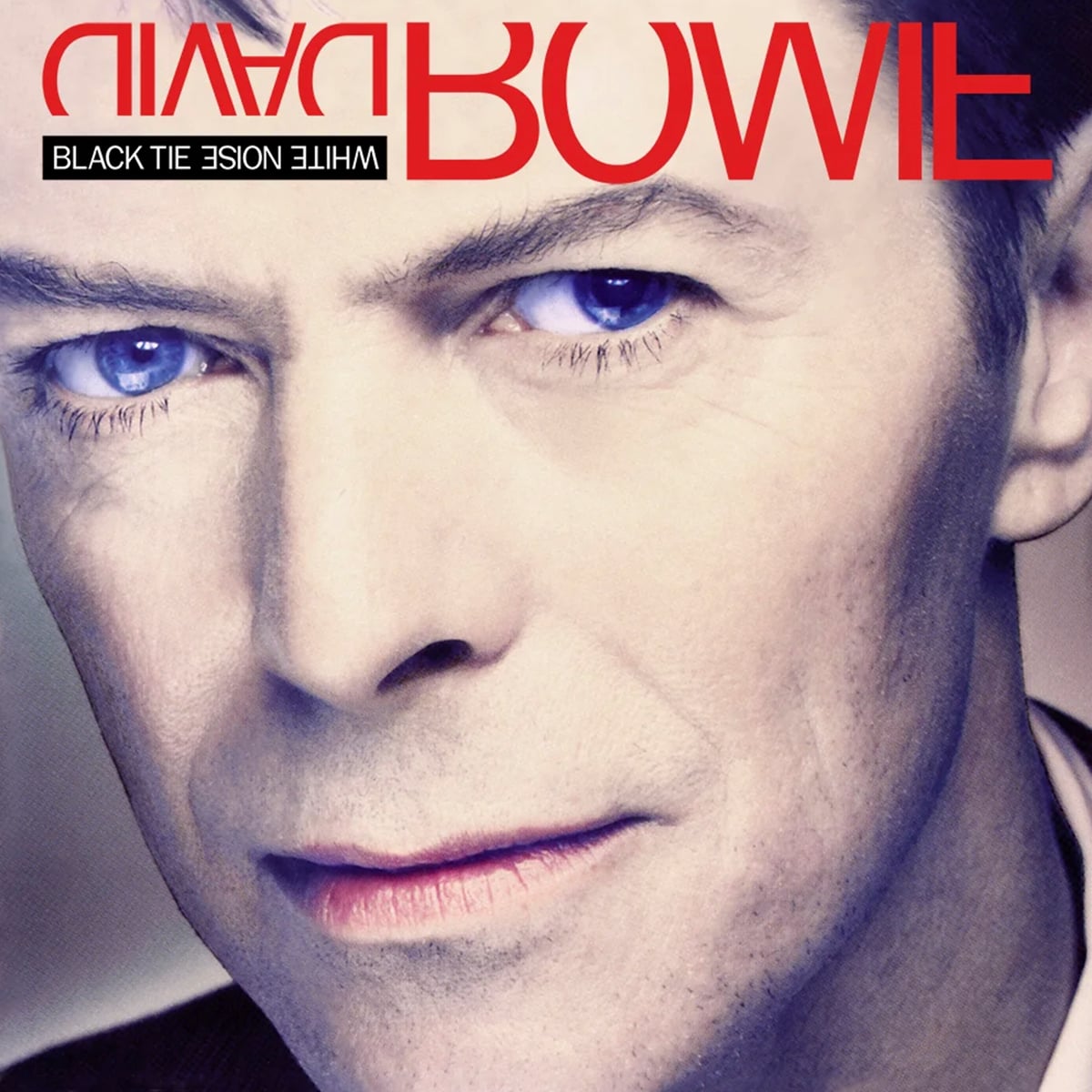
If you needed confirmation of how lost in the pop mire Bowie and his identity became during the late ‘80s, then you need only look back at Black Tie White Noise. It might have been hailed as his comeback album, but it was still haunted by what had come before. It was the first record that saw Bowie back out on his own without Tin Machine, but it didn’t do much to reaffirm him as a maestro.
The title track sees Bowie try to use his position of power for good as he attempts to tackle the fever-pitch race relations of the period that had surrounded America since the LA riots. But while much of Bowie’s work is able to cut through these moments, this album falls a little flat. Bowie “wanted to experiment”, and that much is clear, but he failed to achieve much coherence
‘Pin Ups’ (1973)
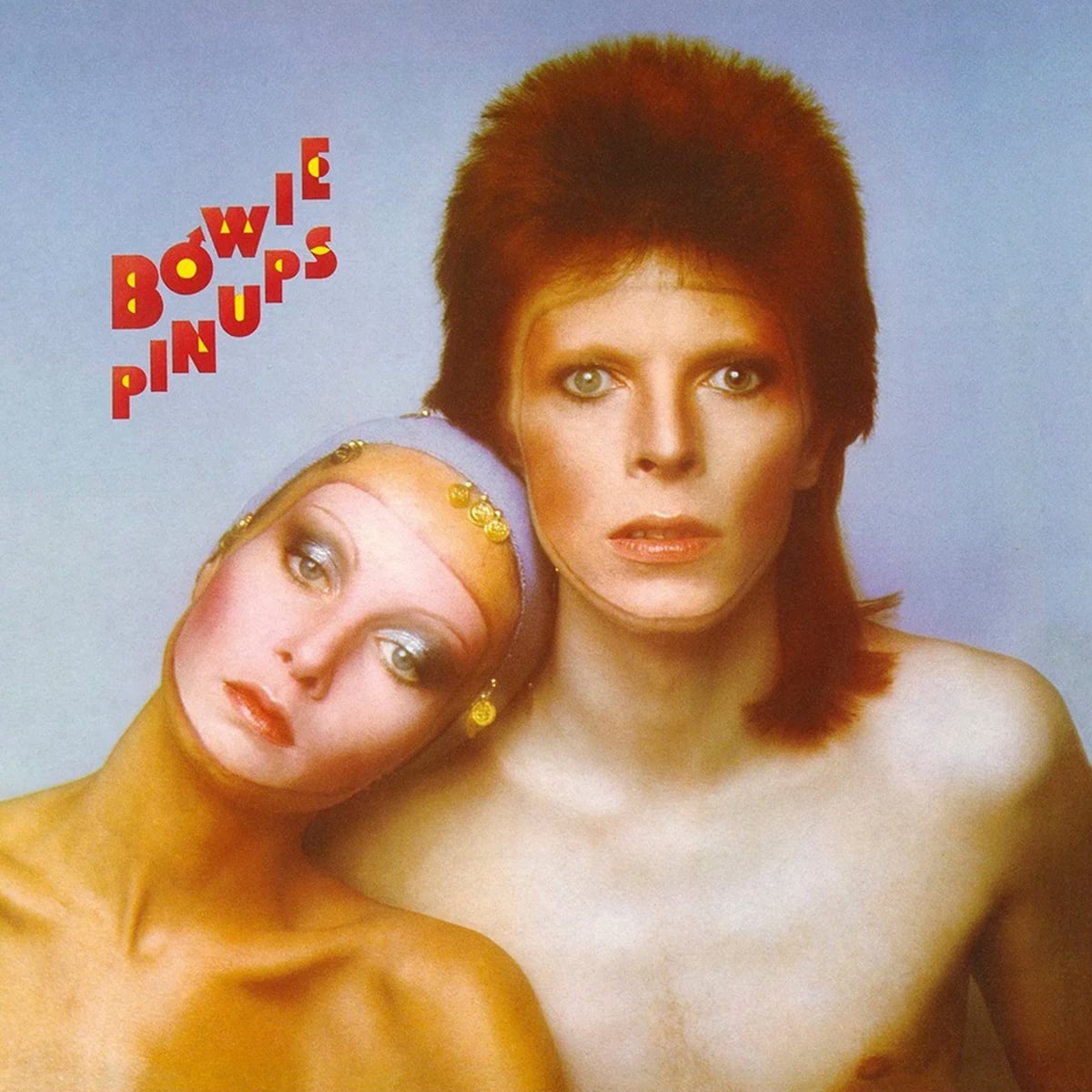
As Ziggy Stardust was quickly being put on the same mantel of pop icons like Superman and other creatures from outer space, the flame-haired alien decided to pay homage to those living on Terra Firma, with a collection of covers of Bowie’s own heroes. In its own way, it was a declaration of humility by a bombastic star, presenting an exhilarating paradox.
It sees the singer take on songs from The Who, The Kinks and so many more. Bowie is in a fully realised creative flow here, and that means that some of the songs are crackers, only really hamstrung by a touch of excitable over-production. There’s still plenty of joy to be had out of putting this one in your record collection, perhaps most of all because of the classic artwork featuring Bowie and Twiggy, but covering others was never really his remit.
‘Tin Machine II’ (1991)
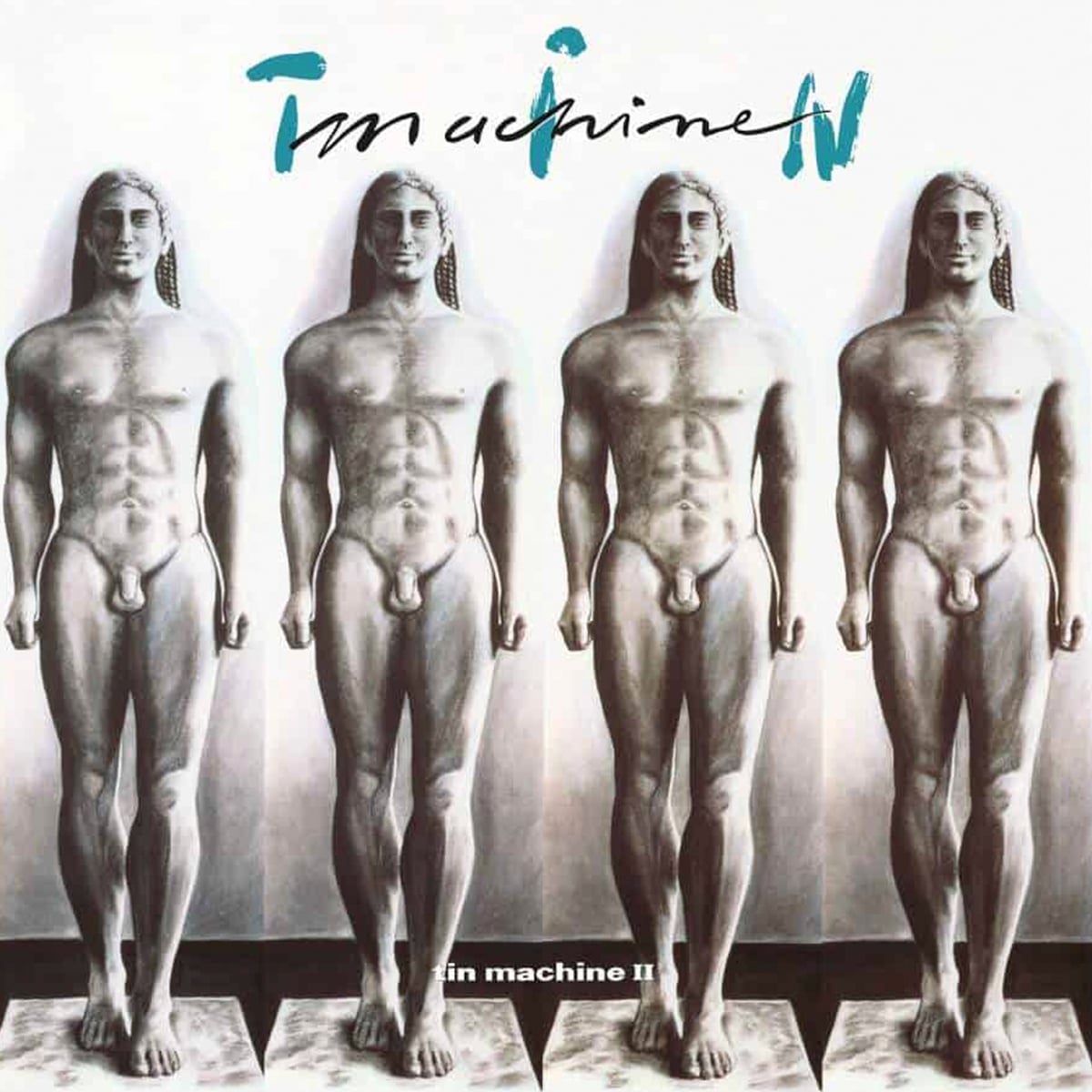
There was a big debate in the office about whether any of Tin Machine’s albums should be included. The band provided Bowie with a creative lifeline during the early nineties and, because of that, we think it only adds to his journey. The band’s sophomore record still kept the industrialised edge of the band’s debut, but this one is a little more lacking in the final product.
If you ever wanted to hear what an artist in transition sounds like, then you won’t get a clearer signal than this. That pretty much says it all. “I had to kickstart my engine again in music,” he said of the Tin Machine project. For that much, we can be thankful, but with their second album, you can sense him wanting to make a left turn.
‘Tonight’ (1984)
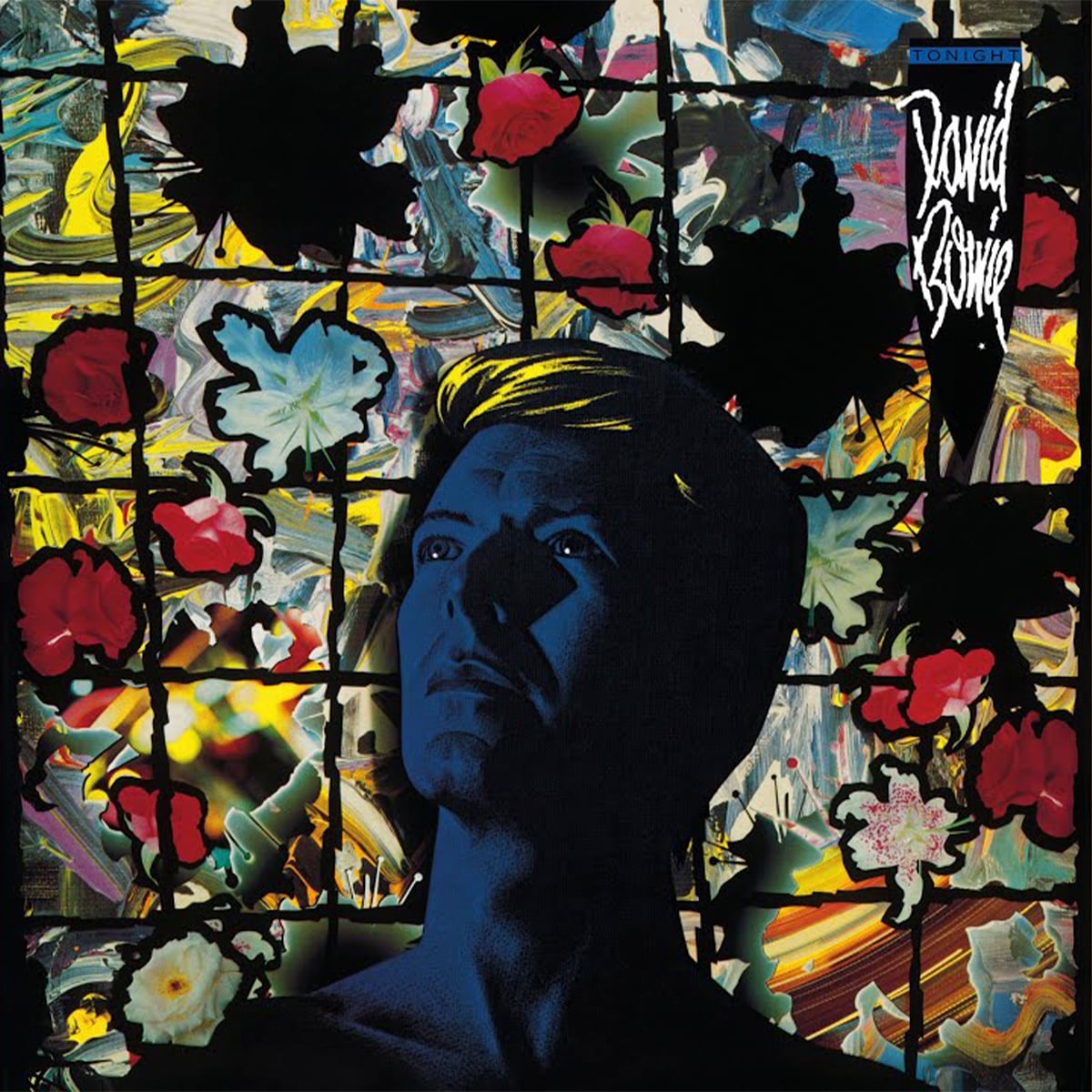
After the huge success of 1983’s Let’s Dance, Bowie didn’t have many places to go forward. The LP had been such a smash that Bowie neglected to jump in on songwriting too quickly and instead, provided a record packed with covers. This time, he gets quirky and curious with them, making for an interesting retrospective listen, but it isn’t one you’ll often return to.
He takes on some of Iggy Pop’s songs with a helping hand from his shirtless friends. And he also provides one of the finest Beach Boys covers of all time. His rendition of the song ‘God Only Knows’ is one of the definitive covers of the California band. That alone showcases his confidence at this point, and while it might be more of an oddity than a vintage cut, it is, nevertheless, brimming with a certain glitzy appeal.
‘Heathen’ (2002)
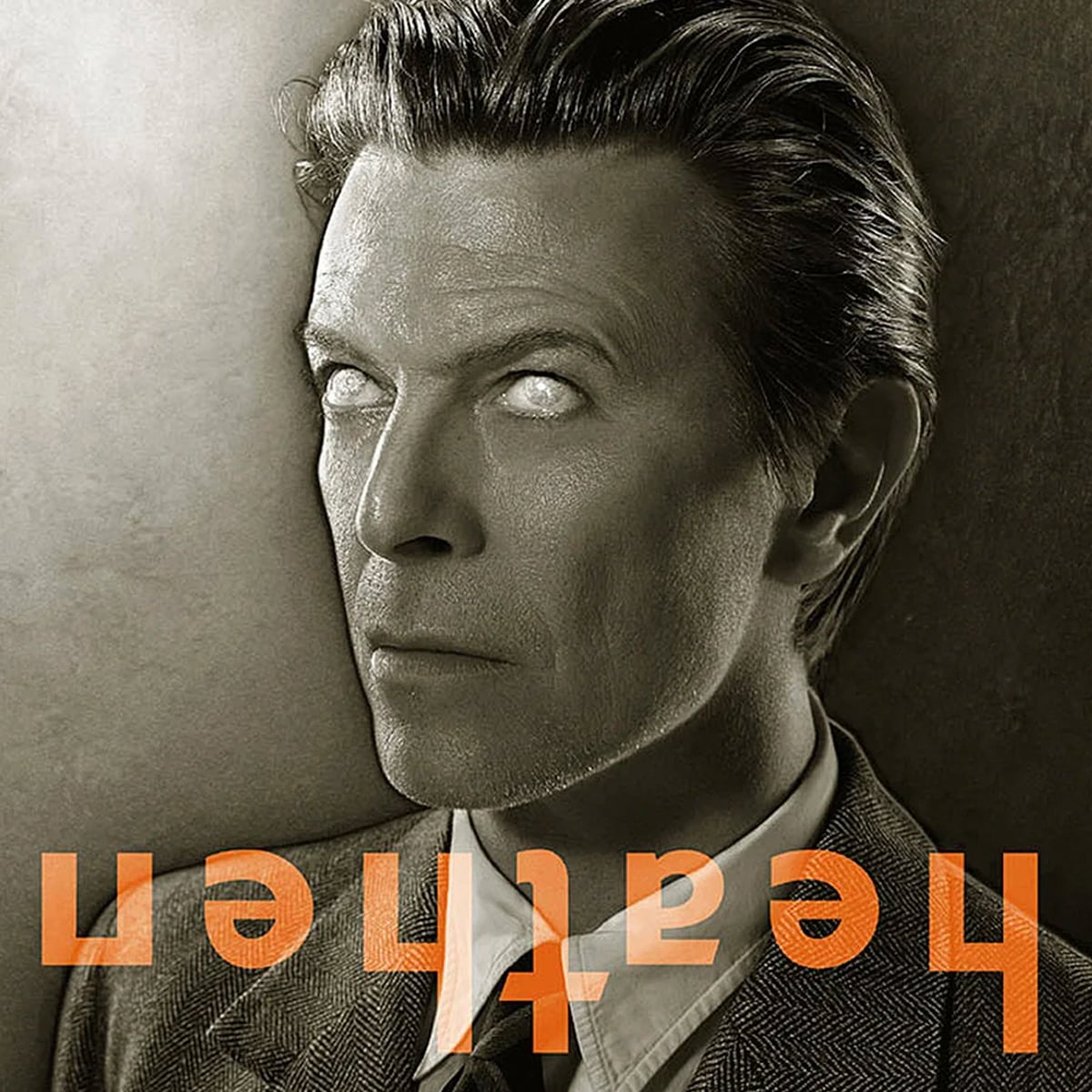
Hours… saw Bowie cast outside of his usual arena of pop provocateur role, but he returned with a bang on Heathen. The album is full of some original gems like ‘Afraid’, but the real moments of brilliance come in the covers, particularly his crunching rendition of Neil Young‘s ‘I’ve Been Waiting For You’.
The best bit about the album, however, is just how relaxed Bowie is. He’s back to his best and about to start a new millennium as he did every year, with the intent to keep on making the most progressive music around. Heathen is flush with experimentation, but it is a record that acts its age. His attempts to match the new stars of the ‘90s are eschewed in favour of something more organic.
‘Tin Machine’ (1989)
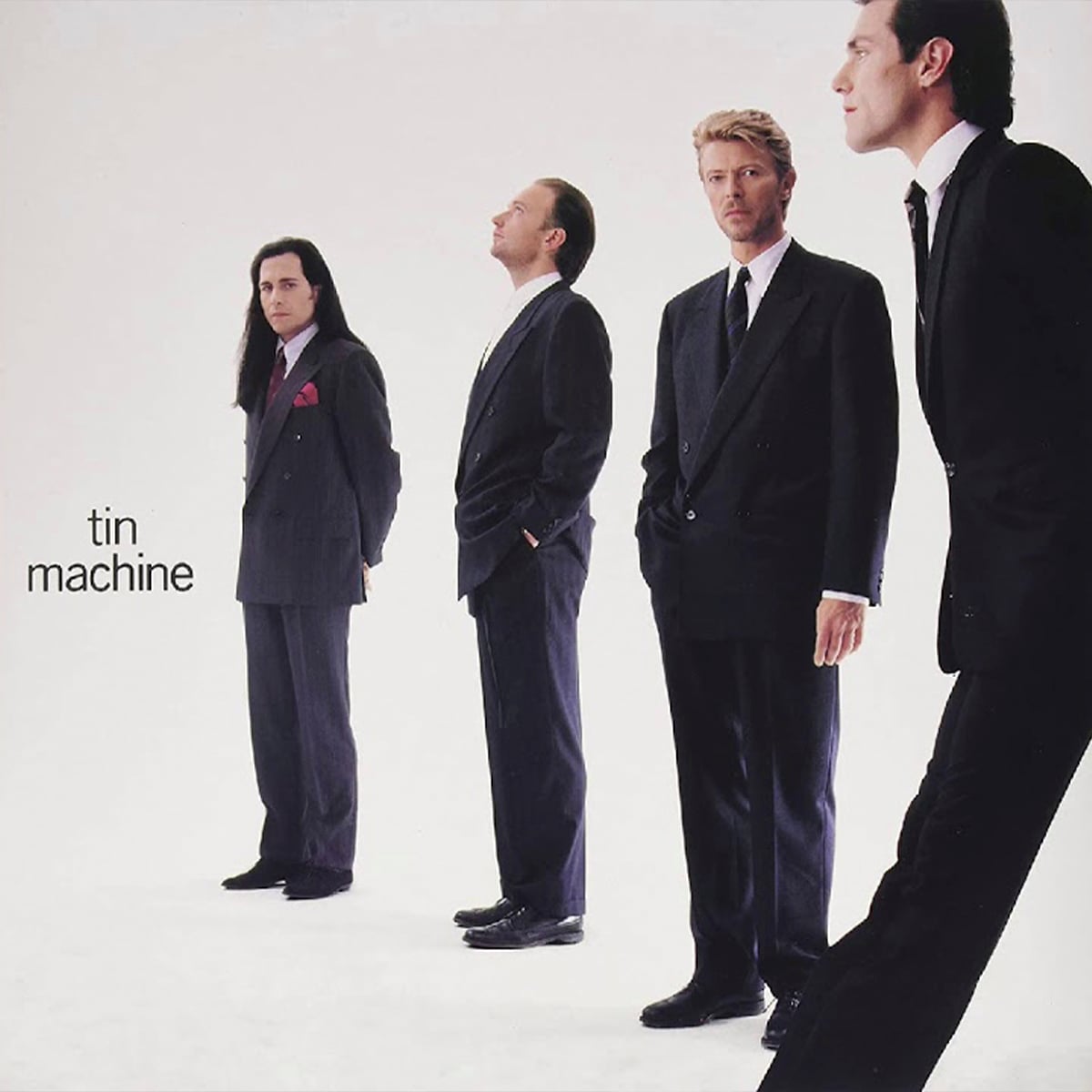
Though not a straight-David Bowie album, you cannot discount the huge part of Bowie’s career that Tin Machine played into. After the soul-draining commercial success of the ‘80s, capped off by a mammoth Glass Spider Tour which only ever paddled in the shallows of pop excess, Bowie needed to get out of the limelight.
One way of doing that was to hide within a band. Bowie had always kept his favourite musicians near him for creative periods and, in effect, therefore, worked within bands. But this time, he was even hiding his name in theirs. After inspiration from the no-wave sounds of New York permeated his lexicon in the ’90s, Bowie’s Tin Machine began creating an industrialised experimental sound.
Songs like ‘I Can’t Read’ and ‘Sacrifice Yourself’ are stand-out moments, and while the record-as-you-go method of making an album leaves some production polish to be desired, the LP is deeply attached to Bowie’s progression as an artist.
‘Outside’ (1995)
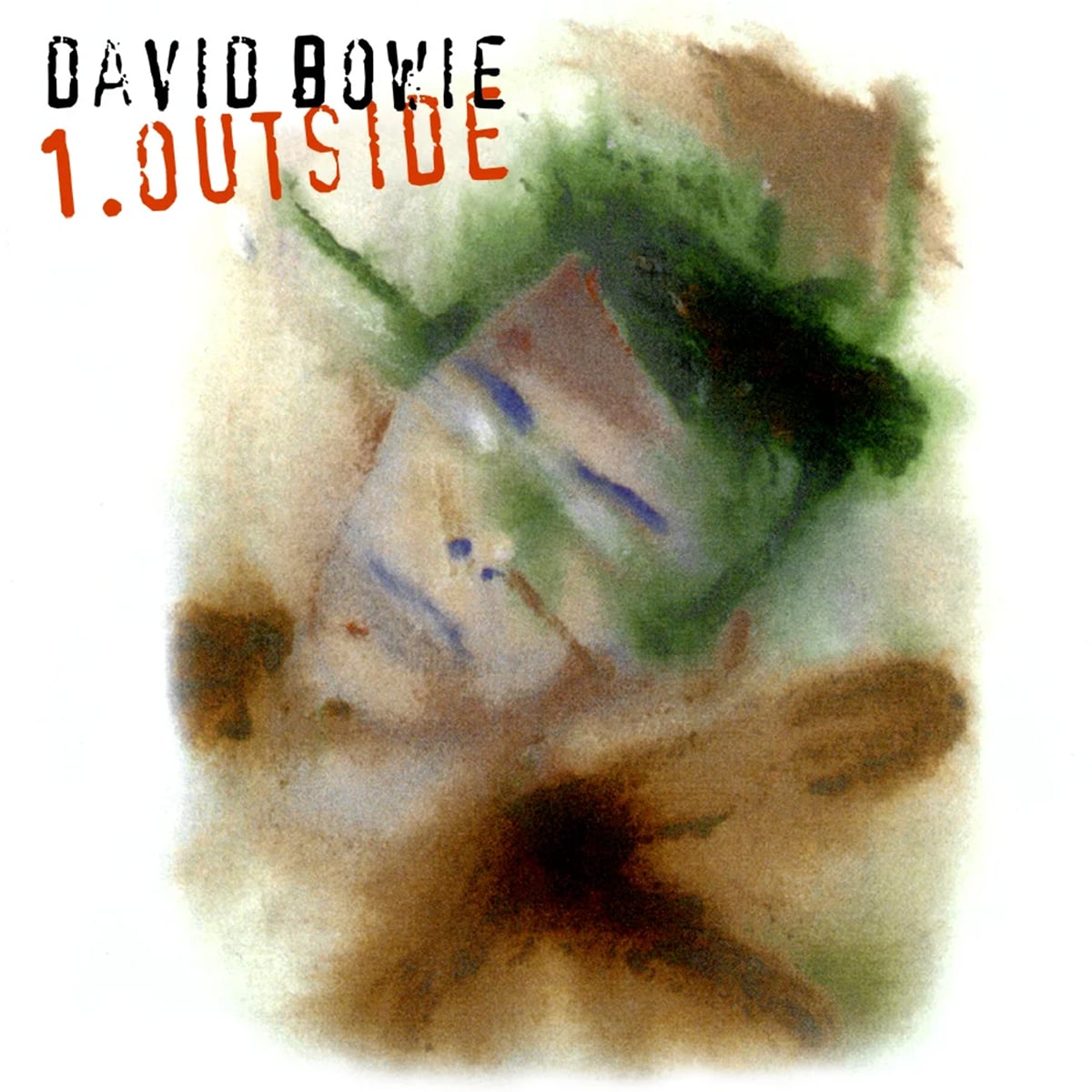
By 1995, Bowie was looking to reignite his creative fires. After Tin Machine had given way to a relatively disappointing album in Black Tie White Noise, Bowie once again reconnected with Brian Eno. With Eno in tow, it allowed Bowie to continue his pursuit of fragmented narratives and sonic exploration.
But following an extended stretch of artistic disillusionment in general, Bowie also got back to the roots of why he loved creating things in the first place. To explore this, he visited a unique psychological hospital in Switzerland and spent some time with the patients. You can sense the inspiration that he felt at the time on Outside, and the interesting backstory further imbues the record with intrigue – embodying the external factors beyond the music that made millions fall in love with him.
‘Space Oddity’ (1969)
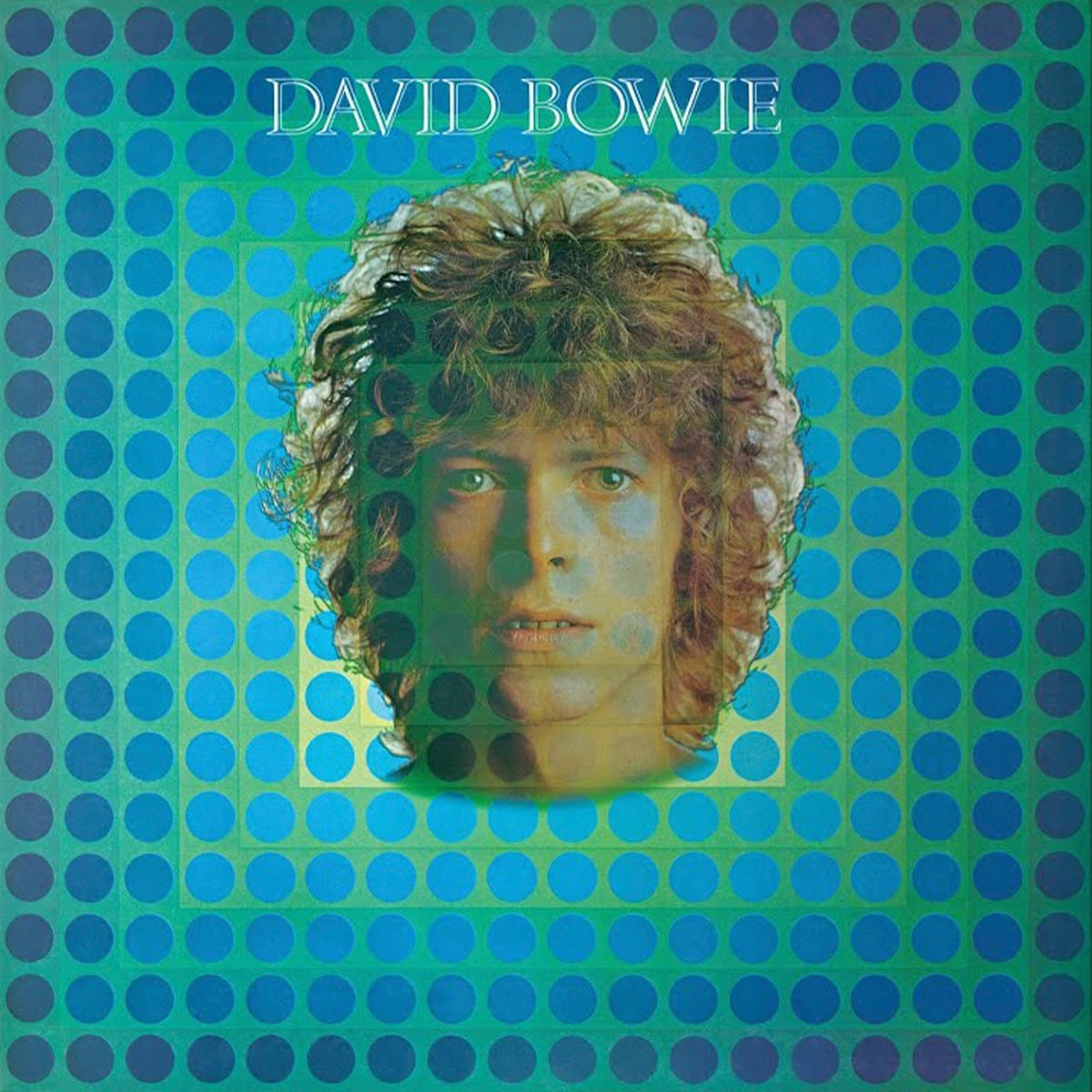
David Bowie’s sophomore album, released in 1969 on the wave of his incredible single ‘Space Oddity’, has had a few names over the years, but to save time and confusion, we’ll take the stand-out track as the album’s title. Whatever you call it, this is the album that launched Bowie and gave him the confidence to continue.
Much of that can be attributed to the aforementioned single, but the album still has some notable moments outside of this, especially ‘Memory of a Free Festival’, which is a genuine winner and highlights Bowie’s ability to tell a story. And ‘Letter to Hermione’ also exhibited his ability to write a literary folk ditty up there with the best of them.
‘The Next Day’ (2013)
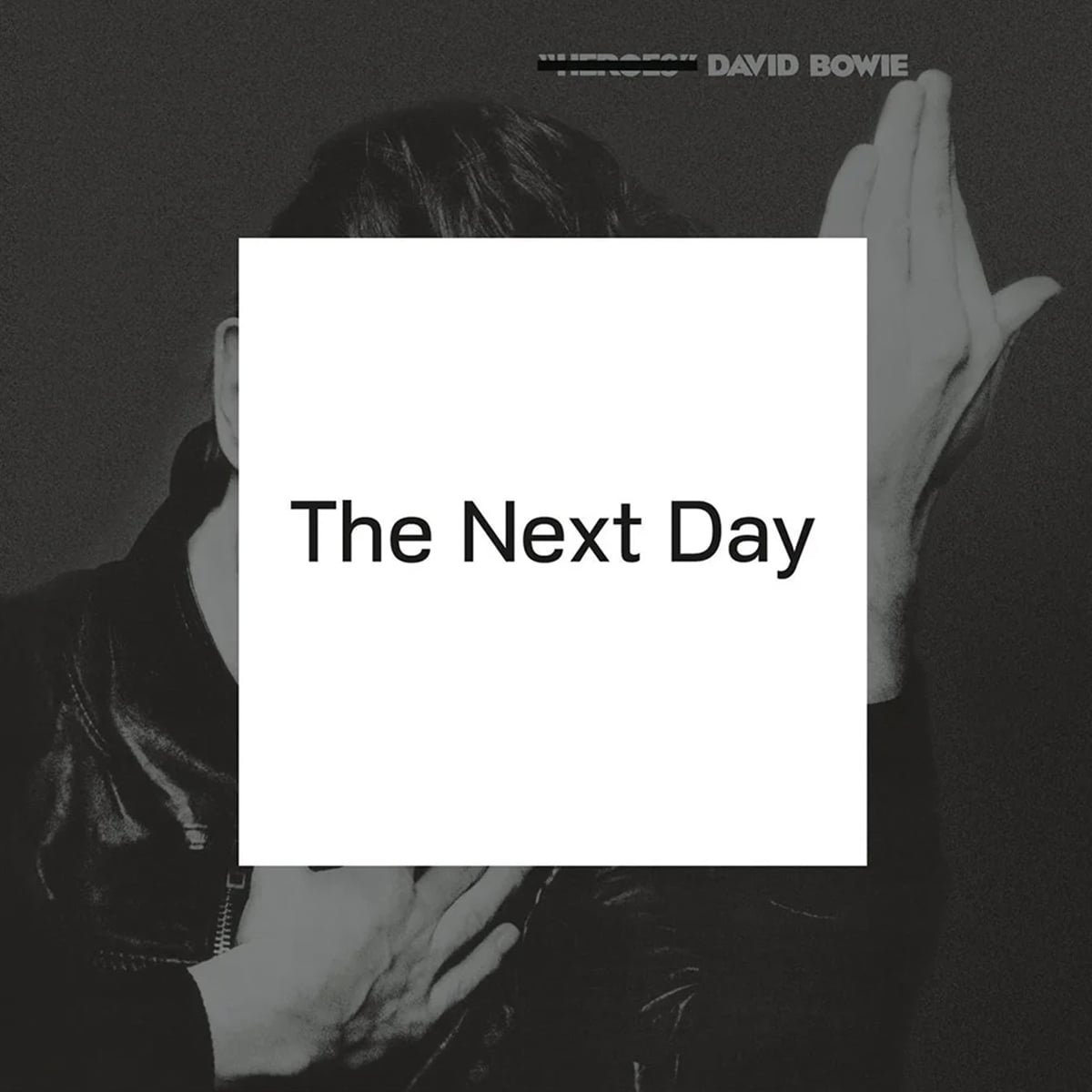
Most people had expected David Bowie to walk off into the sunset with a glittering career behind him before he shared his new album, The Next Day, in 2013. However, we’re so lucky he didn’t, as the LP acts as one of Bowie’s finer moments in the studio and also highlighted his timeless talent.
There may have been murmurs in the music industry that Bowie was finished with, but, on this album, he proved that he had planned a gigantic swansong. Bowie reflects on his own path to glory in this LP as he dabbles with celebrity, love and mortality all on the same disc. It’s jazziness brings an extreme elegance, but it’s evident he never lost his knack for a simple pop chorus either.
‘Diamond Dogs’ (1974)
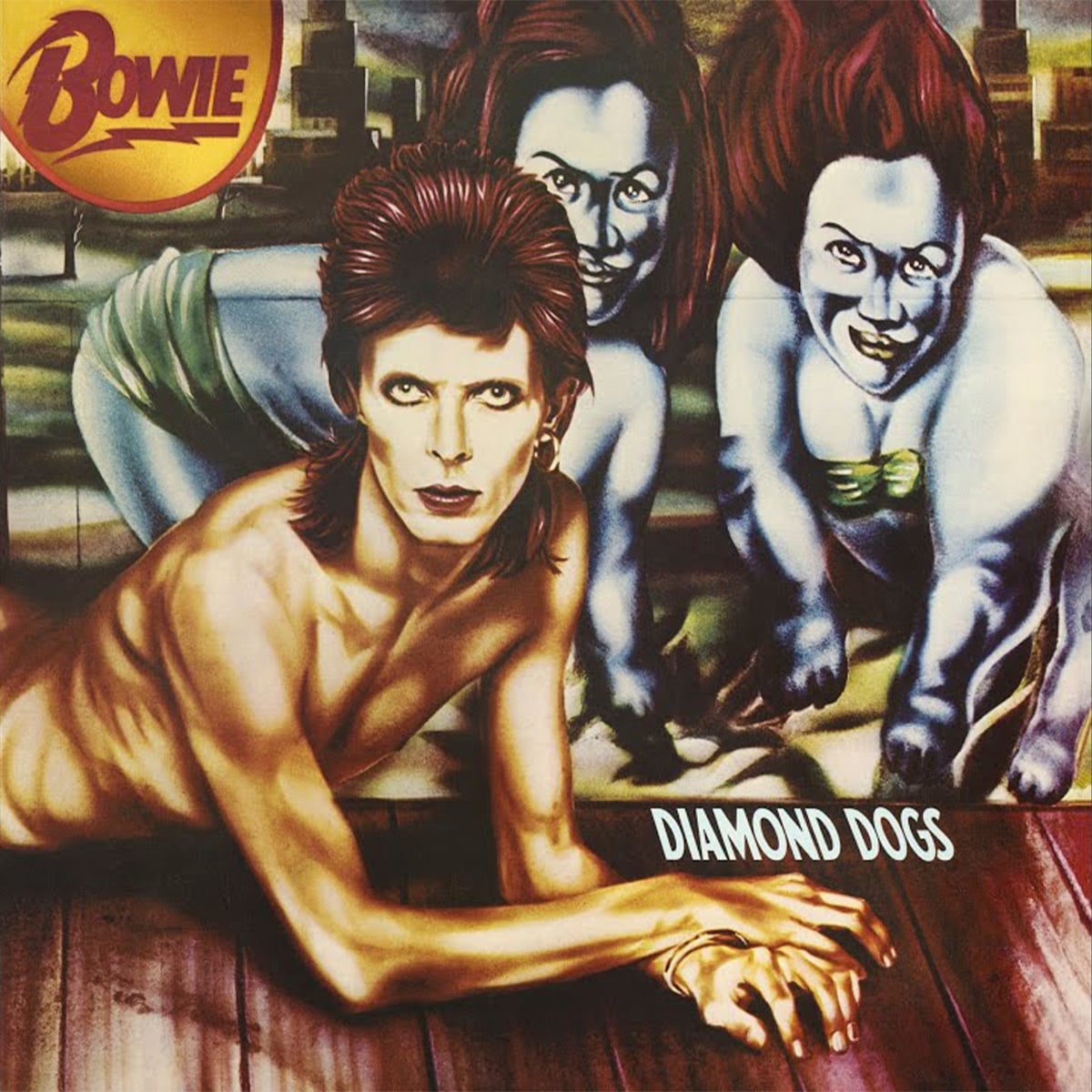
Diamond Dogs from 1974 may well be most famous for its lewd and crude artwork, a fact that saw it banned by many record stores. Bowie invokes a loose persona of Halloween Jack as he takes the dark glamour of the ‘70s and adds a little boogie to it. All the while, never losing sight of the stark Orwellian philosophy that makes Diamond Dogs endlessly studiable.
This is the first taste of Bowie’s “plastic soul” styling, though it is not quite at full maturation. Perhaps he attempted to tie too many strands with this enormously ambitious effort, but that’s what Bowie was all about. Brimming with information, great writing, shock-factor, and thrilling mystique in the often strange yet glossy music, there’s still hardly anything in the world like Diamond Dogs.
‘Young Americans’ (1975)
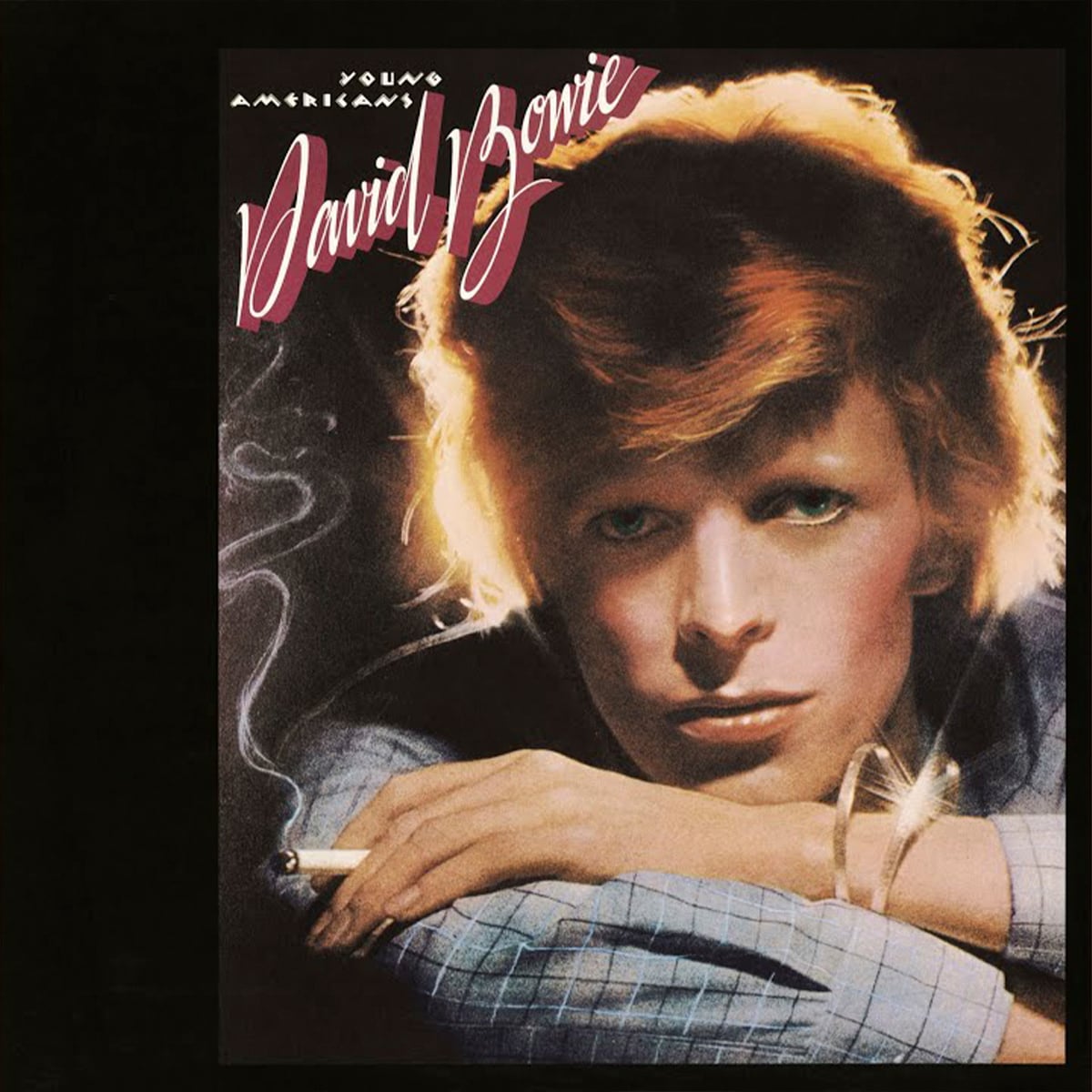
With Ziggy hanging from the rafters in Hammersmith, Bowie was left to ponder a new avenue for his wild, creative side. It was a side of his personality that ensured he tried a sample of almost everything along his career path. Young Americans was the moment Bowie went soul and delivered a boogie-woogie bonanza.
While Bowie himself coined the term for his album as “plastic soul”, the Starman actually adds far more weight to the record than could’ve been expected. As well as the title track of the record, there is also the John Lennon-collabed middle-finger to celebrity, ‘Fame’, which acts as the lightning rod for our affections. Funky and angry at the same time, Bowie had a habit of summing up the world around him without knowing it.
And with the likes of Luther Vandross in the backing band, the performances on this revisionist, Motown-like masterpiece are also astounding.
‘The Man Who Sold The World’ (1970)
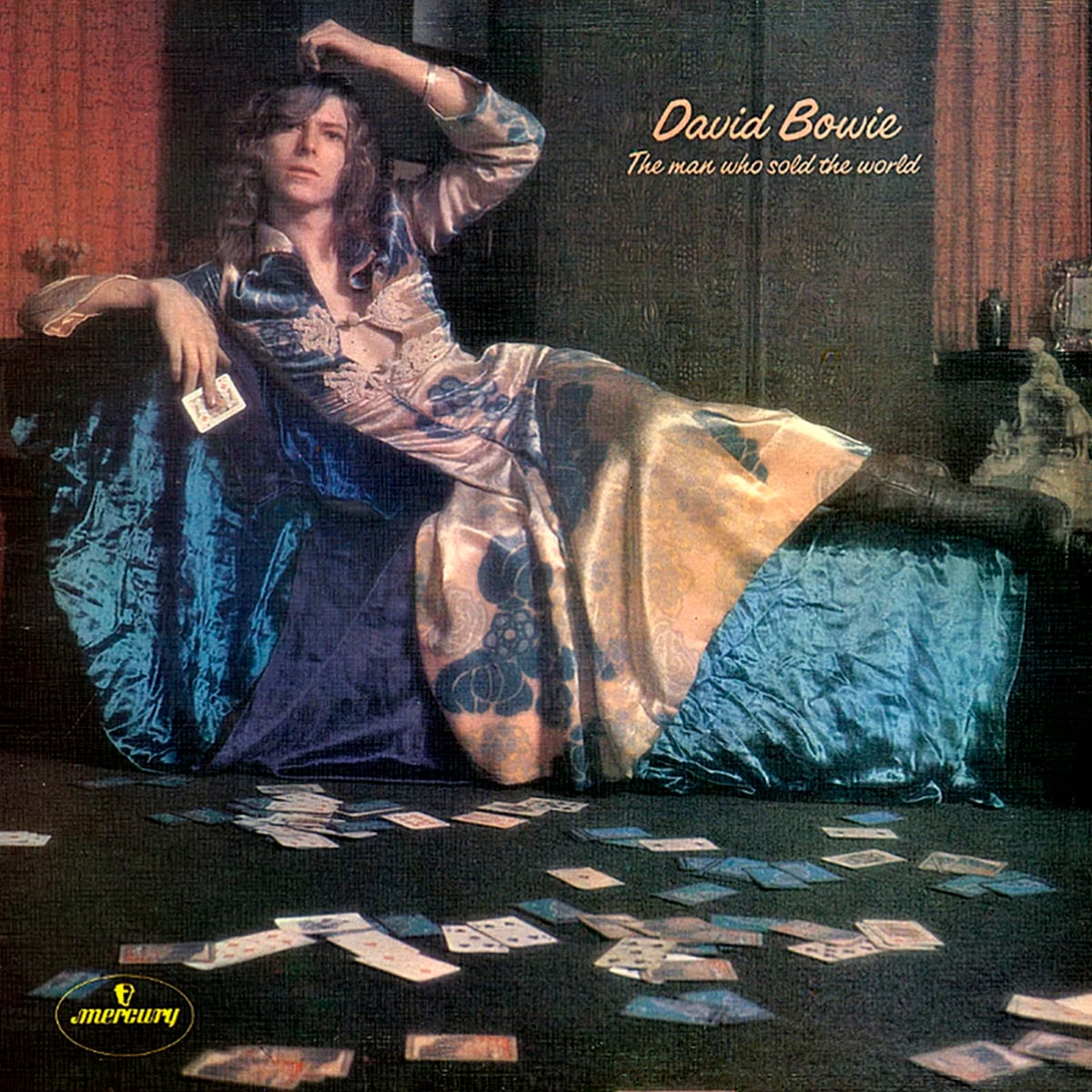
In 1970, Bowie gave up on the idyllic scenarios of folk and instead turned things a little bit moodier. On The Man Who Sold The World, the globe got a taste of the innovative style and panache of a pop star who would dominate the decade ahead. This was the beginning of Bowie as we know him: the first footsteps towards stardom are taken with the knowing thud of the weight of the legacy to come.
It sees Bowie not only provide the world (and Nirvana) with a stunning title track, but it also offered up some other gems, such as ‘All The Madmen’, which sees Bowie open and honest about insanity – something that perpetually underpinned his art. Bedecked in a dress on the cover, it was never going to be a huge hit with the heavy crowd he was angling the record towards, but that joyously epitomises his incessant desire to subvert standards even within niche realms.
‘Lodger’ (1979)
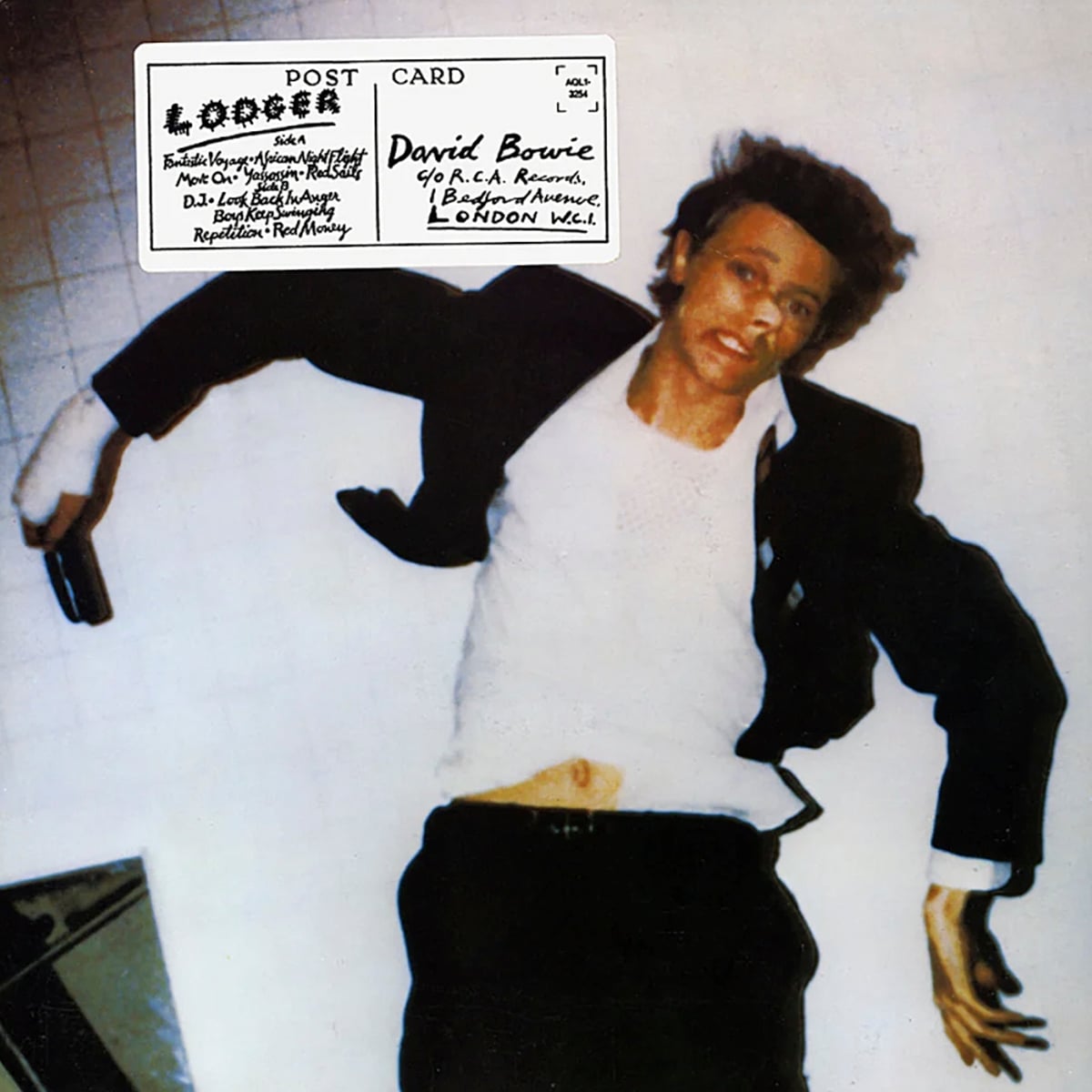
A piece of the fabled Berlin trilogy, Lodger has often been seen as the lowest rung of the German capital run, but that doesn’t mean that Lodger is a bad album, it just so happens that the other two are more coherent masterpieces. All the same, on this record, Bowie continues with the freewheeling and genre-melding process of the previous two and delivers a record in 1979 that is truly timeless.
Involving about every single genre the musical world has ever known, with a particular focus on R&B, Afrobeat and funk, David Bowie and Brian Eno set their creative spirits free on this album. Check out ‘Boys Keep Swinging’ and ‘Look Back In Anger’ for two of Bowie’s finest. These tracks epitomise the album’s unique knack of pairing moodiness, compositional quirks, and poppy hits within the same sweetly schizophrenic song.
‘Scary Monsters and Super Creeps’ (1980)
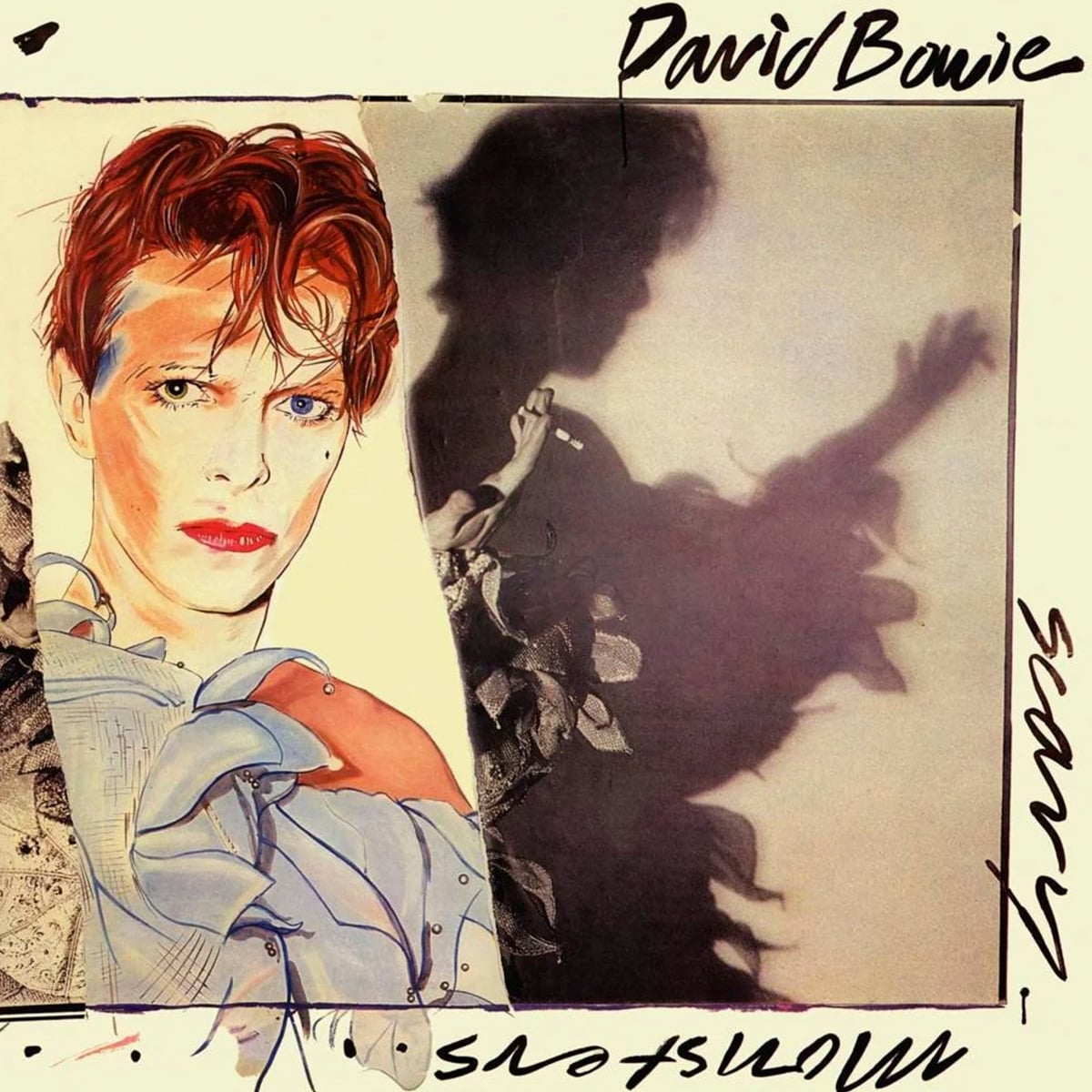
There’s no doubting that David Bowie dominated the ‘70s, and as the decade came to an end, he had one more surprise up his sleeve: his most considered work, Scary Monsters (and Super Creeps). As well as delivering the upcoming decade’s battle cry in ‘Fashion’, he also pokes fun at his own inability to settle.
Writing what he later dubbed a follow-up to ‘Space Oddity’, the clever song, ‘Ashes to Ashes’, sees Bowie not only mock his own voice but his entire career as he puts himself firmly in the crosshairs. It’s one of those albums which, as the stylus trepidatiously trudges through the grooves, slowly begins to creep into your mind. Once it gets in there, it won’t leave. It’s a fearsome record that deserves the acclaim.
Producer Tony Viscnoti calls it their Sgt Pepper because it is one of the only times that they ever spent more than a few weeks honing things in the studio. However, it isn’t just the sound that feels fuller, as Bowie as toys with unreliable narration and other post-modern writing techniques, there are plenty of quirks to the songwriting, too.
‘Let’s Dance’ (1983)
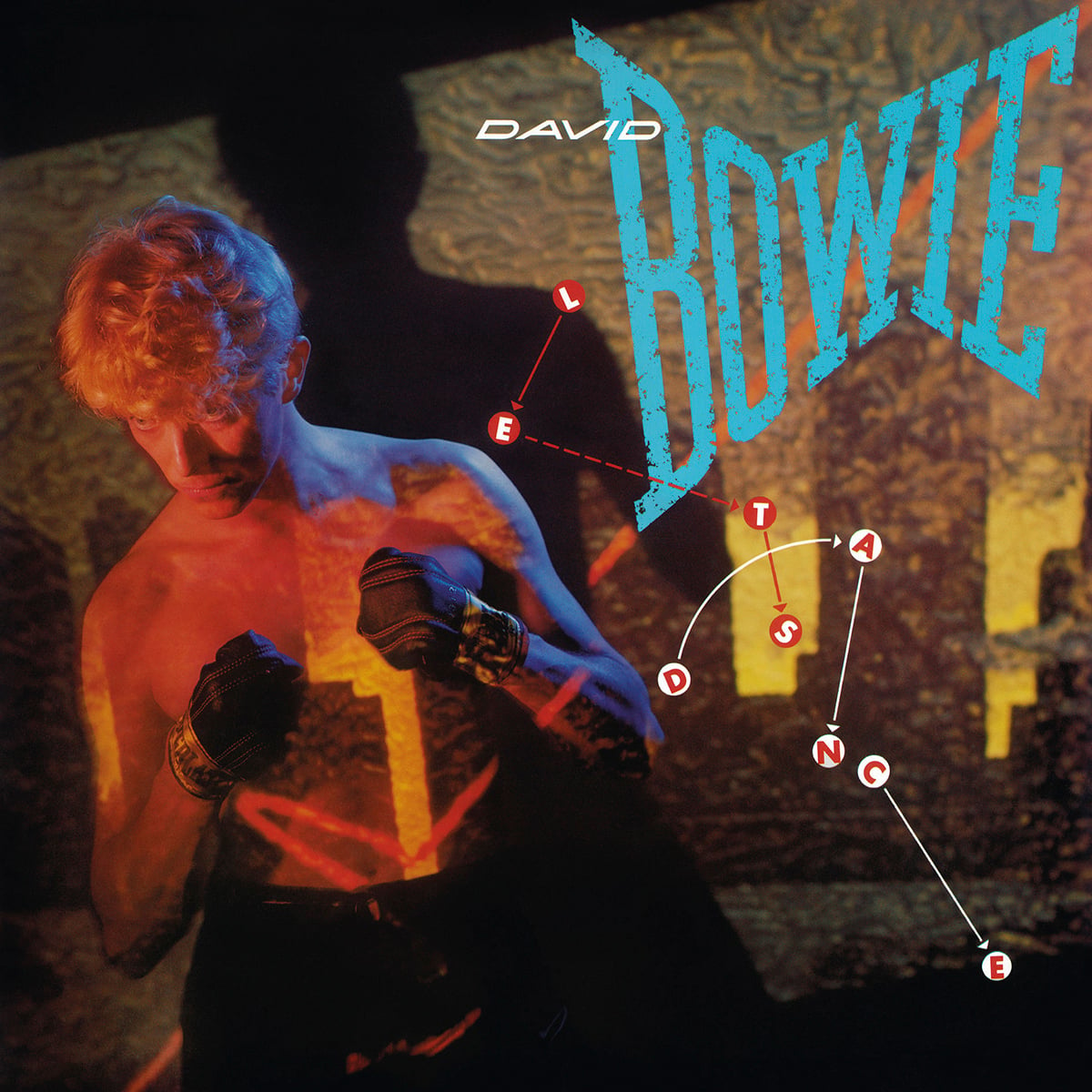
Undoubtedly the biggest pop smash Bowie had in his career, Let’s Dance has a habit of being lambasted by Bowie’s fans. For most diehard supporters, the moment your own favourite artist becomes the world’s favourite artist is a tough thing to swallow. Especially, one who was always willfully positioned outside of the mainstream for the most part.
Of course, you’re happy they’ve found success, but for a moment, they were just your favourite. Pettiness aside, this album is still a bona fide smash. But beyond that, it also showcased Bowie’s vital potential to really make a mark on society. The world is a better place for Let’s Dance and the many fans it enticed into his weirdness.
‘Modern Love’ is up there as one of Bowie’s biggest toe-tappers, and ‘Let’s Dance’ is naturally blessed with that ‘get-up-and-dance’ likeability, but the LP as a whole has an inherent groove that is entirely intoxicating. Stevie Ray Vaughan does a lot to hold this album up alongside Bowie’s shimmering charisma, but truly anyone who doesn’t think this album is a hit should really think again.
‘Station to Station’ (1976)
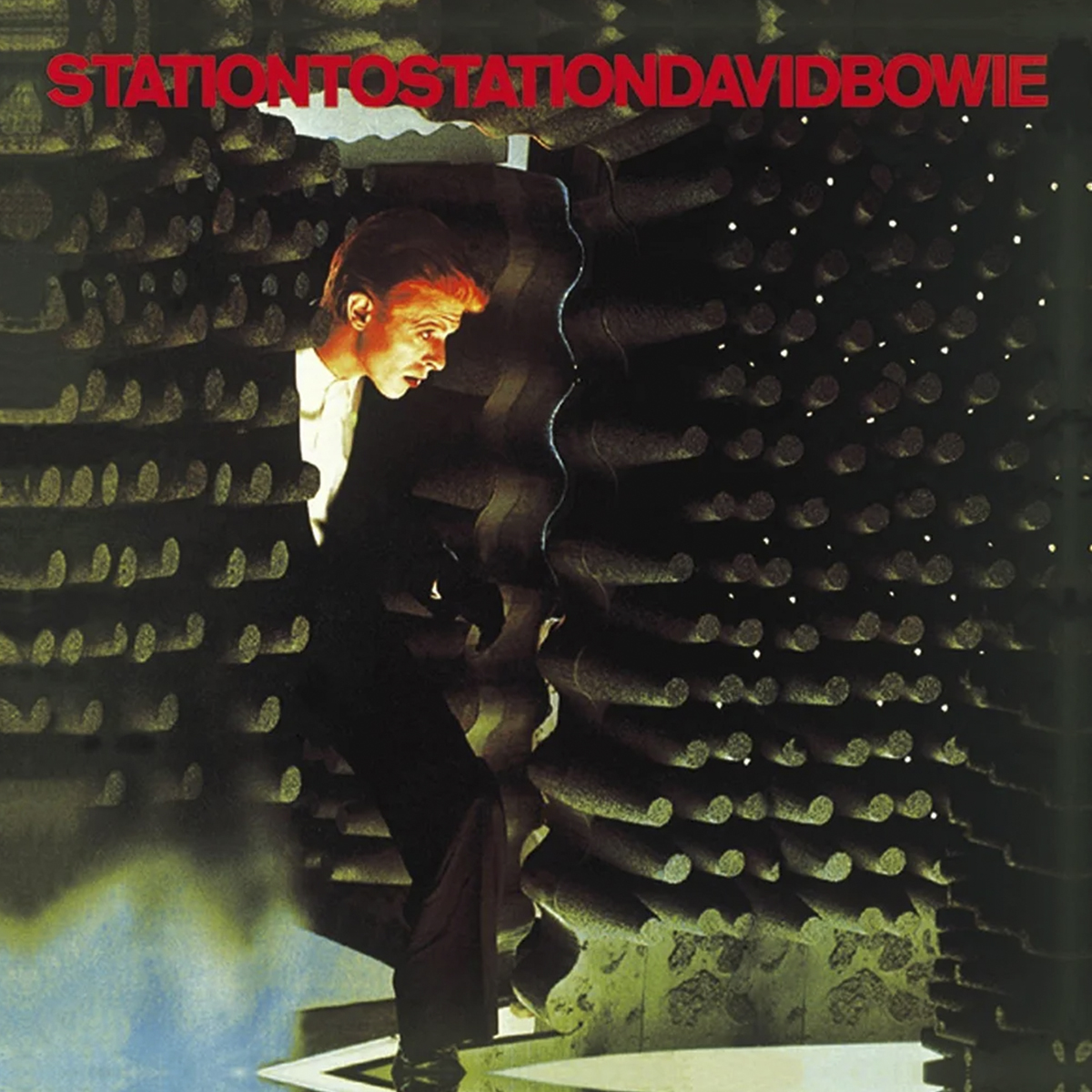
Station to Station arrived at the zenith of Bowie’s career. Though it is often thought of as some of his finest work, it actually arrived during a particularly bad time for Bowie. He had succumbed to his cocaine addiction, and he was growing weaker by the day. In fact, he can barely remember even recording the album.
Much like Bowie had done across his entire career, the Starman would come up trumps, though. The LP, no matter how much he couldn’t remember, stands out as a crystalline image of Bowie’s talent. It sees him effortlessly transition from R&B obsessive to a new, edgy and industrialised sound.
As the Thin White Duke began to appear on the horizon, Bowie’s starkest chapter and direction became ever clearer. Things were about to get a bit avant-garde. He was about to obliterate banality.
‘Aladdin Sane’ (1973)
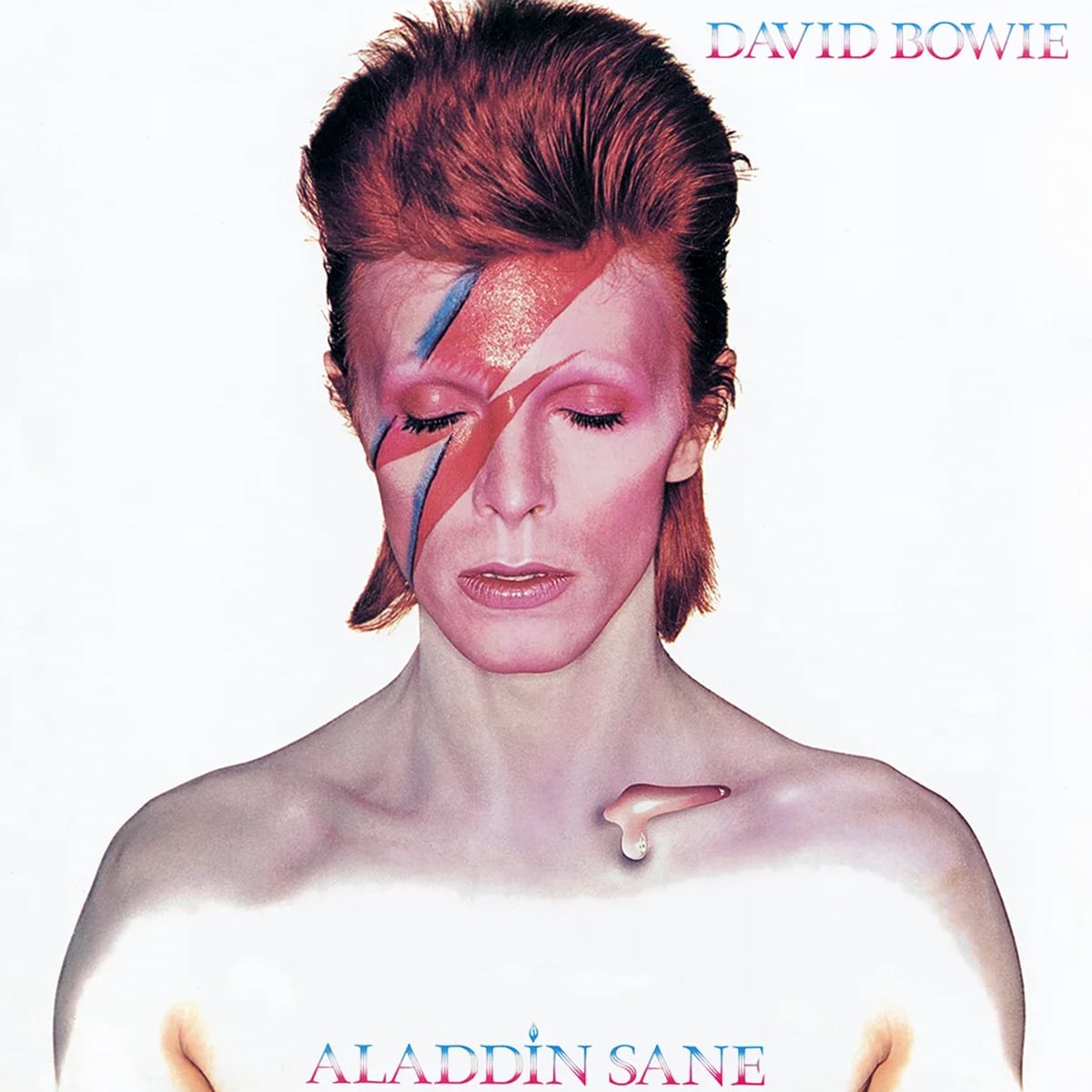
Ziggy Stardust may well have been a creation formed from the molten rock of New York street culture, but it was still a decidedly British affair. However, by the time Bowie had taken Ziggy to the US, he returned with a brand new set of chops for the persona. No longer touched with vulnerability or tenderness to the same degree, with Aladdin Sane, Bowie was getting bolshy.
A rifftastic record filled with some of Mick Ronson’s high points, the deep groove that penetrates the album makes it a classic. While there are special moments like ‘Panic in Detroit’ on the album that signify Bowie’s reignited love affair with America, it’s on ‘The Jean Genie’ where he really lets go.
On Aladdin Sane, we have an artist who has been wholly emboldened. A fearless man ready to glitter his way to the very top. The opulence is sublime, and the chords he conjures are hitherto unheard of. He was writing like nobody ever had.
‘Heroes’ (1977)
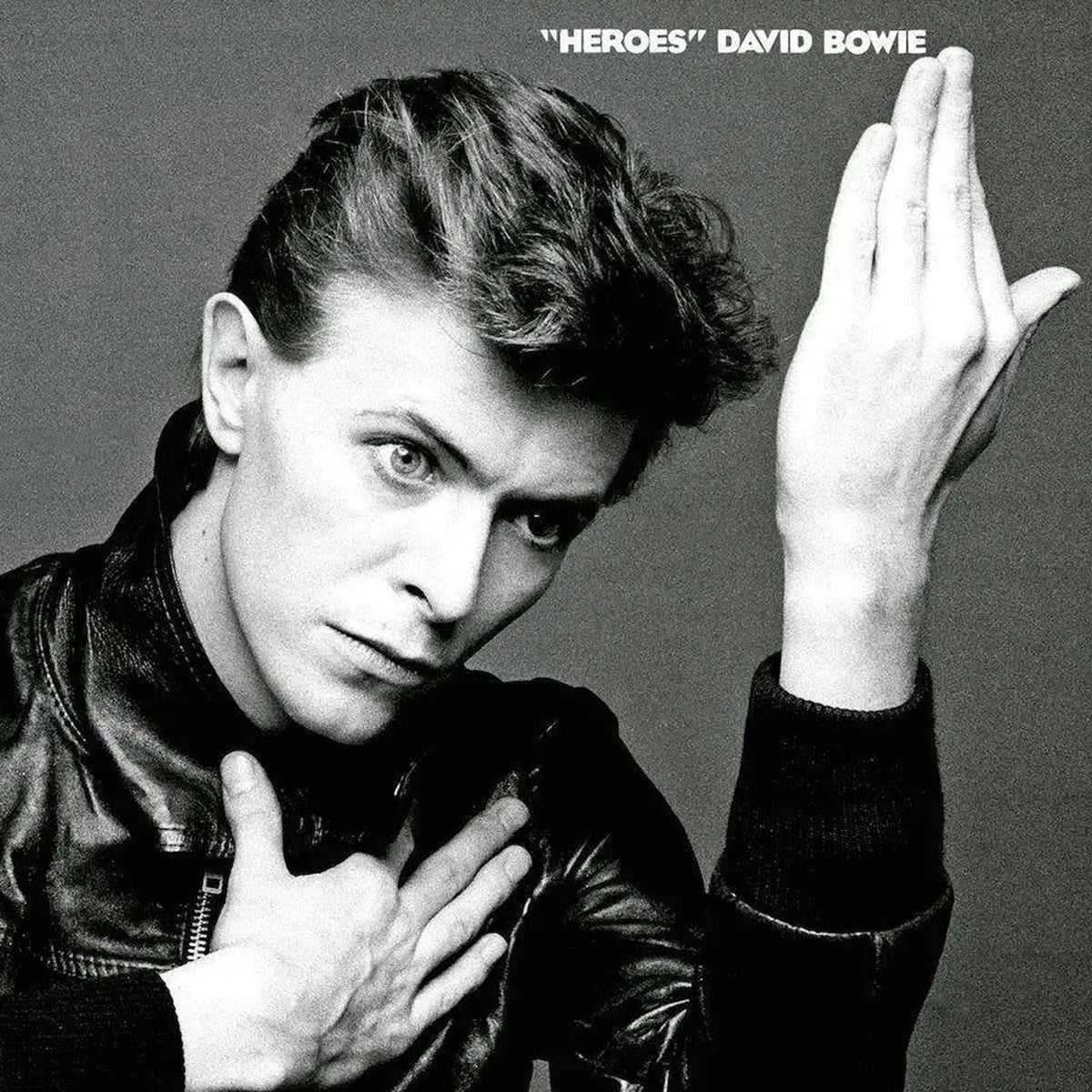
The only ‘Berlin’ album to be entirely recorded in the German capital, Bowie reflects the intensity and vulnerability of a city which is split down the middle. Arriving during the Cold War, Bowie and Visconti set up camp in West Berlin and looked across the wall at a completely different life almost every day.
In fact, the LP’s title song, and perhaps one of Bowie’s most loved tracks, was written after the Starman caught a glimpse of Visconti and his mistress stealing a kiss by the wall itself. It was a startling message of unity written about something so divisive. It became part of the reason Bowie performed it in the city over a decade later, even pointing the speaker toward East Berlin.
The album is artistic and romantic in equal measure, allowing Bowie to give himself over to the creative process and make music that inspires and influences once again. Heroes was proof that Bowie wasn’t a pop star; he was an icon. And his impact on society was unrivalled.
‘Low’ (1977)
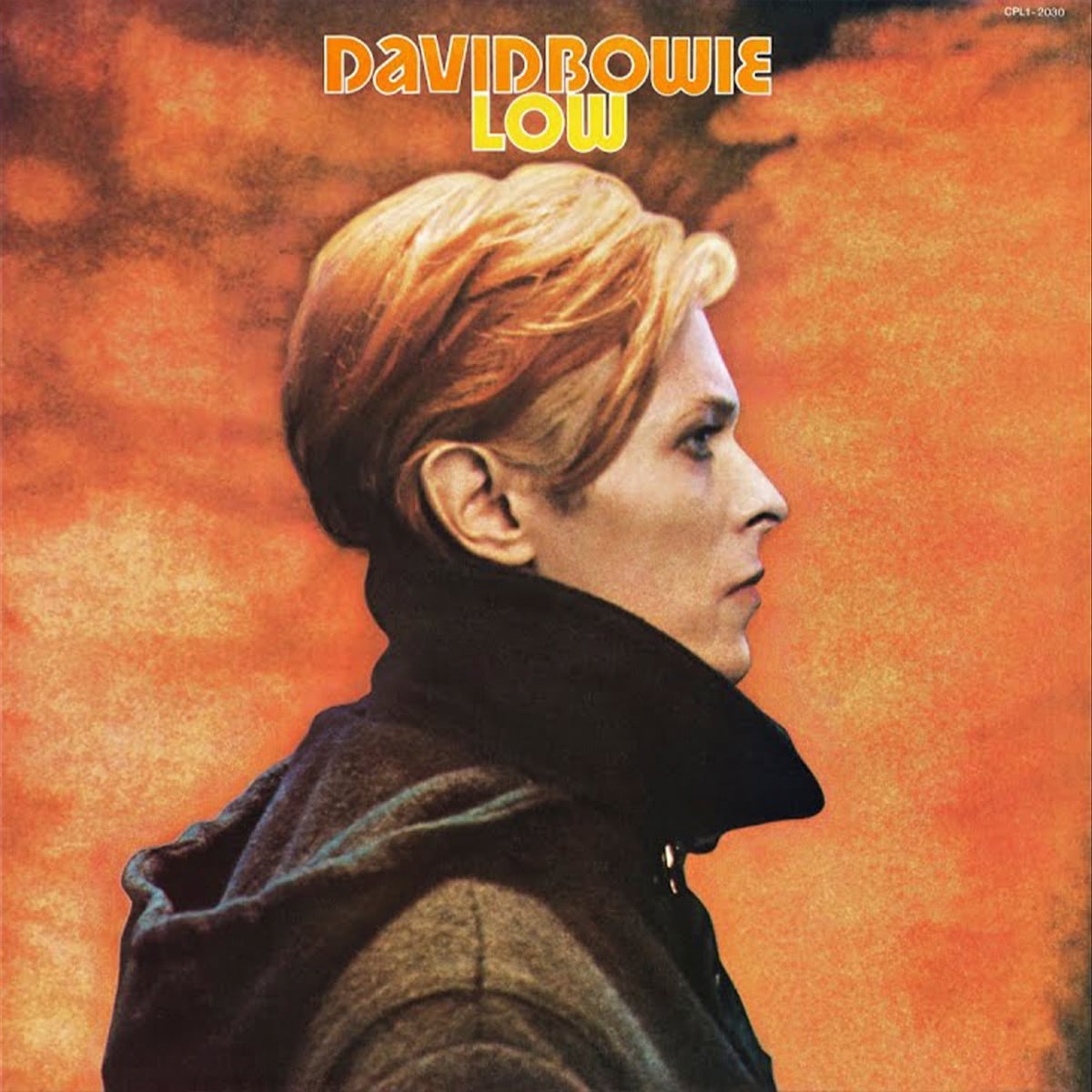
Despite being made mostly in France, this instalment of the Berlin trilogy is widely thought of as the most aligned with the era’s pursuit of experimentation. With Bowie kicking his cocaine habit into touch and the star trying to reinstall a sense of creative curiosity, Low is a joy to behold as he traverses the pitfalls of modern life.
As Bowie began to employ the William S Burroughs cut-up technique for writing lyrics, the music and the output become more and more opaque. More dense and textured. Bowie had been experimental before, but now it was a deliberate pursuit. In a Berlin between walls, he was plucking the sounds out from liminal spaces for an utterly unique rock-ambient crash.
Tony Visconti captains the ship on production, and the album moves like a well-oiled machine because of it. Of course, Brian Eno is also on hand to lend his electronic hand where needed. It’s a dream combination that ends up in an ethereal album that seemingly creates its own world for you. This is the hipster’s choice.
‘Blackstar’ (2016)

Blackstar is the final breath of one of the world’s greatest artists, and for that reason alone, it is noteworthy. But the magic of this swansong is that it even transcends that sentimentalism. An artist to the end, Bowie’s final album, an unexpected one at that with many people believing The Next Day to be his last, was a brutal reflection of a life we will all eventually lose.
Bowie is not only inspired by jazz and electro on this album, but his own mortality, something he was acutely aware of around the time. It’s a confessional record that sees Bowie open up about death, the fear of it and the idea of rebirth, across seven intense songs. It’s all patchworked together into a tapestry of life in transition with motifs from throughout his career scattered along the vista.
It is a courageous piece of artistry and one that confirmed Bowie’s ultra-legendary status like no other disc before it. Yes, there are better Bowie albums, but none are so arresting or painful for a Bowie fan. For those people, this is confronting life and death itself. And it does it with inspired grace.
‘Hunky Dory’ (1971)
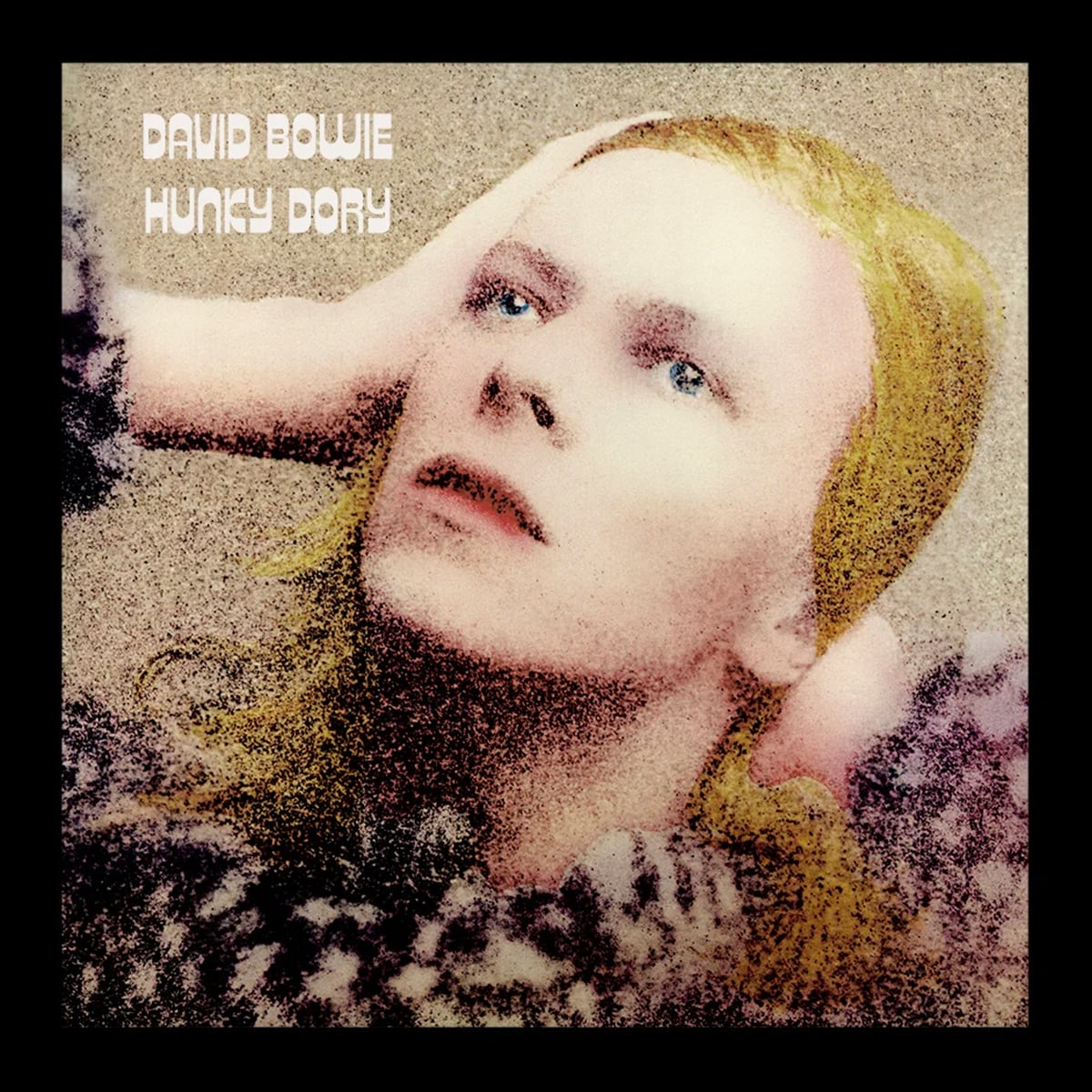
The album remains the breakthrough record for Bowie and showcases some of his best moments in the pop sphere. While the success of ‘Space Oddity’ in 1969 had afforded the Starman some fame and acclaim, it was Hunky Dory that really set him on his path to becoming a legend.
In the record, Bowie set out his blueprint for success. He would take the kaleidoscopic influences he fell upon and which fell upon him and tie them up together. He popped on the neat bow of blossoming showmanship, and delivered this present to the world with a charismatic smile.
If there’s one thing that Hunky Dory is, it’s an introduction to an icon. It should be the first place you send any Bowie virgin, not least because of the huge range of songs and styles. As well as including massive songs like ‘Changes’ and ‘Oh You Pretty Things’, the album is home to perhaps Bowie’s finest composition, ‘Life on Mars’. It is a beautiful album filled with stunning peaks and even the troughs are intriguing
‘The Rise and Fall of Ziggy Stardust’ (1972)
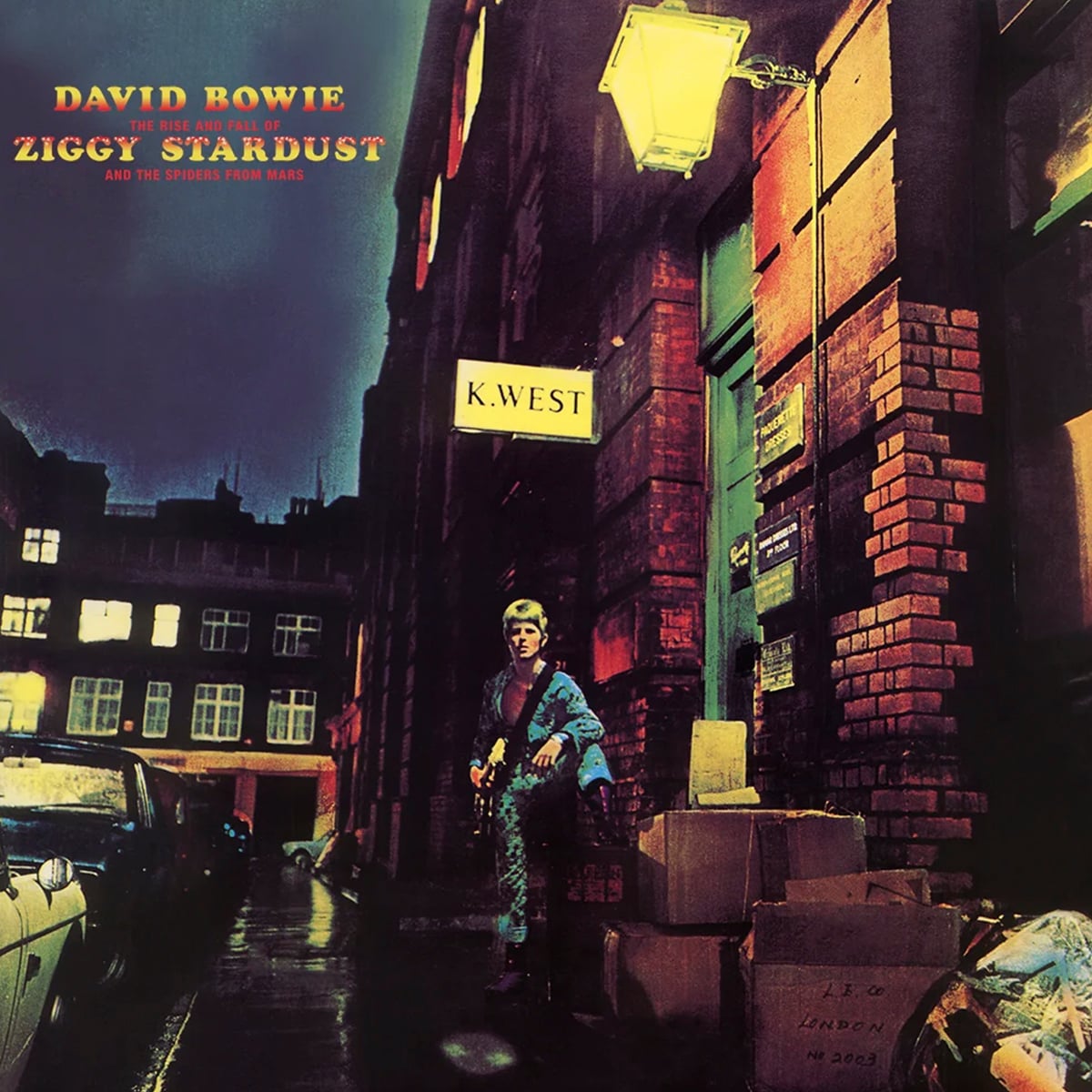
Some artists are lucky if they have one defining moment in their musical career, David Bowie has had far too many to mention. But most certainly one of those moments was when he formally introduced the world to his rock ‘n’ roll alien, Ziggy Stardust in his titular album.
The Rise and Fall of Ziggy Stardust and The Spiders From Mars, not only went on to define a generation of glam rock kids who sat glittered and glitzed, ready for their rocket ship out of mundanity, but set out David Bowie as an artist unlike any other. Welcome to Bohemia, this is an album that can change a life.
Not only is the revered record full of incredible songs that simply nobody else could or would make (seriously, imagine anyone else singing ‘Moonage Daydream’ or ‘Ziggy Stardust’ or ‘Starman’, it’s impossible), but it also saw the new idea of ‘concept albums’ being put into practice on Bowie himself.
With Ziggy Stardust, and this album, in particular, Bowie turned himself into a walking, talking and let’s not forget rocking, piece of performative art. It’s simply beautiful.
