


How Danny Boyle movie ‘The Beach’ ruined Thailand’s Maya Bay

Taking an enlightening gap year has become something of a cliché rite of passage for intrepid teenagers looking to ‘find themselves’ partaking in a number of wild excursions, from taking the psychoactive Ayahuasca in South America to hiking to Everest base camp in Nepal. Aside from the literature of Jack Kerouac and the music of Bob Dylan, no work of popular culture has got young people stuffing their towering rucksacks better than Danny Boyle’s film The Beach, a 1990s production that is still attempting to correct its devastating effect on Thailand.
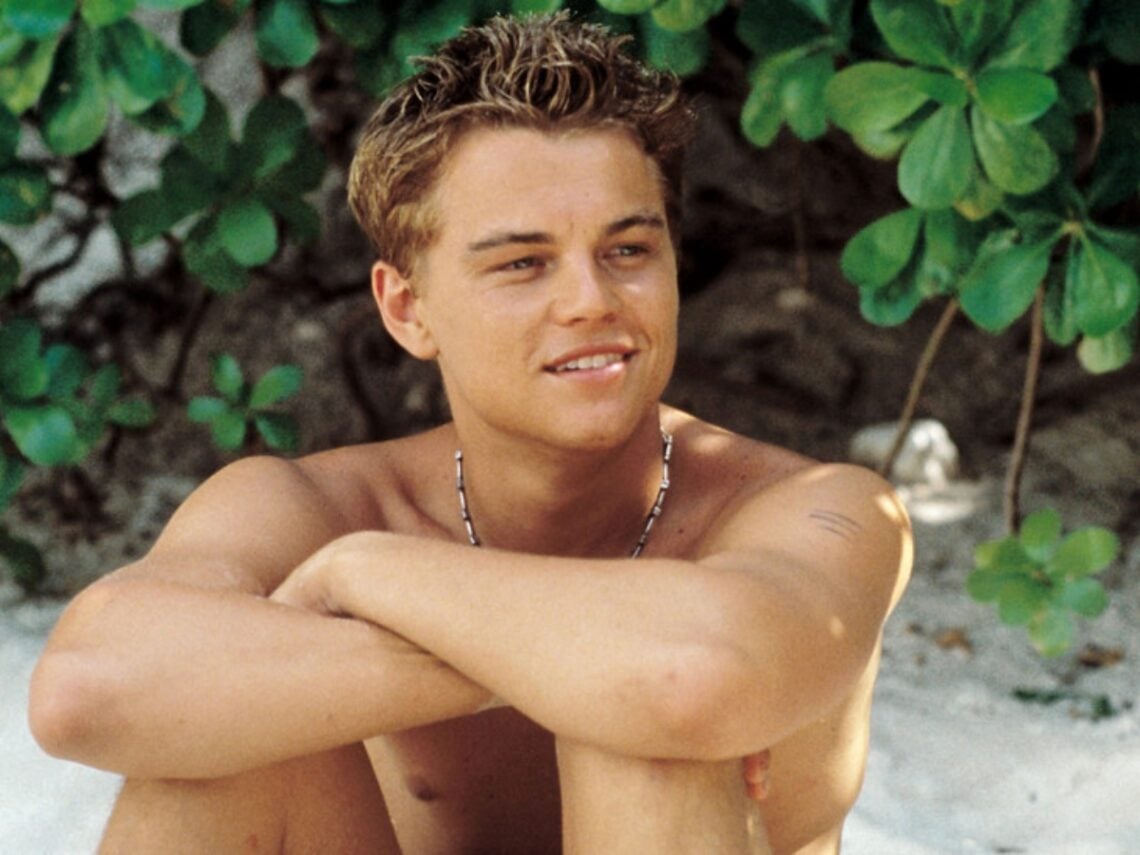
Starring Leonardo DiCaprio, The Beach is the dream of an adventurous, love-fueled gap year rolled into the excitement of a two-hour film that accurately captures the freedom and insanity of such wild journeys. A globetrotting drama that follows the story of Richard (DiCaprio), who sets out to discover an island rumoured to be an unspoiled paradise, it is certainly ironic how the film’s production team managed to spoil the site of natural beauty.
Shooting much of the film in Maya Bay on the Thai island of Phi Phi Lay, the film, produced by 20th Century Fox, was said to be a “forlorn scene of ugly bamboo fences and dead native plants” once the production team had been given permission by the government’s forestry department to re-organise the beach, according to a report from The Guardian. The beach was levelled, with 60 palm trees added to the surrounding arena and scrub bushes removed, despite the fact that they were holding the delicate coastal terrain together through their root systems.
Still, as promised, the production team attempted to return Maya Bay to its original state after shooting the movie, but by then, the damage had already been done. Though they removed the palm trees, replanted the shrubs and put bamboo fences in place to hold the dunes together, the sand shifted out of place and partially swept out to sea, and the native plants that had been previously removed had been irreparably damaged dying shortly after they were uprooted.
Despite the environmental damage that the movie had caused, 20th Century Fox inevitably released the film on February 2000, subsequently encouraging thousands of people to flock to Maya Bay after its success in the following decades. After the previously unknown site became common knowledge among keen travellers, the beach became overrun by tourists who trampled on the wildlife and destroyed approximately 90% of the natural coral thanks to the coast being frequently used by boats ferrying guests.
In 2018, the Thai government estimated that around 5,000 people and 200 boats had been visiting the beach every day in recent years, forcing them to close the site indefinitely. Songtam Suksawang, the director of the national parks, stated at the time: “We have evaluated each month and found out that the ecological system was seriously destroyed from tourism of up to 5,000 people daily…It’s very difficult to remedy and rehabilitate because its beach was completely destroyed as well the plants which cover it”.
More recently, in September 2022, Bangkok’s supreme court upheld an agreement with 20th Century Fox to provide 10m baht to local authorities in order to help restore the beach to its previous condition. Since efforts to conserve the area have been implemented, improvements to the area have been seen, with a number of blacktip sharks returning to Maya Bay, but still, the irrevocable damage that the Hollywood production caused will mean the area will truly never be the same again.
