


How did Daft Punk inspire Phoenix?

The helmet-wearing electronic music duo Daft Punk took dance music to realms not thought possible when the genre gained mainstream attention during the 1980s. Blending their take on French house with funk, disco, rock and pop, their infectious songs helped them land numerous hits and made them a pop culture leviathan.
Comprised of Thomas Bangalter and Guy-Manuel de Homem-Christo, between their formation in 1993 and their split in 2021, Daft Punk only released four albums, with the first, Homework, arriving in 1997 and the final effort, Random Access Memories, released in 2013. Famously, the latter boasts the ubiquitous and wildly successful single ‘Get Lucky’, which features both Pharell Williams and Chic mastermind Nile Rodgers. The album was a fitting way to bow out, paying tribute to American music of the 1970s and ’80s, with guest appearances also coming from Giorgio Moroder, Panda Bear, Julian Casablancas, and more.
Daft Punk were so impactful that the range of prominent artists they can claim to have influenced is astonishing. Whether it be helping the entire genre of EDM to rise, mentioned by James Murphy of LCD Soundsystem, or even being sampled by Kanye West in 2007’s ‘Stronger’, the band’s mark on popular culture is extensive.
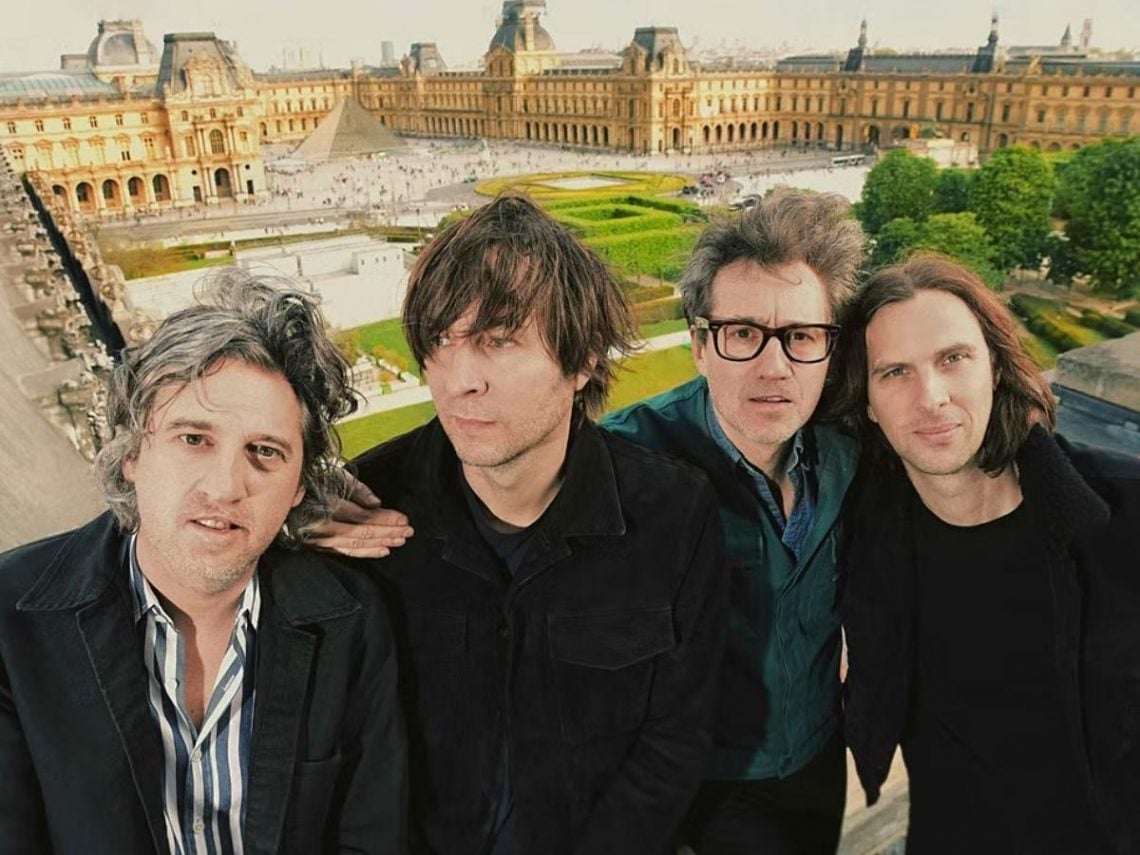
One outfit that Daft Punk had a defining influence on is fellow Frenchmen and friends, Phoenix. Notably, the Versailles indie pop band were formed in 1995, with guitarist Laurent Brancowitz eventually joining them after his short-lived group Darlin’ ended. The other two members of Darlin’ were Thomas Bangalter and Guy-Manuel de Homem-Christo. More importantly, Phoenix took their name from the track of the same name from Daft Punk’s Homework.
One of the finest early cuts by Daft Punk, ‘Phoenix’ is memorable for its hook – a sample of Elton John and Kiki Dee’s ‘Don’t Go Breaking My Heart’. Another notable aspect is that the song is heavily looped, with the driving kick drum and prominent high hats creating a mesmeric aural experience. This is then augmented by the Elton John sample and walking bassline, which ranks among the duo’s best.
Of the track, Bangalter explained: “This is an important track, but not any more important than any of the other tracks. When I was speaking with some people about the promotion of the album, they said they had a problem promoting it because DJs were not focusing on one track but liking all the tracks. It’s true that there’s not one track that is more important than the other on the album.”
