


‘Margaret’: the cursed psychological drama not even Martin Scorsese could save

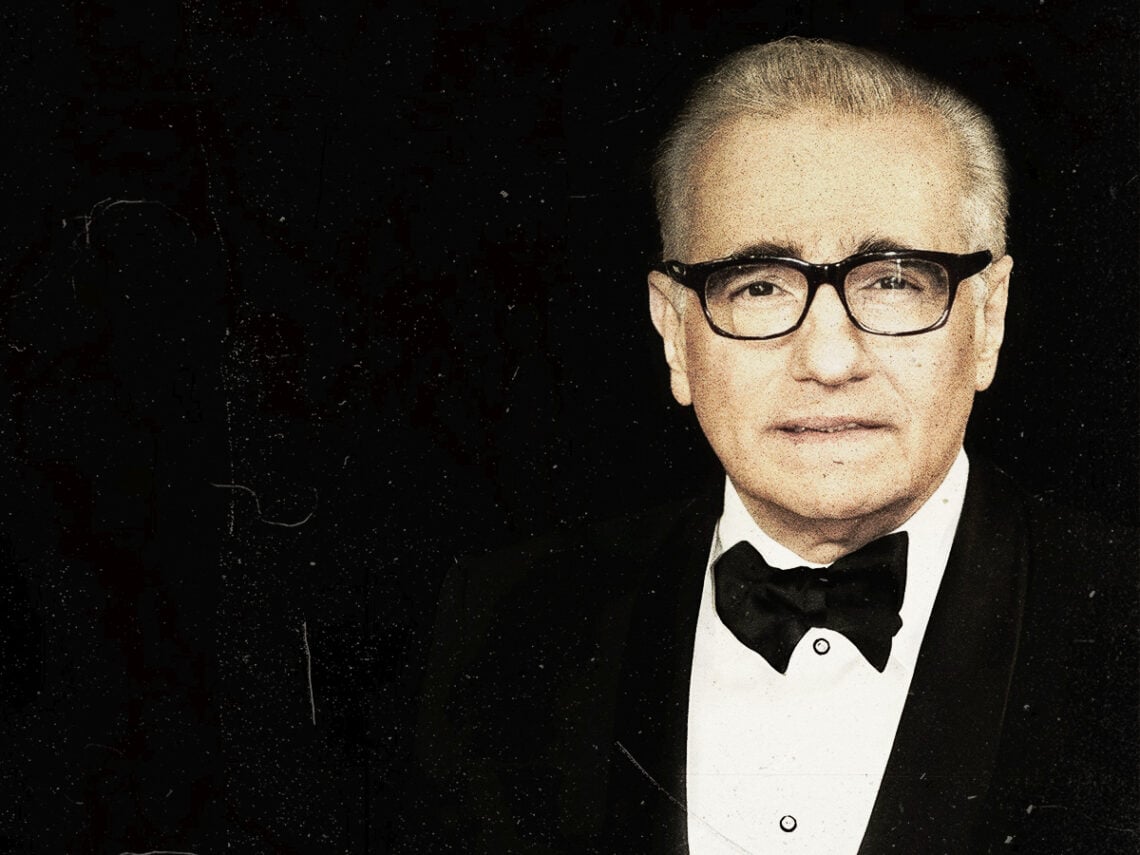
If a movie found itself in trouble as behind-the-scenes issues, studio politics, and heated exchanges between warring parties continually reared their head, breaking the emergency glass and beckoning Martin Scorsese to ride to the rescue seems pretty foolproof on paper.
A psychological drama about a high school student who unwittingly causes a bus driver to mow down a pedestrian before wrestling with the guilt of what happened doesn’t come across as a production that would spend six years mired in litigation and red tape, but that was the fate that befell writer and director Kenneth Lonergan’s Margaret.
It was the filmmaker’s second feature and first in over a decade, and everything seemed to be going according to plan. Anna Paquin, Allison Janney, Mark Ruffalo, Jean Reno, Matt Damon, and Matthew Broderick populated the impressive ensemble, and principal photography concluded in 2005.
However, Margaret wasn’t released until 2011, with Lonergan and the studio, 20th Century Fox, spending the intervening years at loggerheads. The auteur had the final cut on the film, but he struggled to put together a version of the finished article that satisfied both himself as a creative and his paymasters in the boardroom.
Production subsidiary Fox Searchlight sued producer Gary Gilbert, claiming he hadn’t paid the studio the 50% of Margaret‘s production costs that were contractually stipulated. Two months later, Gilbert’s banner Camelot Pictures countersued Fox and dragged Lonergan into the legal mire, alleging that the two parties had repeatedly stymied his attempts to finish the movie, leaving his outfit to foot the bill for “a clearly inferior and unmarketable film.”
Outside of the courtroom, Fox mandated that Margaret be no longer than 150 minutes, but Lonergan preferred a cut closer to three hours. It was during this time that Scorsese came into play, and he wasn’t alone, either, bringing along longtime editor and trusted confidant Thelma Schoonmaker into the mix to try and use their combined editing expertise to try and stop the bleeding.
Scorsese and Schoonmaker put together a 165-minute version of Margaret that Lonergan approved of, but not Gilbert. “Marty’s always been incredibly supportive of me, but he really outdid himself this time,” the director told The Guardian. “He worked really hard on the cut; he tried and I thought, found a way to maintain the movie’s integrity while keeping the running time down.”
Gilbert had put his foot down, though, with Lonergan admitting that “without his OK, Searchlight couldn’t release anything over the contracted length. ” The Scorsese/Schoonmaker double act’s intervention still wasn’t enough to soothe tensions between all involved and finally end the Margaret debacle, sending the spiralling situation right back to square one.
When the film finally arrived – at a studio-mandated 150 minutes, naturally – Anne McCabe and Michael Fay were the credited editorial team, succeeding where not even Scorsese and Schoonmaker could. Lonergan did at least get the chance to fulfil his original vision after his 186-minute Margaret was released on home video in 2012, at long last drawing a line under an agonising personal, professional, and creative experience.
