


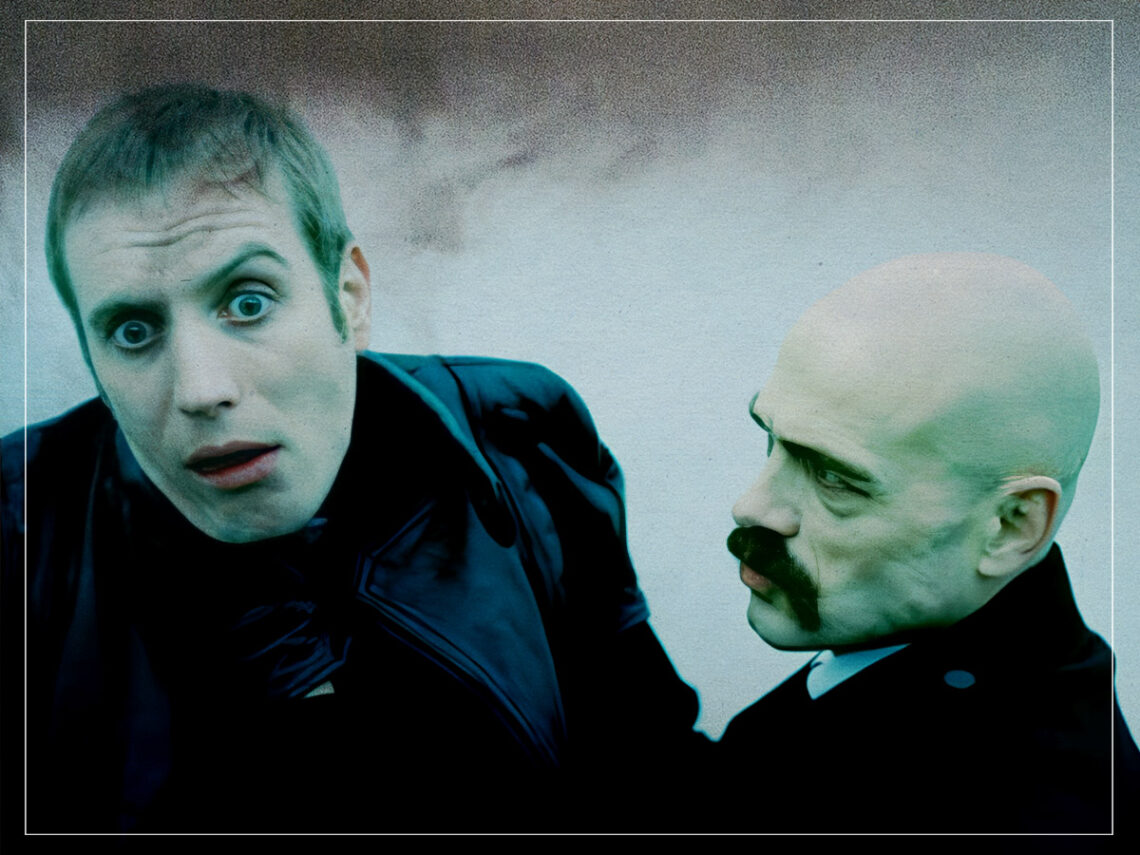
‘Rancid Aluminium’: the cult novel that became one of the worst British movies ever made

In 1998, Guy Ritchie‘s Lock, Stock and Two Smoking Barrels was unleashed upon an unsuspecting British public, and everyone went mad for it. Suddenly, funny Cockney gangsters getting themselves in all kinds of violent mischief became the order of the day, and a host of Lock Stock imitators began hitting cinemas and cluttering up the bottom shelves of video shops nationwide.
In truth, there were a couple of great films that didn’t deserve to be lumped in with this wave (Sexy Beast and The Limey), but most of them were pale imitations of Ritchie’s signature style: Gangster No. 1, Love, Honour, and Obey, and The 51st State, being the most obvious offenders. The worst of the bunch, though, has to be Rancid Aluminium, a movie so egregiously inept that it’s been called the worst British film ever made.
In truth, looking at the pedigree behind Rancid Aluminium, it’s easy to see why everyone involved thought they were on to a winner. The film was based on a Sunday Times bestselling novel by historian James Hawes, who had turned his book into a screenplay. Celebrated playwright Ed Thomas was chosen to make his directorial debut with the film, and he put together a cast of exciting young talent on the rise.
Rhys Ifans and Joseph Fiennes were the two marquee names, and both were riding high on the success of Notting Hill and Shakespeare in Love, respectively. Steven Berkoff of Beverly Hills Cop and Octopussy fame was on villain duties, and Nick Moran would lend sterling support. Hell, Moran was in Lock Stock, so they were even borrowing some of its street cred. What could possibly go wrong?
Well, everything, apparently. Though there are no reports of the production being particularly troubled, the resulting film was a genuine atrocity. The picture was lambasted at every turn. Critics said the performances were terrible, even from usually reliable actors. The direction lacked any visual style, and the film was accused of being stupid, unfunny, and displaying an unearned sense of smug satisfaction.
In addition, the plot was repeatedly accused of being incomprehensible to follow, yet somehow still mind-numbingly boring to watch unfold. Interestingly, a quick gander at the IMDb plot description is perhaps a keen insight into the reality of this criticism. It reads, “Pete in London inherits a company. The ambitious accountant makes a deal with a Russian mafia boss. The Russian wants hard currency and grandkids but kills his daughter’s lovers. His daughter needs an Englishman like Sir Francis Drake.” If you can make head or tails of that, you’re smarter than most people who had the misfortune of watching the film in utter confusion.
There is a noticeable dearth of interviews from the time period with any cast members, and it doesn’t appear like any of them have addressed it in later years, either. The only comment that could be dug up was from Hawes, who suffered the ignominy of another terrible movie based on one of his books – Dead Long Enough – seeing release in 2005. He told The Guardian, “I have to take all the blame for at least one of these bad versions of my books. I adapted Rancid Aluminium myself, and it was a terrible screenplay.”
What made Rancid Aluminium such a disaster, though? Could any low-rent gangster movie from that peculiar era be so bad that it could kill a director’s career stone dead? Well, unfortunately, the answer may be yes. Thomas never directed another feature film, and in 2000, The Guardian’s Jacques Peretti wrote, “By universal consent, it is the worst film ever made in the UK.”
While some still believe that it is beyond conventional criticism and that anyone who has actually seen it shudders at the mention of its title, you can never predict what will become a cult film.
