


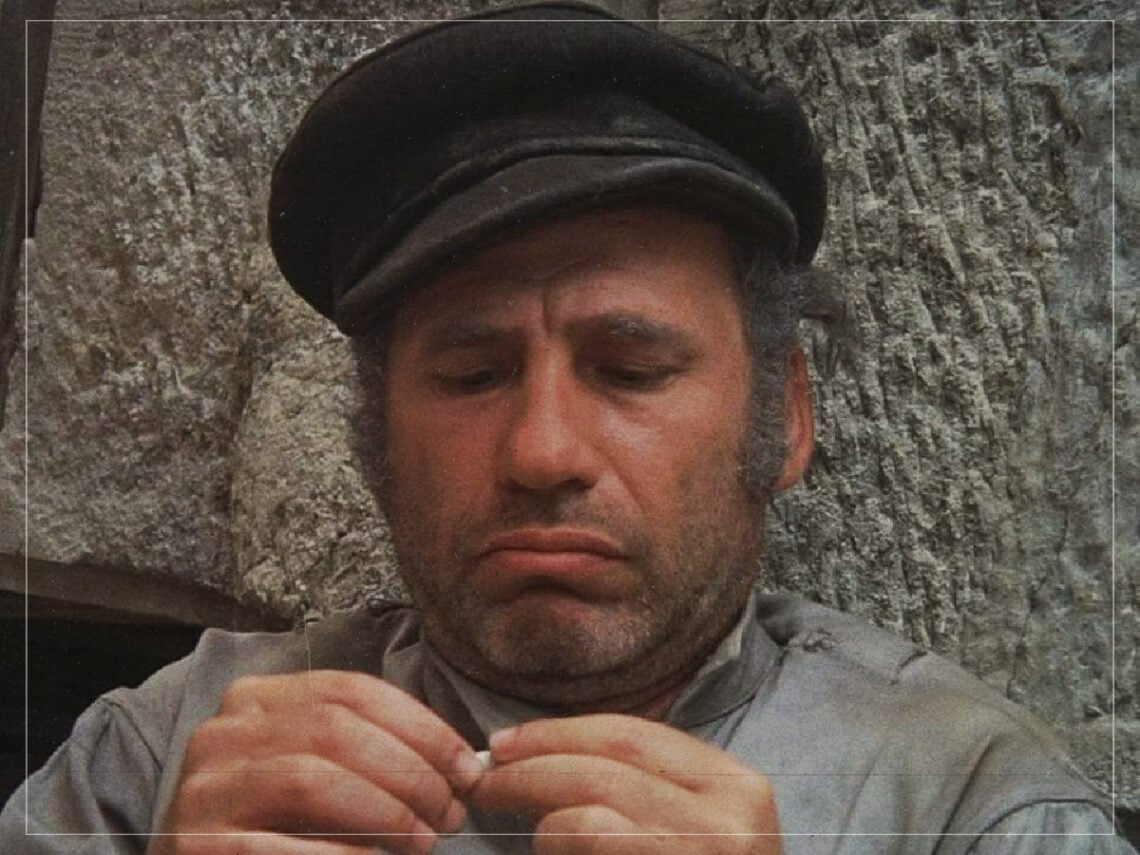
The “crazy” 2009 movie scene that reminded Mel Brooks of his younger self: “He’s not being politically correct”

‘It wasn’t like that back in my day’ is one of those phrases that can make anybody roll their eyeballs into the back of their head, but as the oldest of the old-timers, Mel Brooks can just about get away with it.
Any time a veteran opens their mouth and casts judgment on the entertainment landscape, whether that’s movies, television, music, art, comedy, or anything else, they always run the risk of becoming an old man yelling at clouds, and on the cusp of turning 100, they don’t come much older than Brooks.
For the most part, he likes what he sees, though. The EGOT winner became a household name by turning mainstream comedy upside down and shaking it until all of the loose change fell out of its pockets, with the filmmaker having no interest in playing it safe, toeing the line, or bowing to studio demands.
The Producers and Blazing Saddles caused uproar among the people who were paying for them by mercilessly ribbing Nazism and racism, two concepts that Hollywood had largely been afraid to poke fun at for fear of stirring a hornet’s nest. Brooks didn’t give a fuck, and he got two masterpieces out of it.
On both occasions, the suits were borderline apoplectic, insisting that he make cuts, tone down some of the more near-the-knuckle jokes, and rewrite entire scenes, otherwise they’d sweep his pictures under the rug. He said he would, even though he had no intention of doing so, and the results speak for themselves.
“I just wanted to exorcise both my angels and demons,” he said, reflecting on the boundary-busting and taboo-shattering Blazing Saddles. “I said to all the writers, ‘Look, fellas, don’t worry, this movie will never get released. Never. Warner Bros will see it, and they’ll say, ‘Let’s bury it’. So let’s go nuts. Let’s write things that we never would dare write.'”
A bold and potentially career-killing approach, but one that paid dividends. That mindset explains why Brooks has become so fond of Seth MacFarlane and Sacha Baron Cohen, two comics who couldn’t care less about causing widespread offence, but as far as elite-level auteurs go, he thinks Inglorious Basterds nailed the Brooksian fearlessness better than most.
 The 2004 Matt Damon scene that saved a car crash victim from a coma: “It’s one of those things”
 The 2014 movie that made Quentin Tarantino want to punch “directors who don’t give a shit” in the face
 The most “suicidal” thing to happen to 21st-century cinema, according to Roger Ebert: “It adds nothing essential”
“There’s a few guys doing that now: Tarantino’s doing that,” he pointed out. “He’s not being politically correct, or in any way correct. Getting Göring, and Hitler, and Goebbels, and all of those guys into a movie house in Paris and setting it on fire! I mean, that’s so crazy! I said, ‘I’m not gonna fucking worry about what they’re going to like or not like’. It’s what I like and what I don’t like.'”
Everyone knew that Inglourious Basterds would take some liberties with the facts, but few expected the climactic showdown to involve the Nazi hierarchy being machine-gunned into mush in the middle of an arson attack. Brooks, who made needling the Third Reich one of his career-long signatures, thought it was inspired, reminding him of his own no-fucks-given attitude back in the day.

Never Miss A Take
The Far Out Quentin Tarantino Newsletter
All the latest Quentin Tarantino content from the independent voice of culture.
Straight to your inbox.