


Does country music have a racism problem?

While many perceive country music as originating from a select group of southern American white men fixated on themes of women and whiskey, this stereotype only scratches the surface of its rich history. While these elements did play a significant role in its early popularity, they do not represent the full spectrum of innovators who shaped the genre and its accompanying values.
Modern country music, in this context, and at its most stereotypical, emerged as a quintessential reflection of American culture and heritage. It took shape at the crossroads of post-war America and the civil rights movement, resulting in a sound that was often raw and less polished than subsequent iterations.
In common country music discourse, therefore, it would be surprising if names like Hank Williams, Willie Nelson, Dolly Parton, Waylon Jennings, and Merle Haggard didn’t arise. These figures represented “true Americans”, often adorned with country music iconography like cowboy boots and hats, pickup trucks, and rural landscapes.
Whichever way you look at history, country music emerged as an amalgamation of trailblazers who came before, whether that’s Scottish and Irish immigrants who arrived with nothing more than a handful of folk songs or the legendary Black folk whose contributions to blues and rock ‘n’ roll helped to birth the rise of many country sensibilities as we know them today. In short, country music is much less white than we might realise, and yet it appears exclusive and even unforgiving in its whiteness.
A sociological look at why this happened may reveal more complexities than it clarifies, just as deeming crime in certain working-class areas as an educational issue seems pretty reductive and probably a little offensive. But to ignore America’s racist past and its ties to country music would be to significantly dismiss a large part of the genre’s current downfall.
Outlaw country music, as it appeared in the 1970s and in today’s landscape, seems to still be rooted in conservatism, so much that it’s fallen into the hands of precious gatekeepers who believe that there’s one way and one way only to be a country star. At the same time, many within this group believe country music should sound one particular way, shunning new additions to the genre as commercial or well-packaged pop music.
One such case occurred when Morgan Wallen – a hugely popular country star in America – appeared to shout a racial slur in a video that surfaced online. Despite facing repercussions such as being pulled from airplay by several radios, suspended by his label, reportedly dropped by his booking agency, and denied eligibility for a major awards competition, Wallen experienced a remarkable surge in digital album sales, witnessing a 1,220% increase, along with a 327% increase in song sales during a specific window after the incident reached headlines.
Whether people saw Wallen’s name in the press and streamed his songs out of curiosity or their actions were racially motivated remains uncertain, but the moral of the story seems simple: perpetuate racism in country music, and you’ll be rewarded by the general public. While the controversy stirred an apology out of the singer, his words were intensely racist, making it hard to see a side of the story where it was nothing more than an accidental remark.

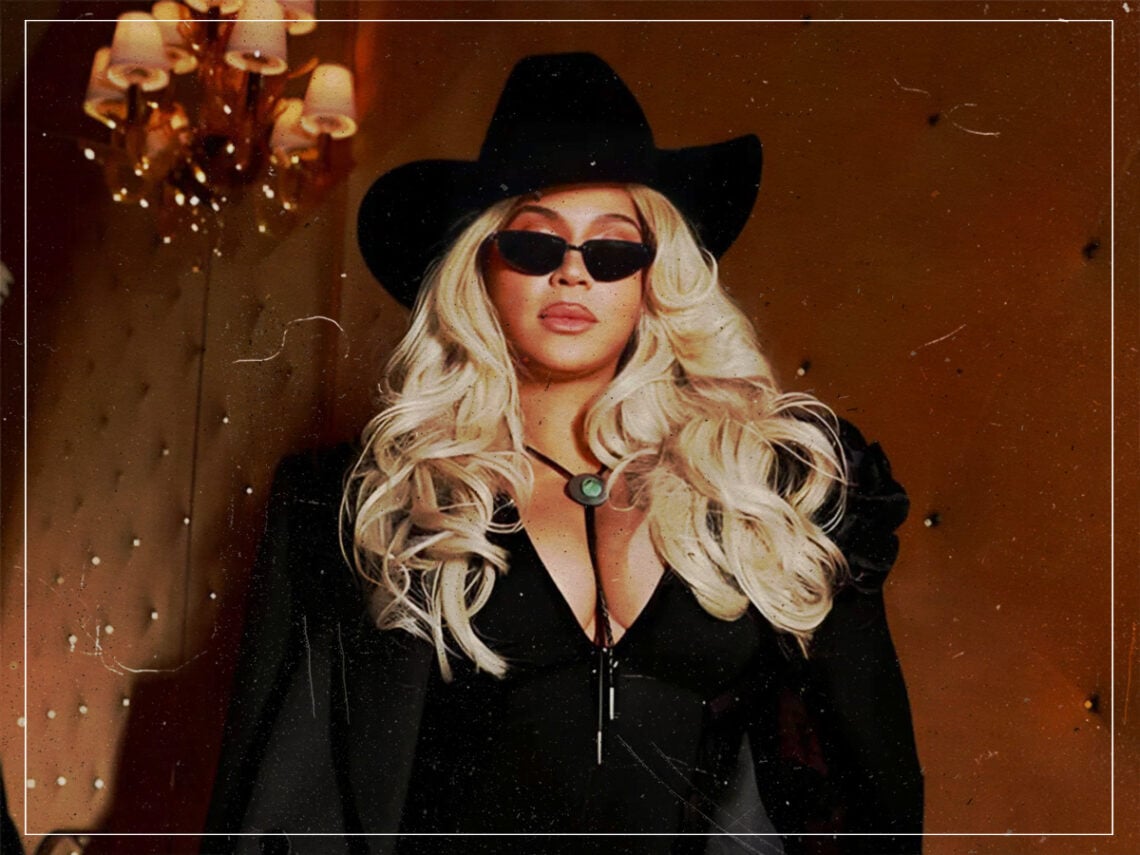
Nonetheless, when Beyoncé became the first Black woman to reach number one on the country music charts with her single ‘Texas Hold ‘Em’, online communities became ignited with backlash partly about the song not being a “true” country song but mostly about her ethnicity. “Who cares?” formed many of the comments on social media, followed closely by critical opinions on Black culture and the significance of this milestone.
While artists like Orville Peck are making huge strides in crafting more openness and acceptance of queer people in country music, Black artists still seem to be largely ignored for their talents, ushered to the side as not “serious” country acts, or simply not worthy of a place among other icons due to their skin colour. More recently, Maren Wallis, an artist rooted in the country genre, explained her reasons for departing from the genre, citing her inability to participate in its “toxic arms”.
Although a white woman, Wallis’ decision to leave the genre came as a result of its restrictiveness and inability to accept people from different backgrounds. She said: “I thought I’d like to burn [the country music industry] to the ground and start over, but it’s burning itself down without my help”. This also followed criticism Wallis expressed on social media about Wallen’s racial slur. After she called out his insidious and harmful video, she received death threats, as did her infant son. “I could have never fathomed that it would go there just off of criticising a racial slur,” she said. “It felt like a warning shot.”
Many facets of the entertainment industry are being impacted by significant movements, like Black Lives Matter sparked by the murders of George Floyd, Breonna Taylor, Ahmaud Arbery, and others, but there remains a certain level of insidiousness beneath the surface when it comes to accepting society’s most vulnerable and oppressed members. Within country music, there has been a succession of inherent misogyny, racism, and homophobia. Much of this persists to this day in various forms, from the subtle language of society to the exclusion of Lil Nas X’s ‘Old Town Road’ from the Hot Country chart, a decision which mirrors the choice made almost a century ago to segregate genres based on race.
This historical context has fostered a culture that not only celebrates inherent whiteness but also exhibits a clear anti-Black attitude. In 2020, Rachel Berry, a New Jersey resident, shared her experiences being a Black country music fan while buying concert tickets. “Before you buy tickets to a show, have you ever looked up the name of the town/city and then ‘racism’? I have. There have been a few shows that I have had to pass on because the first two or three links that popped up were about acts of racism that have happened there,” she wrote in an Instagram post.
“But I have felt uneasy walking through a crowd of tailgaters and seeing Confederate flags flying high from their trucks. I find myself almost wishing I was invisible so I could walk through the crowd without being seen or noticed,” she continued. Her post caught the attention of artists like Morris, Brad Paisley, Tenille Townes, and others, who rushed to share their support and appreciation for her honesty.
The hostility that Black people continue to face in the industry reflects the unspoken issue of its unwavering prejudice. In her book, Rednecks, Queers & Country Music, Professor Nadine Hubbs claims that the type of country music fan that immediately comes to mind is a specific type of person, one that is inherently problematic and which most of us know to recognise as such. It perpetuates the notion that white supremacy isn’t harmful when we brush it off as nothing more than a tongue-in-cheek stereotype.
Succumbing to the notion that country music is exclusively for white people implies abandoning Black country artists, Black country music enthusiasts, the genuine, albeit complex, history of country music, and the essence of country music itself. Even Tracy Chapman, a Black, queer woman whose track ‘Fast Car’ won a Grammy in 1989, has been criticised over her authenticity as a country artist, while for her white and male contemporaries, like Luke Combs, talent or position in the industry is never a question.
“Country is sort of this stronghold of white Southern conservatism even though it has these really deep rich multiracial and multiethnic roots,” said Jada Watson, an assistant professor of digital humanities at the University of Ottawa. “And so I think when we’re talking about the country today, we have to acknowledge where it comes from and the ways in which various moments in its development have replicated that structure,” she added.
