


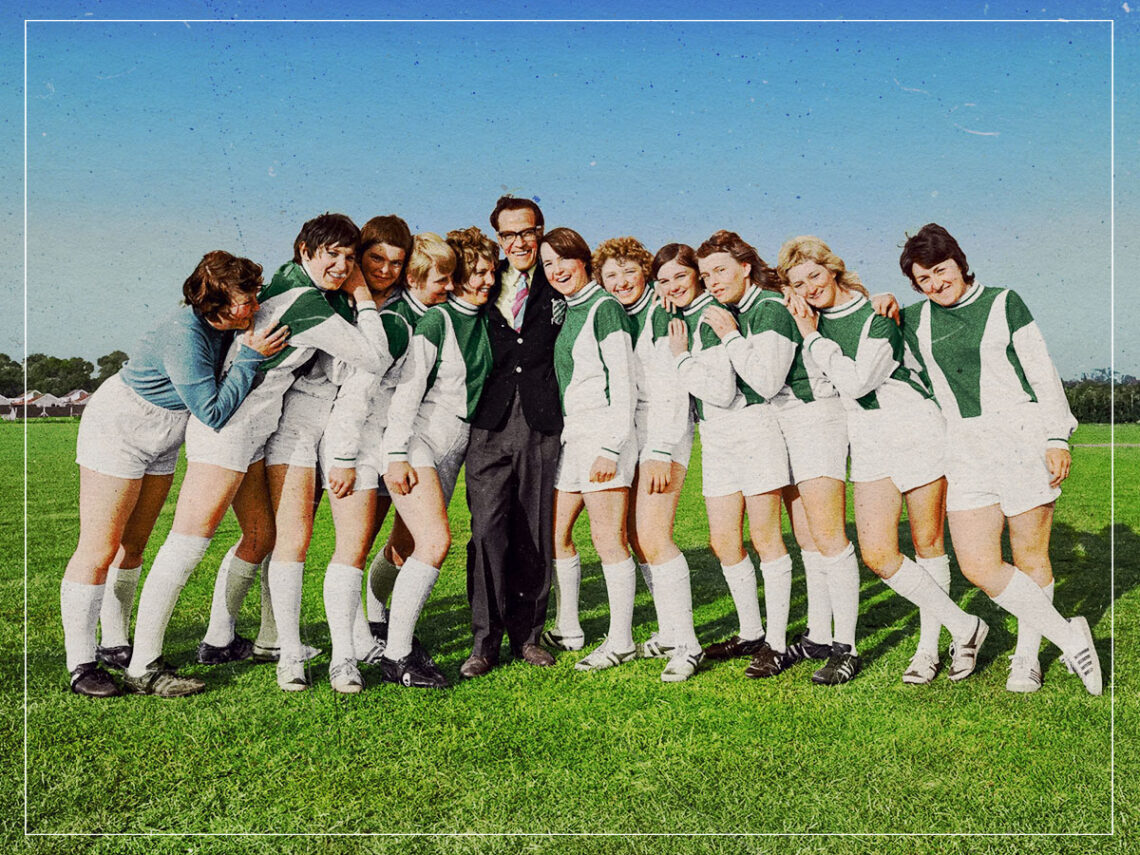
‘Copa 71’ movie review: The triumphant Women’s World Cup that was erased by history

“Happy” and “infuriated” were the sentiments Brandi Chastain expressed after witnessing the footage of the 1971 Women’s World Cup for the first time. This historic match, featuring all women, had been intentionally erased from history, a revelation bound to astonish and incense the keenest minds among us.
The pinnacle of women’s football celebration was eclipsed by disinterest and misogyny, as even the most renowned figures failed to acknowledge the vibrant scenes of the 1971 Women’s World Cup in Mexico. Now, for the first time, this event is being unveiled to honour its monumental significance, shedding light on the deeply ingrained sexist biases at the core of modern football culture.
Taking place in August 1971, the tournament wasn’t officially recognised by society or Fifa at the time, resulting in it being effectively erased from culture and discourse, a stark contrast to men’s football events. The lack of support and investment in women’s football during this time meant that the achievements of the players went largely unnoticed by the wider football community.
The 1971 match was nothing short of an electrifying spectacle, drawing throngs of passionate football enthusiasts to fill the stadium with an atmosphere charged with euphoria and energy. It was a truly momentous occasion, spotlighting the pinnacle of the women’s game and the spirit of camaraderie it engendered among players and fans alike.
The whole event seemed utterly unreal. Unfortunately, for FA, Fifa, and the enduring sexism in the industry, it was. The documentary sheds light on the pervasive sexism experienced by aspiring female footballers, illustrating their struggles with limited opportunities from a young age. As described by Carol Wilson, the boys had easy access to the sport at school, while girls faced significant barriers, making it challenging for them to be taken seriously.
“We were never allowed to play football, ever,” she recalls the next scene depicting Silvia Zaragoza sharing a similar sentiment. “Women are created to stay inferior,” she remarks, revealing how external pressures compelled her to play football in secrecy. As we delve into the poignant narratives that shaped our sporting heroes, it becomes evident that their passion for football went against everything they knew. At the time, authorities also vehemently opposed the notion, citing ludicrous reasons such as the perceived danger posed by their breasts.
Even when the women’s football teams did gain exposure in the form of people coming to their matches, often, it was packaged up as light entertainment under the guise of a joke. As a result, the audience was mostly men who would endeavour to shout sexist remarks. The ones that weren’t gawking at the players in their shorts, according to Nicole Mangas, were yelling comments like “get back in the kitchen”.
Authorities and football fans, much like today, viewed the sport as a strictly masculine pursuit, dismissing any notion of women’s participation as mere entertainment. Given the fact that discourse at the time was filled with harrowing language, including “it’s a curiosity, both erotic and comedic,” it’s safe to say that women’s football was initially established to be mocked and ridiculed. Copa 71 presents this in its rawest, unfiltered forms, depicting the frustrating challenges women in the industry endured just to pursue their passion.
The documentary also provides evidence that a world of equality and acknowledgement for women in football exists, albeit often overshadowed by the overarching narrative. Today, women’s football still has a long way to go. Though new TV deals have been secured, offering vital funding for the growth of the WSL, the women’s game is still relegated to the sidelines regarding the grassroots level and societal recognition. The triumph is there waiting to be discovered, and Copa 71 is one vital step in achieving this seemingly impossible feat.
