


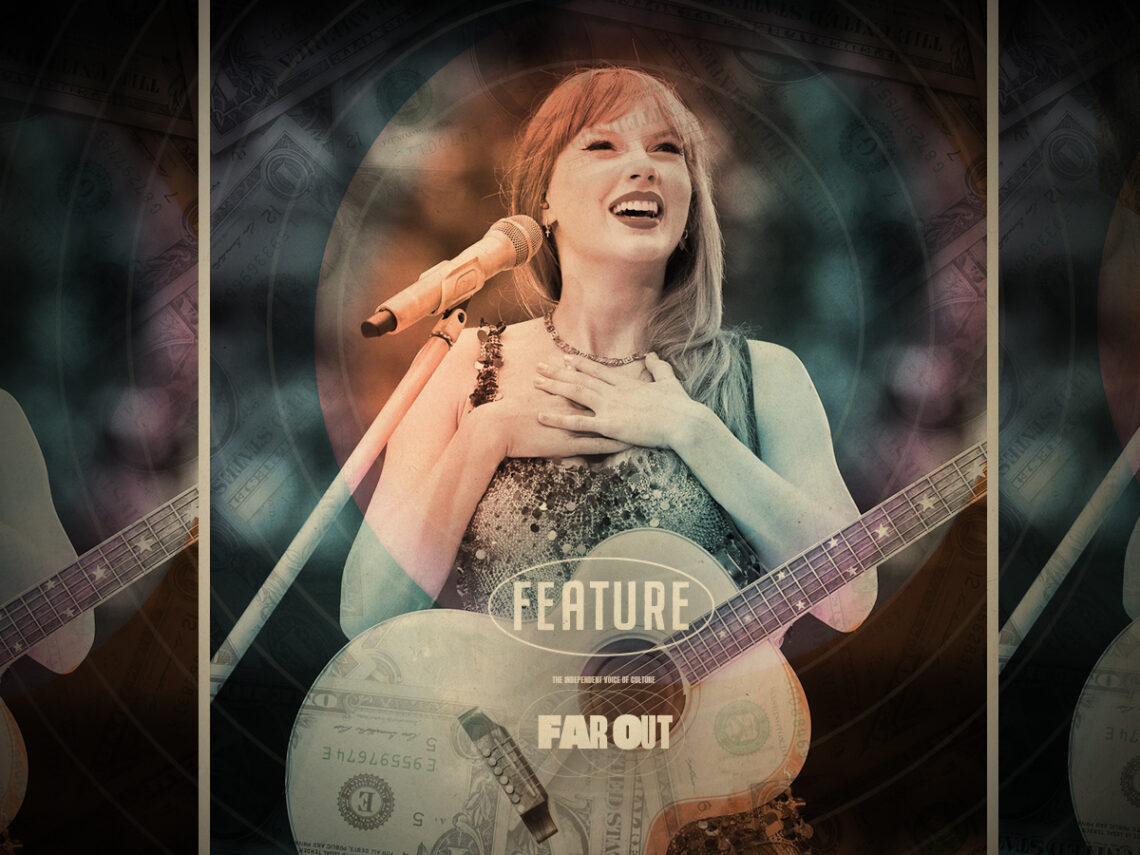
Superfans, Swifties, and the commodification of fandom: How Spotify’s new model sets a dangerous precedent

How much would you pay to be a fan of your favourite musician? Music fandom has always had a consumerist streak, paying for concerts, buying albums and merchandise. In the modern age, though, it seems as though fans have a stronger monetary obligation to their favourite artists than ever before.
Earlier this year, Swedish music streaming service Spotify announced that it would introduce a new tier to its subscription model. Reportedly aimed at ‘super fans’, the model would ask members to pay an extra cost on top of their existing subscription, to be rewarded with rewards and additional content from their favourite artists, such as exclusive tracks and content from people like Taylor Swift.
Firstly, let’s deal with the cynicism at the heart of the ‘superfan’ model. Spotify has long been criticised for the offensively low royalty rate it gives to artists who host music on the platform. Compared to other major streaming services, like Apple Music, Spotify pays artists less for their work, generally. It could certainly be argued, then, that this ‘superfan’ charge, which will reportedly generate more revenue for artists, is a means of putting the onus on fans and listeners to pay artists more, rather than dipping into the company’s profits.
Despite all of that, it is fair to say that the ‘superfan’ model is a microcosm of wider issues within the music industry, namely, how much is expected of fans to ‘prove’ the level of their fandom. Take Taylor Swift, for instance; as the biggest pop star on the face of the planet right now, Swift has amassed an unparalleled fandom of incredibly dedicated listeners. With that, though, Swift – and, I’m sure, an extensive board of music executives – have managed to imbue the fandom with something of a competitive edge.
All of a sudden, if you don’t fork out an extra couple of hundred quid for ‘VIP’ tickets which allow you access to the ‘golden circle’, or collect every ‘limited edition’ coloured vinyl variant of a certain album, or double the cost of a concert ticket on merchandise, you are seen as less of a fan than somebody who simply listens to Swift’s albums and appreciates her songwriting.
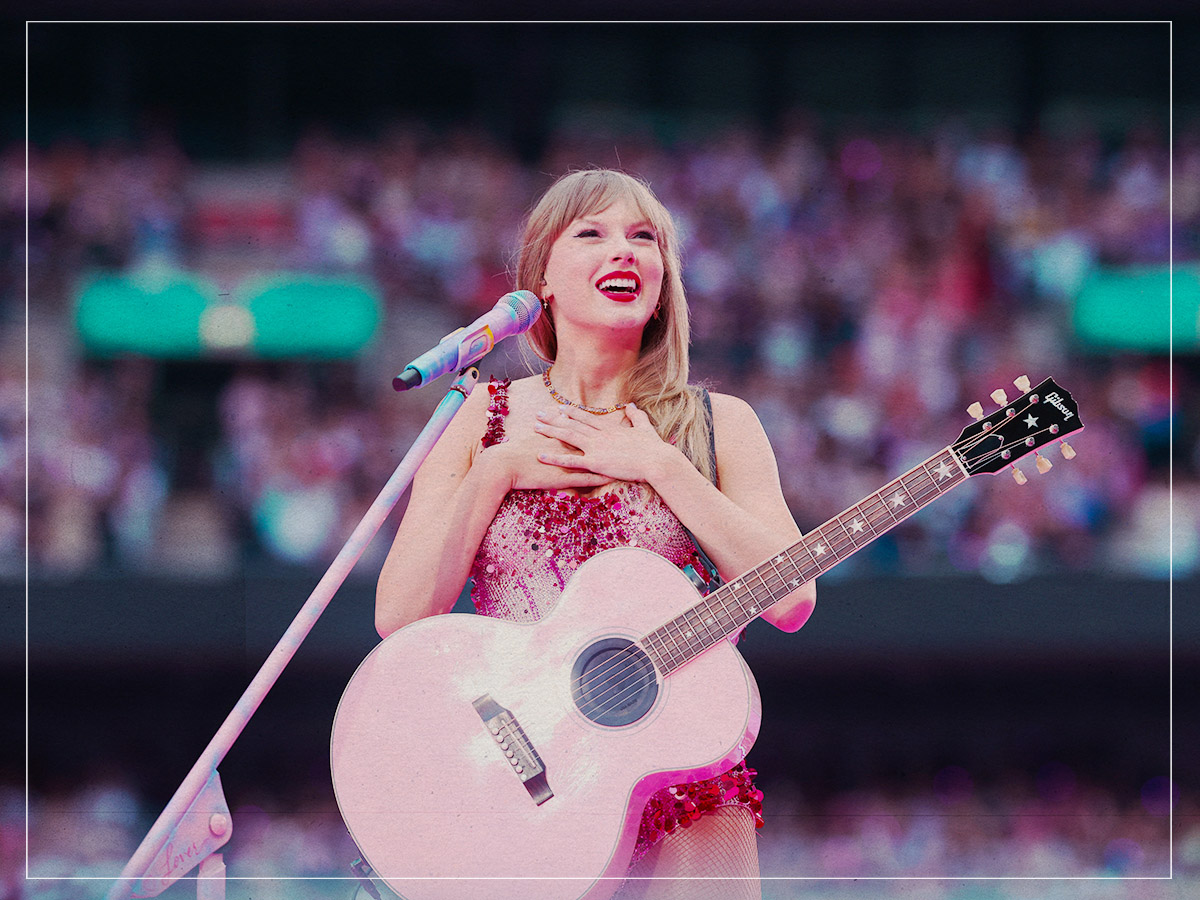
Her recent album announcement came with a pre-pre-order link that offered nothing about the album other than that it existed and would be coming out. This scenario capitalises entirely on the fanbase’s devotion to their star. Spotify’s ‘superfan’ model is another method of tapping into that revenue-driven competitive fandom.
That’s all well and good; if Taylor Swift fans can afford to give all their disposable income to a billionaire, more power to them. However, this increasingly consumerist element of the music industry risks silencing the voices of smaller, independent artists. After all, if you are duty-bound to pay a ‘superfan’ tax for your favourite artists, suddenly your pool of favourite artists becomes much smaller, as you cannot afford to pay a premium for them all. As such, megastar artists like Swift almost create a monopoly over music fandom.
Further, if a young music fan wants to pay extra for their Spotify subscription so that they can be classed as a ‘superfan’ of some megastar artist, that is a portion of their spending money that then cannot be spent on concerts, festival tickets, or the discovery of other, smaller artists who they might previously have connected with.
We are already witnessing the effects of this musical monopoly within the vinyl record industry. Despite the fact that it was independent artists and labels who kept vinyl pressing plants in operation during the format’s lull during the 2000s, many pressing plants are currently under strain to produce a seemingly endless array of variants and exclusive editions by the same major artists. There has even been evidence that major labels are often able to skip the long waitlists at pressing plants.
Small, independent artists have always been at a disadvantage within the music industry, but it now seems more difficult than ever before for an independent artist to break into the mainstream in the way that, for instance, The Smiths, New Order, or The Strokes did once upon a time.
Ultimately, though, the major music industry is going to continue trying to generate revenue from any means possible, and that could mean a world in which the only people who are classed as true ‘superfans’ are those who can afford premium subscription prices, eye-watering sums for VIP concert tickets, and a record collection of sealed, limited edition versions of the same albums.
Our only course of resistance to that world is to start actively supporting grassroots, independent music scenes and escaping profit-driven algorithms, echo chambers, and fandom monopolies wherever possible.
