


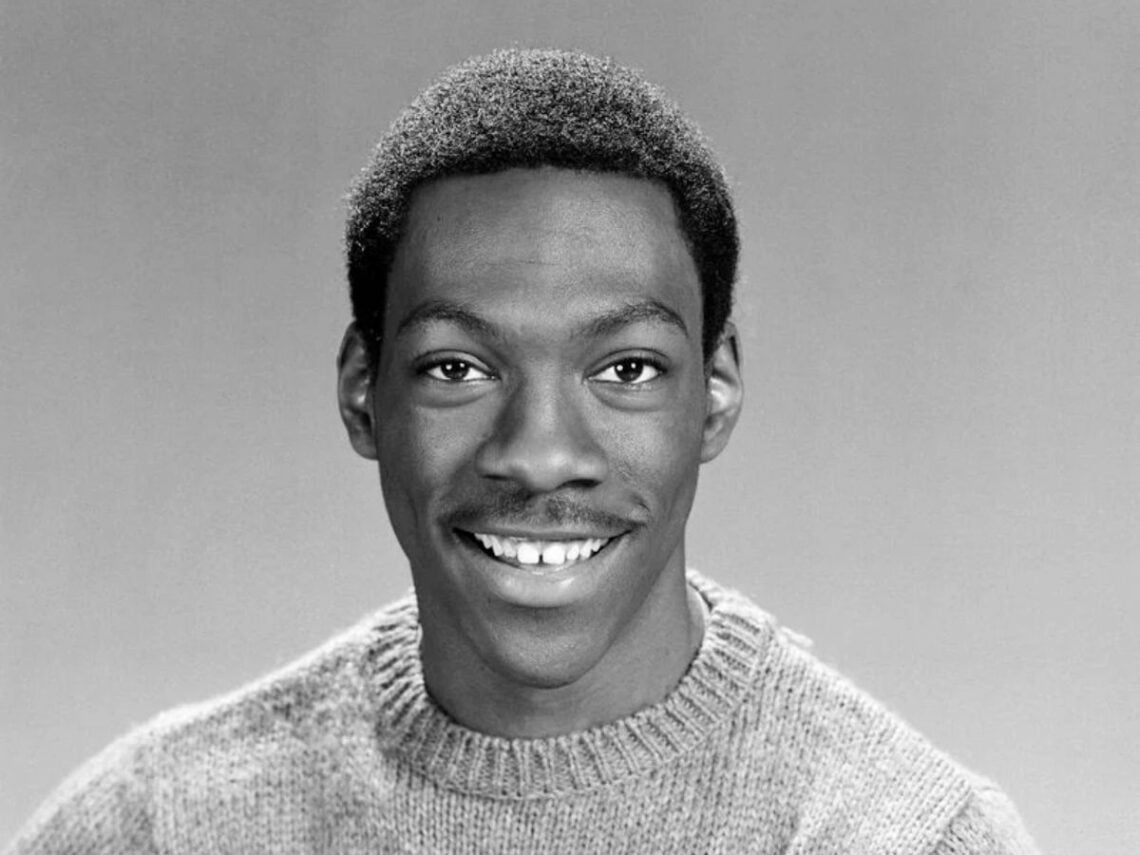
The comedian Eddie Murphy hates being compared to: “He’s the real genius”

As far as comedians-turned-movie stars go, few are as big as Eddie Murphy. Supercharged by a stint on Saturday Night Live, his star power grew to the point where he became a huge draw, fronting some of the 1980s’ biggest comedy flicks. Beverly Hills Cop, Trading Places, and Coming to America were all huge successes, and they all had Murphy’s name on them. His body of work wouldn’t always live up to these lofty standards, but, for a moment in time, he was untouchable.
Before his monumental film career began, Murphy cut his teeth as a stand-up comedian. Inspired by everyone from Peter Sellers to Robin Williams to Charlie Chaplin, the young comic devoted every waking hour to making people laugh, even skipping school to practice and attend gigs. This paid off when he joined SNL, which was experiencing its first major lull. With Murphy’s help, the show became a must-watch all over again, and the performer was on his way to achieving his destiny.
Another early inspiration for our hero was the great Richard Pryor. Murphy has often spoken about how he would listen to Pryor’s comedy albums as a young man, which helped him craft his own view on the art form. However, that doesn’t mean he wants to be compared to his teenage hero.
Speaking to Interview, Murphy explained that, while he and Pryor share some similarities in terms of their comedic stylings, their personal circumstances were very different. “He’s had a tough life. He’s been through a lot of shit I’ve never had to face,” he explained. “I’m here because of him. He paved the way for me. I grew up listening to all those albums. I heard them so much I could recite them backwards and forwards. I would sit in that basement for hours and listen to That Nigger’s Crazy and Bicentennial Nigger and go out and do stuff from those records for my friends. People call me a genius, but he’s the real genius. It was great listening to all that stuff, because it was like I knew I was doing something I shouldn’t be doing. But it was brilliant comedy.”
The early years of Pryor’s life read like a movie script. His father was a pimp and his mother was an alcoholic who abandoned him when he was ten years old, leaving him to be raised by his grandmother who ran the local brother. After he joined the army in 1958, he spent most of his time there in prison after he and a group of other Black soldiers assaulted one of their White colleagues for laughing too much at a racist scene in a film. It wasn’t until he got out of the forces and into performing that his life began to turn around.
Murphy got to realise a dream when he starred alongside Pryor in the 1989 film Harlem Nights. Unfortunately for the star, who also directed the picture, this was the moment he found out that the man he’d grown up idolising didn’t like him. That must have hit like a ton of bricks.
As flattering as it must have been for him to be compared to one of the greats, Murphy clearly has enough self-awareness to know that he and Pryor came to comedy for very different reasons.
