


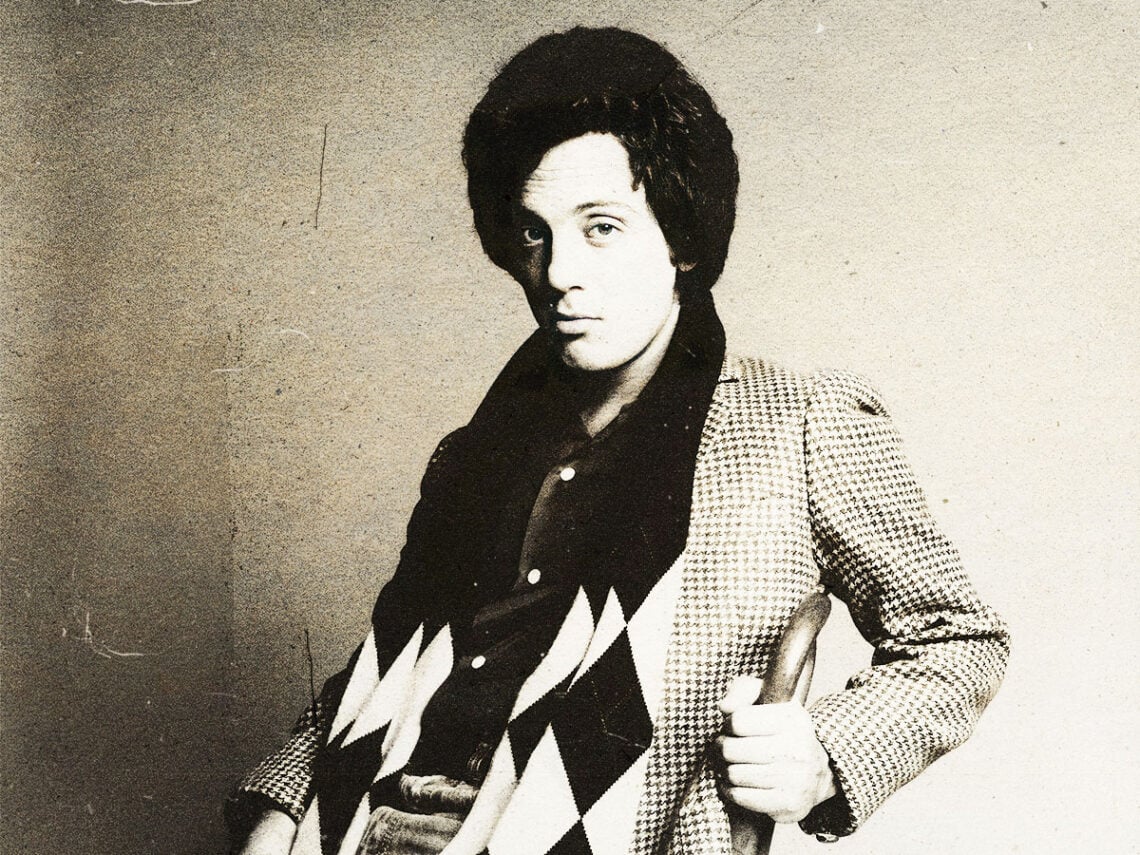
Cold Spring Harbour: The album that cause Billy Joel to disown his producer

Now, when you think about Billy Joel as the songwriting machine and stadium-filling artist that he is, it’s hard to believe that he was once a struggling songwriter who no one would listen to. In the years that he was sleeping on the floor of a laundromat, he had what he believed to be his big break when he met the producer Artie Ripp.
Lyrics were arguably their most important in the 1970s. When Bob Dylan rose to fame in the ‘60s, people understood how reflective lyrics could be and revelled in the fact that they could provide a genuine commentary on the world. It wasn’t long before the lyrics turned a lot more introspective. There was a real need for songs that spoke about topics such as love and loss and resonated with listeners.
Whenever you attempt to write such passionate songs, there is real pressure to show such music to people and put it out into the world. You lay everything bare and are ready for it to be criticised. As such, when you work with different engineers and producers on such personal songs, you are hoping that they will be able to connect with your music similarly. Joel thought he had found that in Ripp.
The plan was simple: Joel was an excellent songwriter, and Ripp was an excellent producer. Nobody knew who either of them were, and they were both broke. Combining their talent and know-how, they would create some of the best music the world had ever heard and become millionaires in the process. At least, that was the plan.
What actually happened was a lot worse. Billy Joel released his debut album with Ripp, and what should have been a momentous occasion was actually one of the worst moments of his career. He listened to the album, and the songs had been butchered to the point that they hardly resembled what Joel had initially committed to the recording sessions.
Ripp had sped up the recordings. As a result, Joel’s voice sounds higher than it should, and the songs, which should be delicate and slow-moving, feel rushed. Thanks to how the songs had been edited, listeners weren’t given time to settle into a track, and Joel was furious. The story goes that he was so angry upon listening to the album that had been released to the public that he threw it out the window.
Joel naturally was desperate not to work with Ripp again, but he had signed a deal with him. It was a tight-knit deal that saw Joel on the receiving end of complex and unfair contract law. His way out of it sounds slightly childish, but Joel was desperate, and desperate times call for desperate measures.
“On top of that, the deal I signed was so onerous, it was so terrible, it was so bad,” he said, “The only way I could get out of it was to hide. So, I moved away from New York, I said, ‘I wanna get out of here, I’m moving out’.”
Suffice it to say that after he came out of hiding and began making music once again, he didn’t work with Rapp.
