


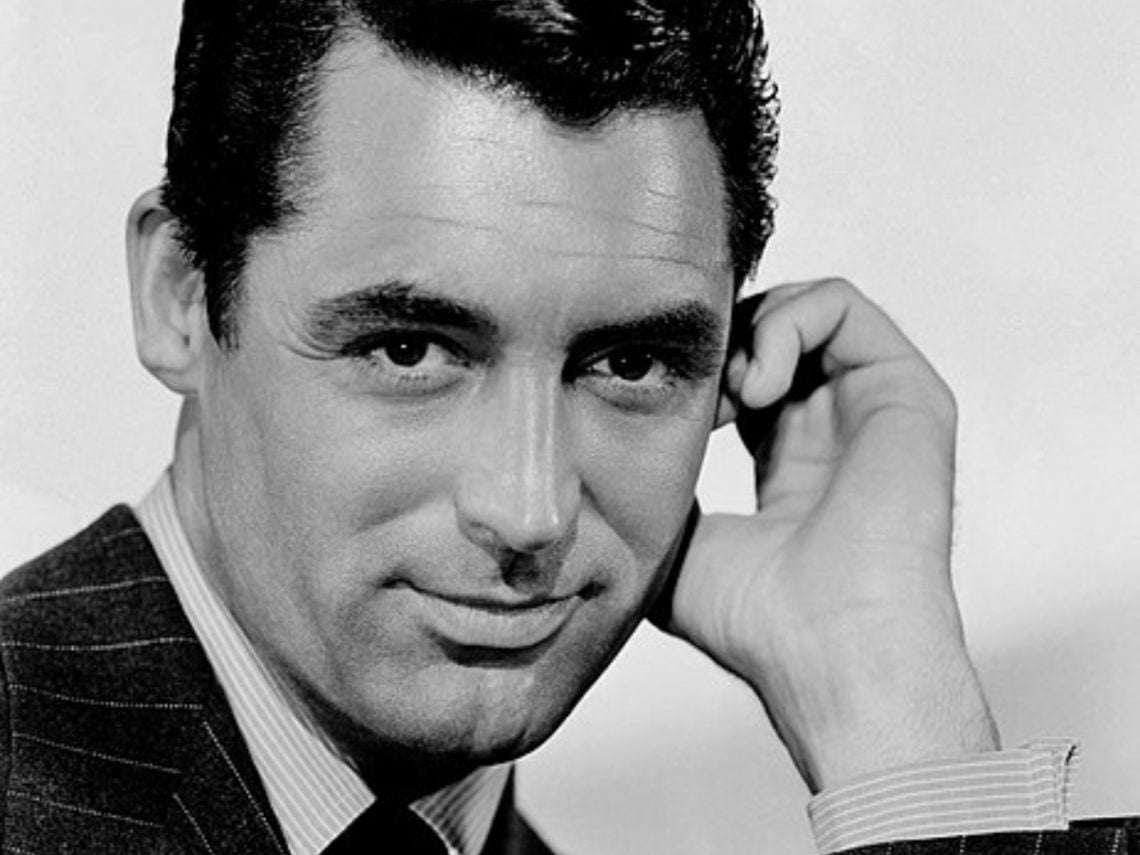
The co-star Cary Grant absolutely hated working with: “She had one big fat head about herself”

Apart from the odd exception like James Stewart or Tom Hanks, playing nice all the time won’t get anyone very far in Hollywood. Most successful actors have a ruthless side, and while Cary Grant doesn’t immediately jump out as one of them, a two-time co-star nonetheless brought out his dark side.
Of course, that begs the question as to why he’d work with them again when things had been so frosty the first time around, but the promise of working with one of the industry’s most prestigious auteurs may have had something to do with it. On the plus side, it helped give rise to one of Grant’s most famous ongoing creative partnerships.
He was already a major star by the end of the 1930s with movies like Bringing Up Baby, The Awful Truth, and Only Angels Have Wings under his belt, but the best was still to come. Unfortunately, Grant rounded out the decade with a thoroughly miserable experience that immediately soured him on Joan Fontaine.
In director George Stevens’ 1939 adventure film Gunga Din, the man born Archibald Leach leads an expedition to a secret temple made of gold while battling against the threat of an indigenous cult, which saw Fontaine play the love interest of Douglas Fairbanks Jr.
Two years later, Grant made one of his career’s smartest decisions when he partnered up with Alfred Hitchcock for Suspicion, the first of the four classic thrillers he made with the ‘Master of Suspense’. The downside is that Fontaine was cast as the female lead, and the friction between them only intensified during production.
Fontaine made history by giving the only Academy Award-winning performance in a Hitchcock flick when she won ‘Best Actress’, even if Grant never appreciated her acting style. Not only did he think her approach was a little heavy on the arched eyebrows for his liking, but he didn’t care for her at all as a person.
Whispers from behind the scenes claimed that he’d been heard privately referring to Fontaine as a “bitch,” which was at odds with his persona as Tinseltown’s most charming leading man. Whether that’s true or not, what can’t be denied is that he didn’t hold back in making his feelings on her perfectly clear.
“She was no fun on the set of Gunga Din, and she was no fun during this,” he said. “She had one big fat head about herself. It wasn’t hard to play someone who looked as if he wanted to kill her.” The feeling was somewhat mutual, though, with Fontaine sharing that she found Grant to be a touch self-centred and “only interested in himself.”
The end result was an Oscar-winning box office success that quickly took its place as a masterpiece of psychological thrills, even if Grant and Fontaine weren’t exactly on the best of terms. Still, audiences didn’t notice, so at least they didn’t let their animosity seep onto the screen.
