


How Clint Eastwood became mayor of Carmel-by-the-Sea

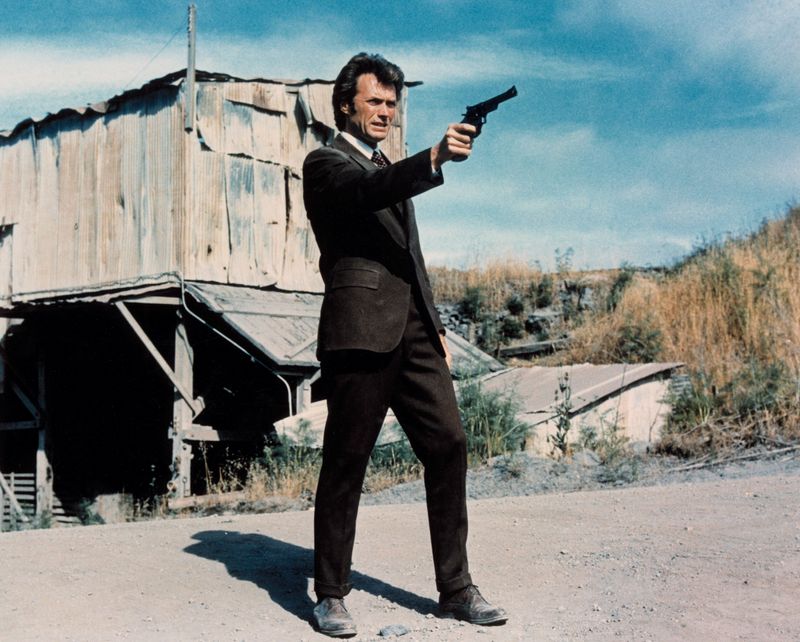
Hollywood legend Clint Eastwood made his name by aiding the little guy in classics such as The Dollars Trilogy, High Plains Drifter and Gran Torino. It transpires that his heroic on-screen nature is authentic, as once, in the mid-1980s, he became the Mayor of a small Californian city and helped the residents to move into the future.
In one of the most surreal moments of his impressive career, on April 8th, 1986, the Western legend made headlines when he became the Mayor of Carmel-by-the-Sea, a tiny coastal city in the sunshine state. With under 5,000 residents and just one square mile of land, Eastwood had settled there due to its quiet way of life and naturally beautiful surroundings.
He never intended to run for Mayor until he was forced into action. Per his own account, Eastwood’s plans to erect office blocks on a property he owned in the city were blocked by the council, who he said gave him so much stress that he decided to sue them. He won an out-of-court settlement, which permitted him to build on the proviso that he used more wood than glass.
A strange place, Carmel was stuck in the past, with development halted by the council and archaic laws. To put the situation into perspective, there were no street signs, all mail went to the central post office, and due to a 1929 zoning law that was still in effect, ice cream cones were banned from being sold.
Duly, Eastwood felt that things had to change, as he noticed a growing divide between those who wanted new businesses to boost the town economically and those clinging to the past. So, a matter of hours before the deadline, on January 30th, 1986, Eastwood ran for Mayor.
He ran on the promise that he’d cure the ill-will between the opposing sides and even called the incumbent Mayor Townsend “litigious”, vis-a-vis their previous dealings. Unsurprisingly, his A-list status and deep pockets helped his cause considerably. He spent nearly $5 million on saving the historic animal sanctuary, The Mission Ranch, from being destroyed by developers, as the city couldn’t afford to buy it back. The act crystallised his position as the city’s saviour.
In the election, Eastwood recieved a resounding 2166 votes to Townsend’s 799. As one of his first acts, he closed the planning board that vetoed the repeal of ice cream prohibition, meaning that residents and visitors could enjoy ice cream in the sun when taking in the beauty of Carmel-by-the-Sea.
During his first year in power, Eastwood constructed more public toilets and stairways to the beach and expanded the local library. He was so dedicated to the role that even when he was around the world shooting films, he’d still fly back for his weekly council meetings and even had a regular column in the local paper, The Carmel Pine Cone.
It wasn’t all plain sailing, though. As tourism increased exponentially due to the town’s iconic Mayor, the infrastructure could not cope. Physical altercations broke out over the small number of available parking spaces and the traffic blocking the city’s main road, Ocean Avenue.
However, by 1988 Eastwood knew his work was done and did not seek re-election. He told the media he needed to spend more time with his children and donated his $200 a month salary from his tenure as Mayor to a local youth organisation.

Never Miss A Tale
The Far Out Clint Eastwood Newsletter
All the latest stories about Clint Eastwood from the independent voice of culture.
Straight to your inbox.