


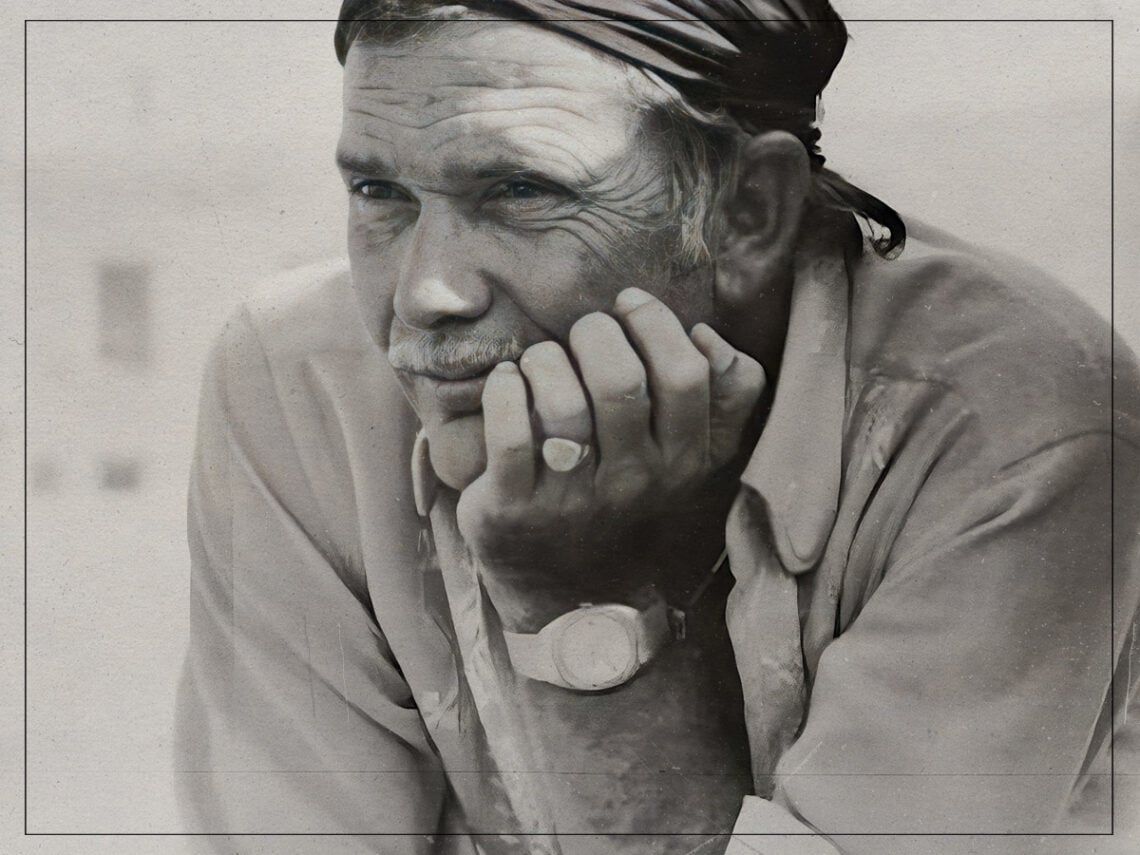
The classic movie Sam Peckinpah called “artsy-craftsy, jacksy-offsky and a real pain in the ass”

The New Hollywood era played a significant role in shaping the future of American cinema, revitalising the art form in fresh and exciting ways as a younger generation of filmmakers sought to adapt the medium in order to capture more accurate representations of modernity. Within that body of work, one director who will always stand out is Peter Bogdanovich.
Right from his proper debut feature, Targets, it was evident that Bogdanovich possessed a strikingly original artistic vision and knew exactly what he wanted to achieve as a director. The 1968 film, starring the great Boris Karloff as a fictionalised analogue of himself, conducted a brilliantly unsettling examination of the failure of old-school horror movies to keep up with the terrors of the real world, one that was populated by mass shooters and marked by senseless acts of violence.
While Targets was a fantastic debut for Bogdanovich, the movie that often gets brought up when his legacy is discussed is the American auteur’s follow-up to his first effort: The Last Picture Show. Featuring a young Jeff Bridges, it isn’t just a coming-of-age story but also a love letter to cinema itself, contextualised within the nostalgic and tragically romantic setting of an old film theatre closing down after not being able to sustain itself.
The Last Picture Show received widespread acclaim and critical praise, picking up eight Oscar nominations along the way as well as a massive box office total. However, it failed to impress another American director who couldn’t understand what the big deal was: Sam Peckinpah. According to the man who has been cited by many as one of the primary figures responsible for the revitalisation of the western genre, Bogdanovich’s sophomoric effort was just too pretentious to tolerate.
In an interview with Playboy, Peckinpah said: “I think the role of the critic is very important to films, and that’s why I get so goddamn angry when the critics don’t pick up on good films and go along with bullshit, as they did on Bogdanovich’s film, The Last Picture Show, which was a crashing bore, and ignore something like Two-Lane Black-top, which I thought was a potential work of art.”
Launching a serious attack on Bogdanovich’s work, he added: “The Last Picture Show was artsy-craftsy, jacksy-offsky and a real pain in the ass. I was supposed to have dinner one night with Ben Johnson, who was superb in it, but I knew Peter would be there, and I’d have to hit him right in the fucking mouth, so I didn’t go. I really hated that film.”
When asked about contemporary efforts that he enjoys, Peckinpah immediately responded: “My own. I make marvellous films.”
It’s strange to see the hostility that Peckinpah harboured for Bogdanovich’s movie because both of them were trying to reinvent the frameworks within which they were operating. In the end, it seems that most people disagreed with The Wild Bunch director’s opinions since The Last Picture Show is still discussed by younger generations of film fans as an important project that defined the New Hollywood era’s ideals.
