


Cinema needs to utilise anachronistic soundtracks more often

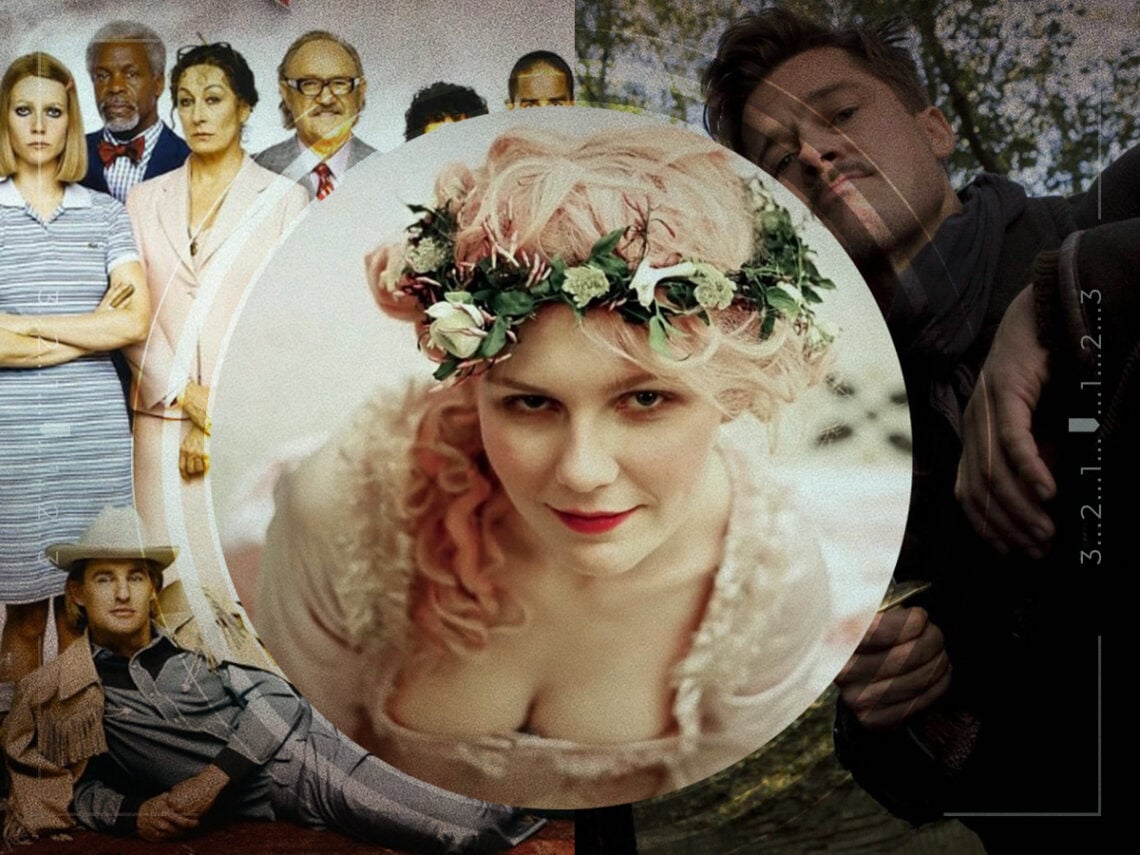
If you were to ask me to name the best anachronistic soundtrack in cinema, I’d probably pick Sofia Coppola’s Marie Antoinette.
While it might not be my favourite movie from the director, I can’t fault her choice to use predominantly post-punk, new wave, and 2000s indie within a period drama that takes place in the 1700s.
It was a bold choice to have the sounds of Aphex Twin, Gang of Four, The Strokes, and Siouxsie and the Banshees playing against a backdrop of grandiose Versailles mansion bedrooms, extravagant dresses, and opulent parties in Rococo ballrooms, but Coppola pulled it off. With her experience of making movies about the strife of young women who experience a distinctive sense of alienation, see The Virgin Suicides and Lost in Translation, the filmmaker was right at home shifting an empathetic lens on the young queen’s innocence out of touch with the real world.
At the end of the day, she was just a teenager who wasn’t interested in ruling a country; she wanted to hang out with her friends, wear nice outfits, eat delicious cakes, and go to parties. If she were alive in 2006, she likely would’ve danced around her room to ‘I Want Candy’ by Bow Wow Wow or ‘Plainsong’ by The Cure, and that’s the crux of Coppola’s use of modern(ish) music. By soundtracking her life with well-loved songs of the age bracket and subtle anachronistic insertions, like a pair of Converse, the director bolsters relatability with a 16th-century historical figure in 21st-century jargon.
A few years later, Baz Luhrmann’s The Great Gatsby emerged with a soundtrack full of modern rap and pop songs, several of which were written specifically for the film. While some were better than others (Lana Del Rey’s ‘Young and Beautiful’ is much more timeless than the hideously 2012-esque ‘Bang Bang’ by will.i.am), the use of modern music allowed the core themes of Fitzgerald’s 1925 novel to translate into the present-day lexicon. The myth of the ‘American Dream’ and the dangers of financial and hedonistic gluttony are perfectly represented through the use of grandiose songs, with Luhrmann equating the jazz age to the 2010s’ pop and rap boom.
While The Great Gatsby might not be one of Luhrmann’s best films, his use of music was certainly an innovative decision that paid off, because it doesn’t feel like he has simply shoehorned current artists into the soundtrack for the sake of commercial viability. The preoccupation with excess in The Great Gatsby matched the opulence of pop and rap popular at the time of the film’s release, so by bringing the film into a more modern context, the filmmaker was able to make a movie that resonated with newer audiences who might otherwise have seen Fitzgerald’s novel as nothing more than required school reading.
When a director brings songs from a totally different time period into their cinematic world, there’s a chance that the execution will crash and burn. Yet, when it’s done right and perfectly serves the narrative, it’s an artistic choice that demonstrates real directorial skill.
So, maybe more directors should opt for anachronistic soundtracks every so often, because a memorable soundtrack really can elevate a film to even greater heights. Think of the anachronistic music in The Royal Tenenbaums or Inglourious Basterds, it’s hard to forget needle drops like ‘Needle in the Hay’ or ‘Cat People (Putting Out Fire)’, even if, theoretically, they shouldn’t work at all.
