


‘Symbiopsychotaxiplasm’: cinema’s most playful use of the moving image

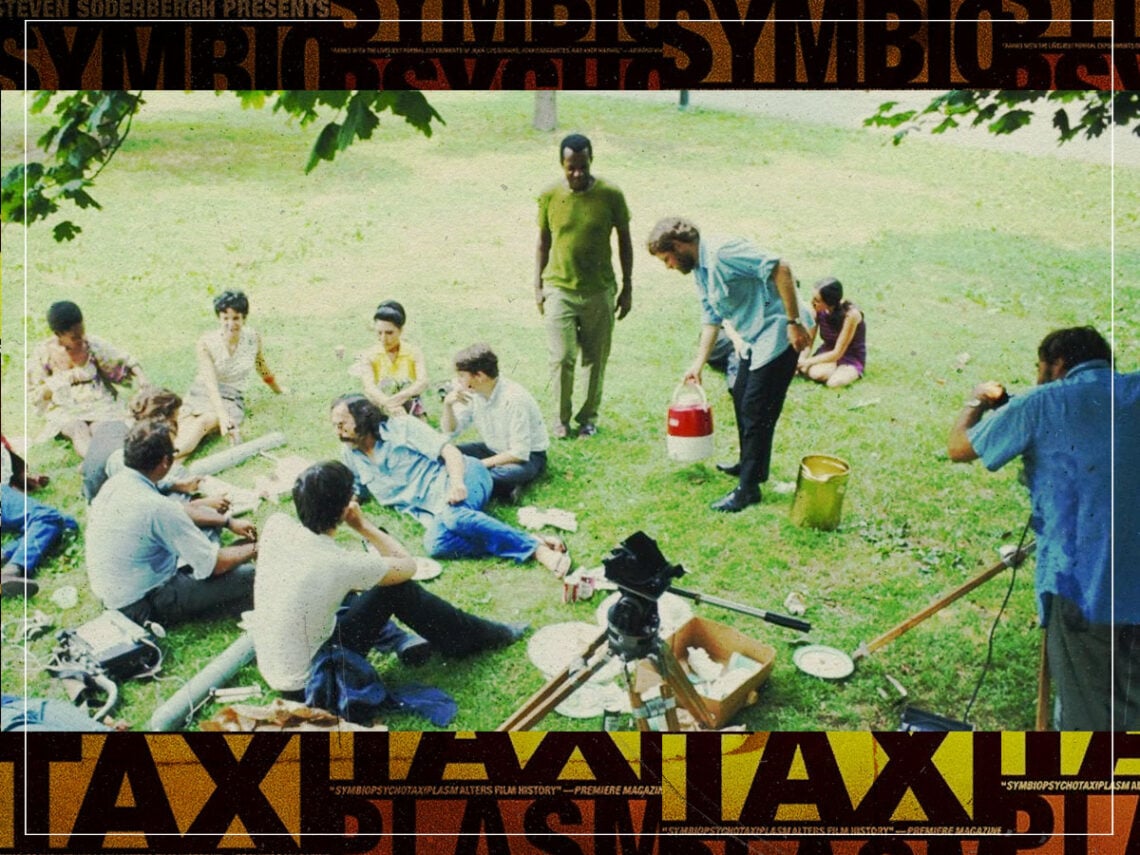
The possibilities of cinema are virtually endless. Something as mundane as a filmmaker setting up shop in New York City’s Central Park can open the doors to one of the most innovative experimental movies ever made. That’s because writer and director William Greaves was given the freedom to indulge his imagination and push the boundaries of what the moving image could be used for.
He’d always been fascinated by the acting process but frustrated with the conventions of how it was applied to film and television, which Greaves often felt as feeling forced and unnatural at the expense of the spontaneity and freedom that pretending to be somebody else should afford.
Combining that with his documentarian status, the end result was the pioneering Symbiopsychotaxiplasm, which took metatextuality several levels beyond peeling back the curtain. There were layers upon layers upon layers to the film, which began with a production and gradually revealed itself to be something the likes of which the medium had never seen before.
Blurring the lines between documentary, narrative feature, and verité, Symbiopsychotaxiplasm begins with filmmaker William Greaves shooting a scene featuring an argument between a couple, who are fictional characters being played by Patricia Ree Gilbert and Don Fellows. They are auditioning to be potentially cast as Alice and Teddy in the project.
However, there’s a second camera crew who are documenting the filming of the movie, which then reveals a third crew filming the second crew who are filming the first crew. Greaves plays a slightly heightened version of himself who becomes increasingly beleaguered as the various personnel begin to thwart his creativity as things begin to deteriorate around them, creating an intoxicating and mind-bending combination that exists somewhere between art and artificiality.
The actors playing the couple are coerced into repeating their scenes again and again. The documentary crew captures the way their very real emotions impact their performances while maintaining the illusion of Symbiopsychotaxiplasm existing just outside of reality. The third crew continues filming everything to offer a god’s eye view of Greaves’ process, all while locals innocuously wander into the frame, and the director struggles to maintain control.
At its essence, it’s a movie about the people who make movies about people making movies, and yet that still doesn’t quite do it justice. It’s surreal without a doubt, but it’s never played as an absurdist comedy or an outright farce, with Greaves instead maintaining a playful tone that comes across as having been innately difficult to master given the sheer number of moving parts in play as the minutes pass by.
He didn’t inform everyone involved about his true intentions, either, enhancing Symbiopsychotaxiplasm‘s experimental and unpredictability as his colleagues begin to question what exactly it is he’s planning to achieve, made all the more ironic knowing he was the only person fully clued up on the answer. Metafictional storytelling is all the rage these days in an age of increasing self-awareness, but Greaves did it better than most more than half a century ago.
