


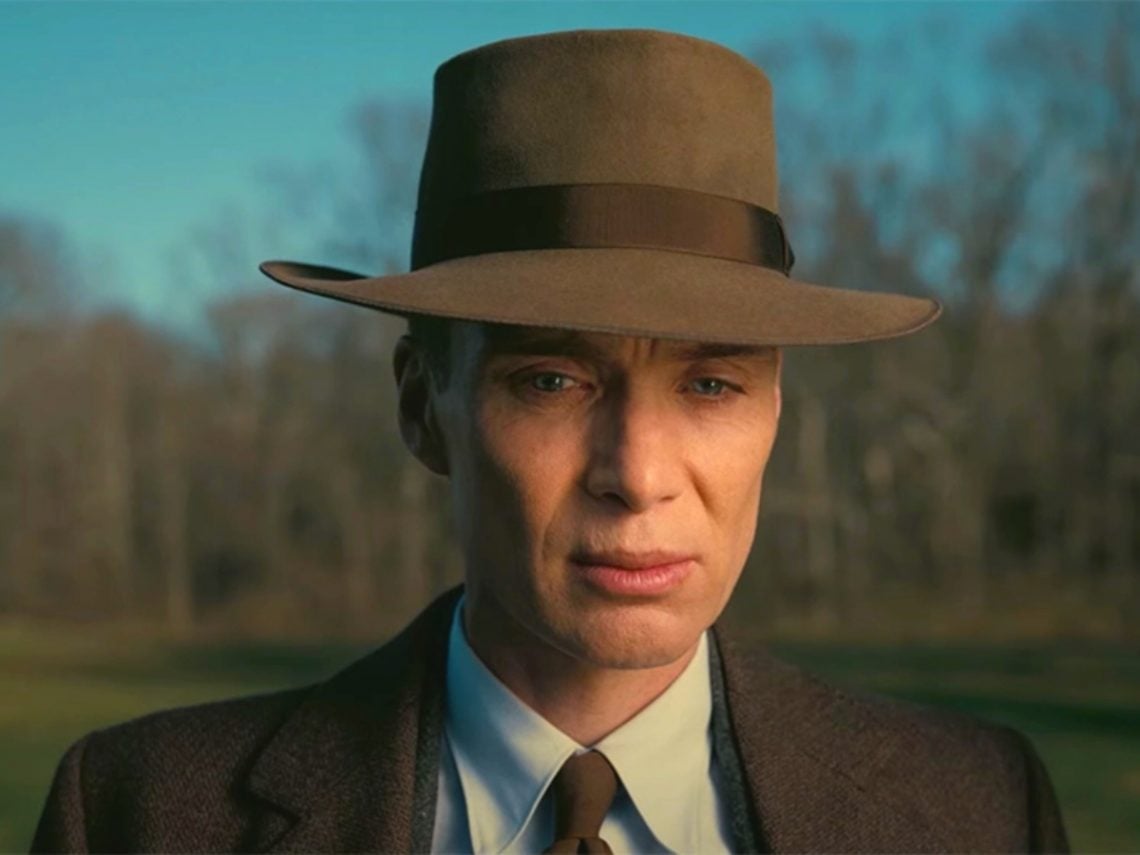
Christopher Nolan recreated nuclear explosion without CGI for ‘Oppenheimer’

Ever an opportunist to display some high-tech and thematic visuals on the big screen, Christopher Nolan favours narratives that situate extreme and innovative events, such as elaborate dream sequences, thrilling fight scenes or powerful explosions. Nolan’s preferred genres border on the psychological, crime or sci-fi, allowing these visuals to fall neatly into his work. The Interstellar director is known and praised in American cinema for his excessive and stylised CGI sequences, and he plans to go even bigger in his upcoming project, Oppenheimer.
This biographical film will star Peaky Blinders star Cillian Murphy, his sixth appearance in a Nolan picture as the ‘father of the atomic bomb’ J. Robert Oppenheimer. The plot will focus on the American theoretical physicist’s work during World War II, known in history as the ‘Manhatten Project’, which resulted in the first nuclear weapons. Additional cast members include Emily Blunt, Robert Downey Jr., Matt Damon, Rami Malek, Florence Pugh, Benny Safdie, Michael Angarano, Josh Hartnett, and Kenneth Branagh, with a scheduled release date of July 21st this year.
According to recent reports, Nolan has overcome the challenges of depicting an atomic explosion without recruiting computer-generated imagery for the anticipated adaptation of Kai Bird and Martin J. Sherwin’s book American Prometheus. This accentuates the director’s model of big-budget filmmaking under the industry’s success in blockbuster filmmaking. It also varies from its contemporary stance as a computer-generated art and entertainment form.
The biopic will showcase a sequence involving the first atomic detonation in New Mexico in July 1945. This monumental event occurred a month before the US dropped similar bombs on Nagasaki and Hiroshima, precipitating the conflict’s end and will play to the audience as one of the movie’s definitive scenes. Nolan overlooked the initial approach of CGI to reanimate this historical moment and instead looked to science to help do it physically.
“Recreating the Trinity test without the use of computer graphics was a huge challenge to take on,” Nolan told Total Film. “Andrew Jackson – my visual effects supervisor, I got him on board early on — was looking at how we could do a lot of the visual elements of the film practically, from representing quantum dynamics and quantum physics to the Trinity test itself … there were huge practical challenges.”
Nolan has expressed the time and effort it took to bring his historical vision from script to the screen, signalling trial and error in the approach. However, he has processed the extensive effort into a collective experience his crew engaged in to create a brilliant piece of biographical filmmaking.
“It’s one of the most challenging projects I’ve ever taken on in terms of the scale of it, and in terms of encountering the breadth of Oppenheimer’s story,” the Batman Begins director added. “There were big, logistical challenges, big practical challenges. But I had an extraordinary crew, and they really stepped up. It will be a while before we’re finished. But certainly, as I watch the results come in, and as I’m putting the film together, I’m thrilled with what my team has been able to achieve.”
This isn’t the first time Nolan took the authentic route to create a visually spectacular cinematic spectacle. He also employed a rotating hallway to film the climactic fight scene in Inception instead of using computer-generated imagery.

Never Miss A Scene
The Far Out Film Newsletter
All the latest film news from the independent voice of culture.
Straight to your inbox.