


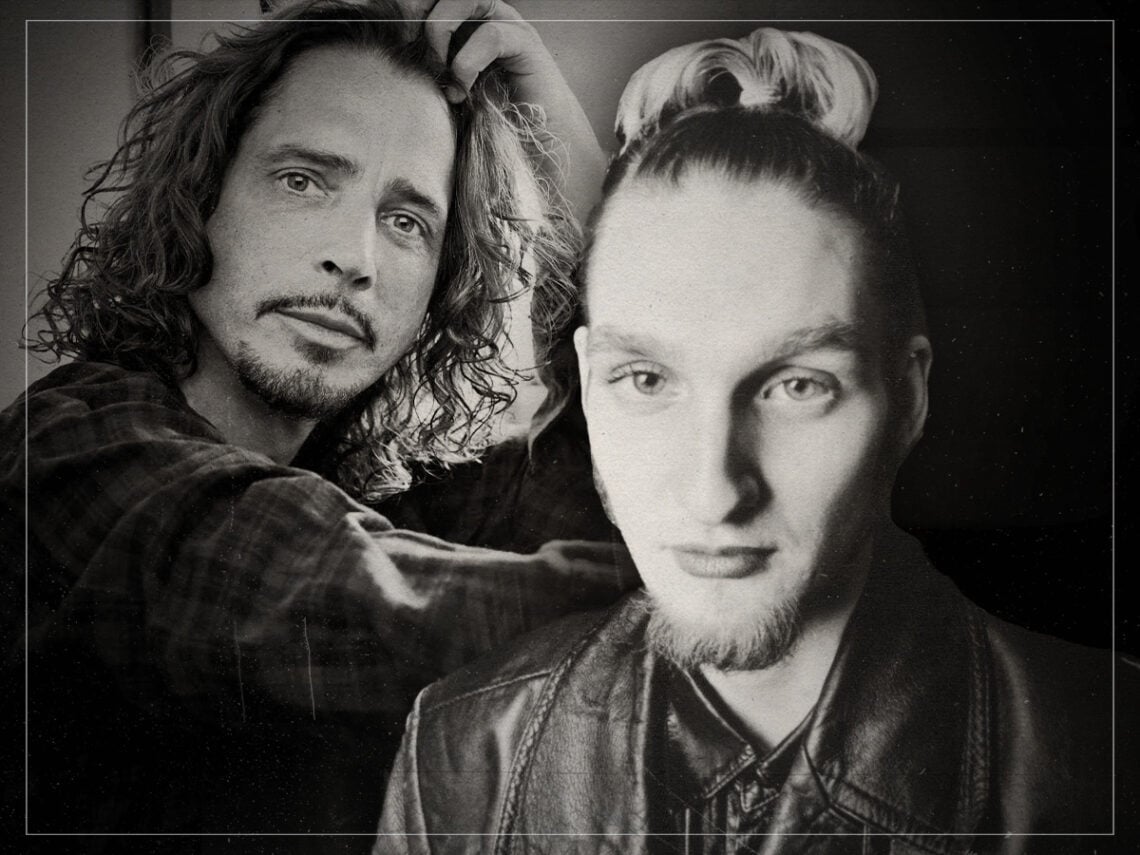
Chris Cornell regretted not helping Layne Staley: “He needed it so bad”

Dreams are like nothing else: we cannot predict them, very few of us have the power to control them, and even then, our exertions may only be half-listened to for their strange operational wandering.
They reveal the world of otherwise repressed thoughts inside, usually with some murky symbolism or surreal landscape that requires our attention in the three or four seconds we might remember them for. For Chris Cornell, vocalist, guitarist, and lyricist for the rock bands Soundgarden and Audioslave, one particular dream sent him absolutely reeling, looking back on his past decisions frantically.
In 2008, in true naughties style, he had his own MySpace blog that was beloved by all the grunge-heads, and it was on that platform he shared a night terror with his fans.
This seminal dream allowed him to time-travel to a moment where Alice in Chains frontman Layne Staley, who passed away from a drug overdose in 2002, was still alive, sitting in a café that doubled as the lunch court of Cornell’s elementary school, and about the man. He wrote, “He looked much like he did the first time I met him. Shoulder-length hair, clean-shaven. Clear-eyed and looking about 20 years old”.
The vision allowed him to momentarily stave off his grief, noting, “I was so happy. Confused a little, but in a dream like this, I just wanted to accept the idea that there was some mistake and he was alive and well. He seemed happy and said was working on some new music project.” He woke with a feeling of serenity, as if the conversation had really happened, as if his friend was doing just fine, no time lost.
In the blog, Cornell continued his multi-faceted reflection, saying he wanted to protect Staley, to hold him in a “big hug” and assure him that it would all work out for him and assuage his sadness over not doing that in real life: “I wanted to be that person for Layne, maybe just because he needed it so bad. I wasn’t. I didn’t get up in front of the room and offer that and I still regret it. No one else did either. I don’t know why.”
This lost, meandering grief wasn’t present at the singer’s funeral, but in its place lay a red-hot grief, and Cornell admitted that he was angry, listening to the same speeches so familiar from other funerals for talented people who had lost their way, just like Layne. The drab image of the service, the pathetic fallacy opening rain clouds onto the procession of black-clad mourners, was the perfect location for the dreaming frontman’s biggest reflection yet.
“Maybe I was just mad at myself because he was dead, and one time I had a chance to pick him up, dust him off, and let him know that there was a person who cared about how much pain he was in, and I didn’t do it,” Cornell wrote, “If I ever run into him in a dream again, I hope I remember to apologise.”
Perhaps he has had this chance in the afterlife; I can see them, hugging it out after all this time, speaking freely, brothers at last.
