


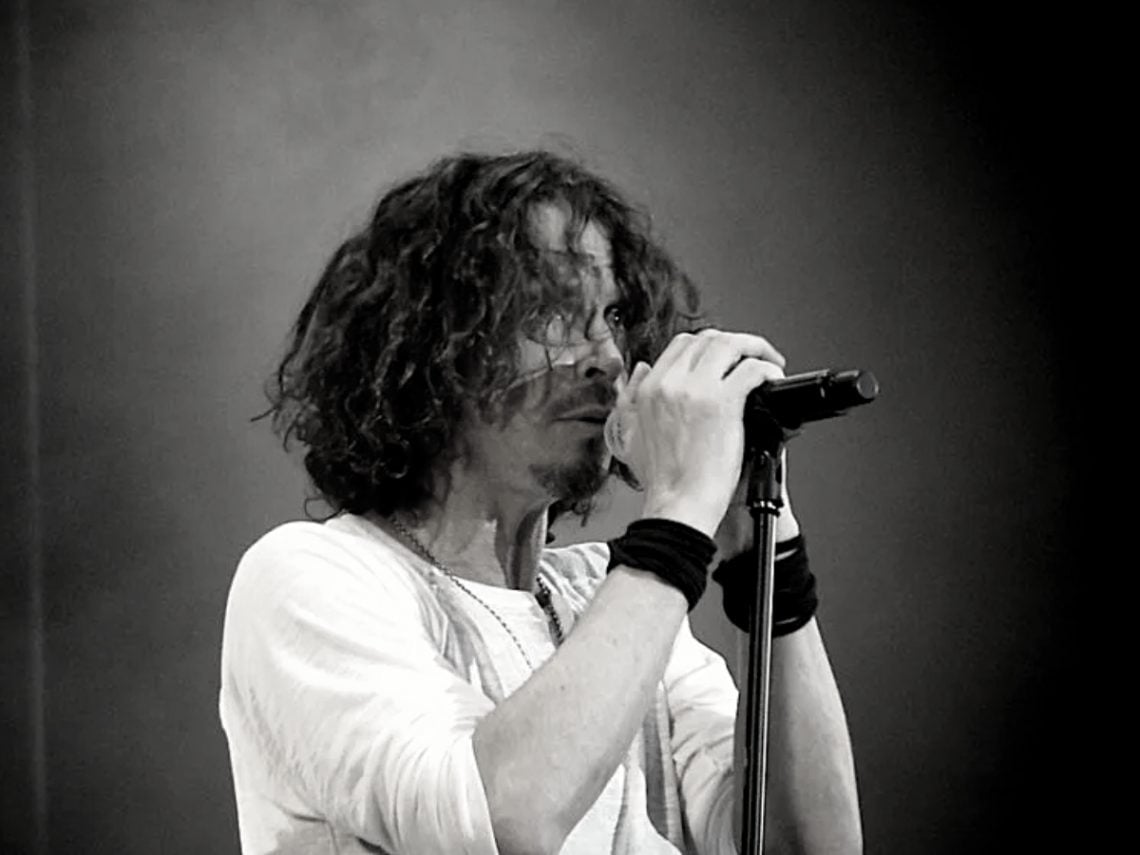
Chris Cornell’s favourite Bob Dylan album

Chris Cornell was like an AI-generated paradigm of the alternative side of the 1990s. He had a voice that could stir honey into tea from two states over, songwriting chops more mercurial than a two-year-old’s mood and a rock ‘n’ roll image so on the money that it would come up on clipart if you searched for ‘guitar player’. Through a range of various outlets, he established himself as a key figure in the grunge movement.
However, he had a sense of timelessness beyond that ragged zeitgeist that was, in part, informed by the vagabonds that came before him. “I’m not a lyric writer to make statements,” he once said, “What I enjoy doing is making paintings with lyrics, creating colourful images. I think that’s more what entertainment and music should be.” Bob Dylan’s own sense of mystique isn’t a million miles from this stance.
Dylan’s mix of escapism and introspection is something that would help Cornell get through his difficult childhood. Cornell’s rise in music may have been profound but it was a passion forever underscored by darkness. When he was only 12 years old, he suffered from depression and rarely left the house. This issue was confounded further still by the fact that he was exposed to alcohol, marijuana, LSD, mushrooms and prescription drugs which he was taking almost daily by the age of 13. This damaging mix of substances led to panic disorder and agoraphobia.
He sought solace in music, and it was, indeed, a passion that would offer deliverance and a brighter future for him. Dylan was a central inspiration throughout this journey. And one album, in particular, proved to be a companion. “My favourite Bob Dylan record is the very first one where he sings one Bob Dylan song and the rest of them are his interpretations of the Dust Bowl-era folk songs, or even going back as far as the mass influx of people coming into the US during the gold rush,” he once opined.
It’s an odd choice that doesn’t often feature in people’s thinking when it comes to Dylan, but what it does show is his strength as an interpretive performer. To some people, four chords are simply four chords, but to Dylan, they are a world of nuance and story. As Tom Waits once said of his peer: “Suffice it to say Dylan is a planet to be explored. For a songwriter, Dylan is as essential as a hammer and nails and a saw are to a carpenter. I like my music with the rinds and the seeds and pulp left in.”
Without sounding like a pastiche, Dylan’s self-titled 1962 debut seems to capture the air of timelessness that many in the Greenwich Village folk scene were aiming for but falling short of. Despite the critics batting it away as a “folly” from Columbia Records talent scout John Hammond, the album has an awesome aura of depth about it. As Cornell asserts: “His interpretations of those songs are incredible.”
In terms of its direct influence, it seems that Cornell was enamoured with the idea of an artist carving out their own myth. Both he and Dylan are alike in this respect. As Sam Shephard said of the ‘Blowin’ in the Wind’ singer: “Myth is a powerful medium because it talks to the emotions and not to the head. It moves us into an area of mystery. Some myths are poisonous to believe in, but others have the capacity for changing something inside us, even if it’s only for a minute or two. Dylan creates a mythic atmosphere out of the land around us. The land we walk on every day and never see until someone shows it to us.”

Never Miss A Tale
The Far Out Bob Dylan Newsletter
All the latest stories about Bob Dylan from the independent voice of culture.
Straight to your inbox.