


The character Stephen King called the greatest villain since Hannibal Lecter

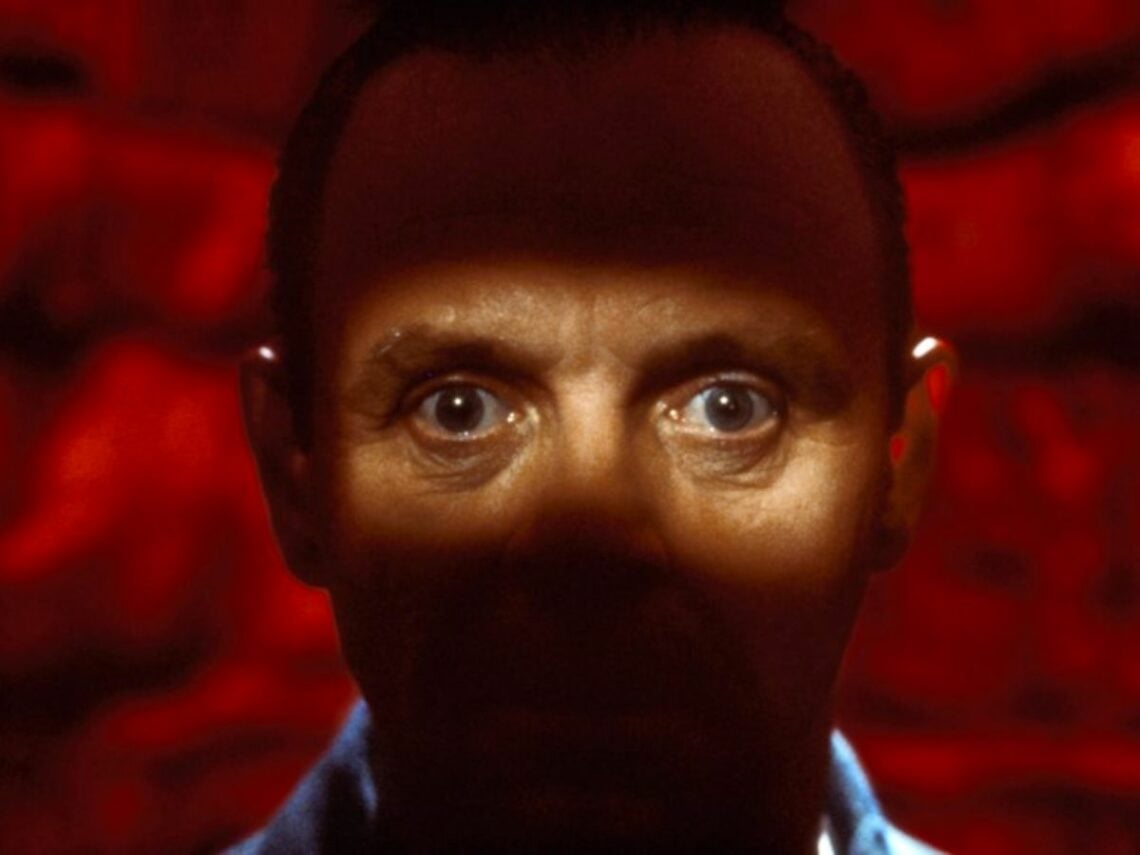
Anthony Hopkins may not have been the first actor to bring Hannibal Lecter to the screen, but he’ll always be the first to come to mind. His take on the charming cannibal is seared into the collective consciousness and has been for more than 30 years, but Stephen King was adamant a pretender to the throne had arrived under unlikely circumstances.
As one of the most prolific and popular authors of the modern era, the horror icon knows his way around a memorable villain, and he’s crafted some terrifying ones himself. His bibliography has been one of Hollywood’s favourite sources for new film and television adaptations for decades, too, so he’s well-versed in what it takes to craft a memorable adversary.
Hopkins followed in Brian Cox’s footsteps by embodying Lecter before passing the baton onto Gaspard Ulliel and Mads Mikkelsen, even if The Silence of the Lambs remains the benchmark. Thomas Harris created the character, but the British veteran breathed sinister life into the role and ensured that no matter what he accomplished before or since, the ghost of Hannibal would be impossible to escape.
The unnervingly composed psychiatrist with a taste for human flesh is an antagonist for the ages, without a doubt. However, King’s suggestion for the first fictional creation to truly rival Hannibal in the stakes of sheer evil comes completely out of left field, a feeling that’s only increased when it immediately conjures a mental image of the diminutive and largely beloved Imelda Staunton.
“The gently smiling Dolores Umbridge, with her girlish voice, toadlike face, and clutching, stubby fingers, is the greatest make-believe villain to come along since Hannibal Lecter,” King wrote in Entertainment Weekly. “One needn’t be a child to remember ‘The Really Scary Teacher’, the one who terrified us so badly that we dreaded the walk to school in the morning, and we turn the pages partly in fervent hopes that she will get her comeuppance, but also in growing fear of what she will get up to next.”
The writer’s appraisal came after he’d read Harry Potter and the Order of the Phoenix and years before the feature-length movie had been released, but he was on the money as usual. Staunton’s performance was a highlight of the movie, and she embraced the character to such an extent that Umbridge quickly became one of the most detestable figures in pop culture.
A teacher and government representative in a fantasy world doesn’t exactly have a great deal in common with a psychiatric professional who’d developed a thirst for murder and mayhem, but King found them equally terrifying. Readers may or may not agree, but the prospect of seeing Staunton’s Umbridge and Hopkins’ Lecter team up to wreak havoc would be more than enough to leave the author in desperate need of clean underwear.
