


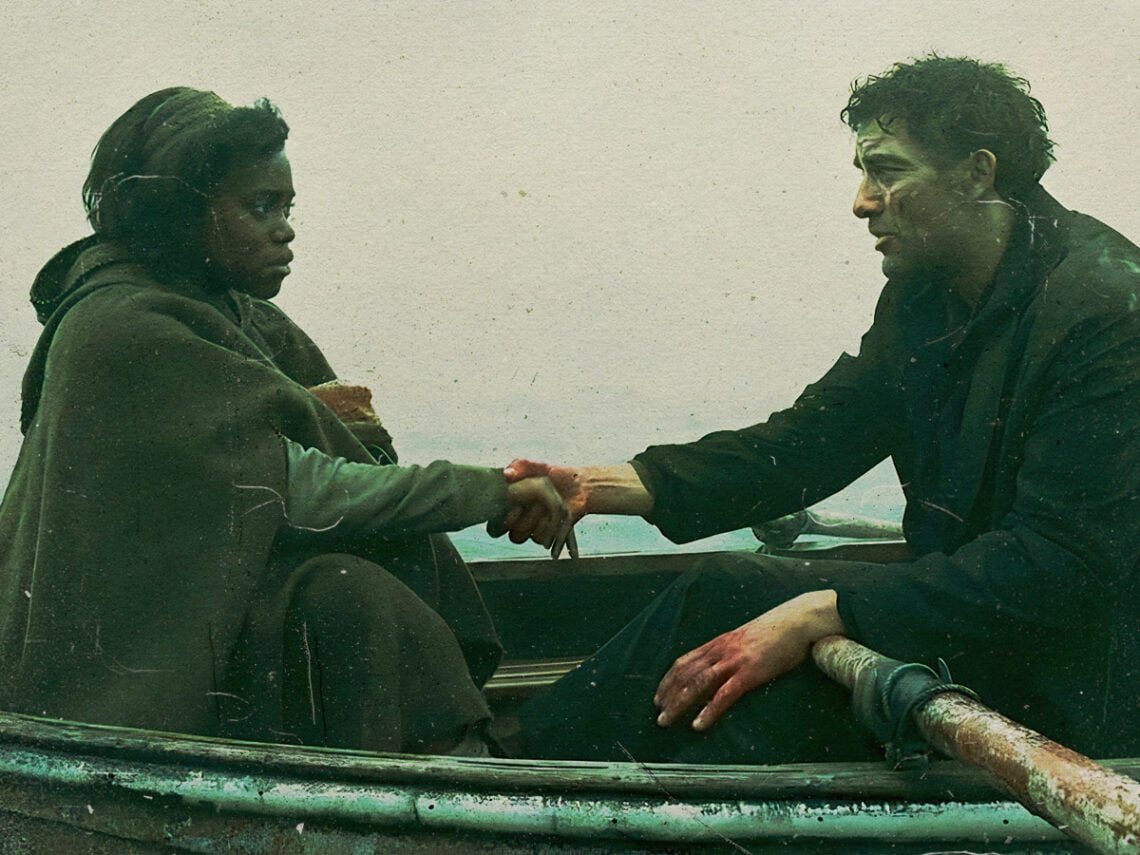
What causes the infertility in ‘Children of Men’?

Children of Men, the 2007 dystopian film by Alfonso Cuarón, paints a grim picture of humanity’s future. But what exactly causes the bleak circumstances depicted in the movie? At the narrative’s core is a unique form of apocalypse, not brought about by nuclear war, rampant AI, or alien invasion – but by human infertility.
In the world of Children of Men, no child has been born for 18 years. The youngest person, ‘Baby’ Diego, dies at the age of 18, marking a bleakly symbolic moment that intensifies the worldwide terror. The inability to reproduce has caused a profound existential crisis for humanity, forcing people to confront an imminent future where humans no longer exist.
The repercussions of this infertility are multifaceted. On an emotional level, the world has sunk into despair. Without the hope and innocence that children represent, many are driven into a black, purposeless, suicidal depression. Others vent their rage and cause societal chaos, with governments collapsing and extremist groups rising in an attempt to restore order or exploit the situation – best seen in this electrifying car-chase scene.
Britain, where the film takes place, is one of the last functioning governments – but it too has taken a dark turn. To maintain some semblance of control, the government becomes totalitarian, enforcing strict immigration laws and committing human rights abuses, especially against refugees termed “fugees”.
These refugees, attempting to find solace or even a sliver of hope in one of the last standing governments, are instead met with oppression. All around, things don’t look so hopeful. But what was it that caused the infertility?
Why is everyone sterile in Children of Men?
Just as there isn’t a single reason for some of today’s most pressing challenges, the movie suggests that the roots of such a profound crisis could be multifaceted. Cuarón deliberately chooses not to single out a specific reason because if there were an overt cause, the whole story would be about addressing that particular issue rather than saving Kee – the miracle woman who’s managed to get pregnant.
Nevertheless, there are several hints, and looking back at the source material can provide intriguing insight into its meaning. Cuarón’s film is based on the 1992 book The Children of Men, written by English author P.D. James – and it has an overtly more theological hue to it. A huge emphasis is placed on christening newborns. Obviously, with an infertility pandemic, no children are being born. In the book, however, this leads people to cherish puppies, kittens and other newborn pets, treating them as human babies and even pushing them in prams. Cuarón made the movie more concerned with 21st-century issues like inequality and immigration. Nevertheless, there are moments where religious characters refer to it as ‘divine intervention’.
P.D. James was a Christian herself, and many believed the book to be a Christian parable. By including these moments in the film, it seems that Cuarón is very subtly nodding to the theological explanation: God has decided to put the breaks on the human population, and it takes a new messiah (whether that be Kee, her baby, or her protector) to restore human sacrality.
