


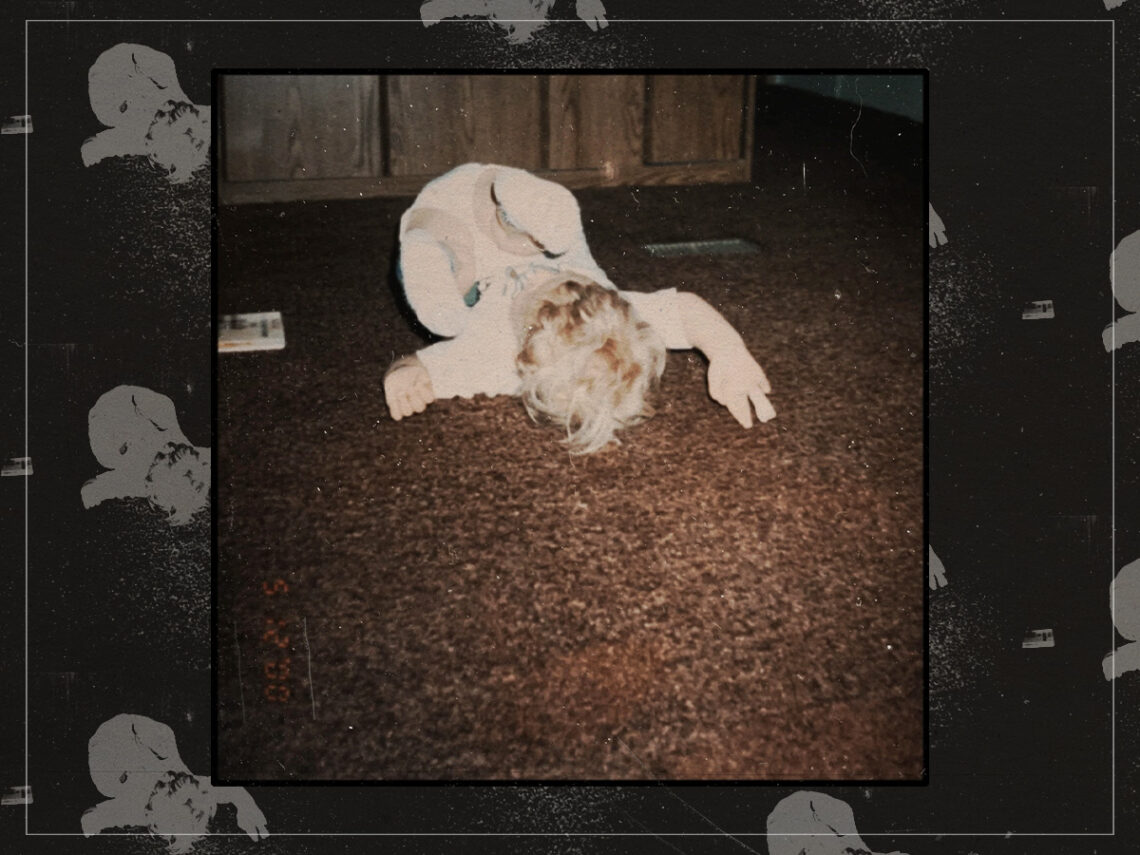
‘Carpet Bed’: Revisiting Ethel Cain’s complex debut

Ethel Cain didn’t immediately emerge as Ethel Cain. Instead, it took years and several different projects and aliases for Hayden Silas Anhedönia to craft the character. But it’s more than just that. As well as being the protagonist whose story is told on Preacher’s Daughter, Ethel Cain is an energy, an aesthetic identity and a merge of sonic influences. It’s a whole package, and it first began to emerge on Carpet Bed.
But even Carpet Bed wasn’t really the first. Long before this, Anhedönia was active, and her cult of fans was growing. They had to chase her around, though, as her name kept shifting, popping up across Soundcloud and Tumblr with different pseudonyms but the same recognisable sound, whether it was under Atlas, White Silas, Miss Anhedönia, אשמדאי or simply Tommy. In 2019, though, a lot of those prior accounts were wiped and deleted. One remained: Ethel Cain.
As time went on, the songs would become more and more tethered to that character. Anhedönia talks about almost feeling possessed by Cain, especially when making Preacher’s Daughter and laying out the tragic life of the namesake in song. It’s bigger than that album, too, as she’s prepping to release the prequel to the story, has hinted that more songs are to come in this narrative world about Cain’s family, and has even said before that she’s working on a novelisation of it.
Cain came to her like a kind of ghostly apparition and has haunted her work since, but Carpet Bed feels different, like the door opening between Anhedönia’s own work and the story she was being somewhat called to tell.
None of the songs on Carpet Bed were new, really. Most of them were, at some point and under some moniker, shared as a demo. Sometimes they were shared as several demos with her followers watching these songs take shape throughout 2018 and 2019. But beyond that, little to nothing is known about the process of actually making the EP. We know Anhedönia herself wrote and produced it, recording all the songs as acoustic numbers before she had the capability to make the epic songs that populate her debut. We know they were recorded somewhere between 2018 and 2019, likely just at home. But that’s really it. Largely, it’s a mystery.
But there are a lot of clues to find. In the demos before this moment, the Ethel Cain aesthetic has been coming together as Anhedönia’s southern gothic influences from her childhood. Her fascination with small-town life in strict religious areas and exploration of more taboo or traumatic topics within that setting were all there. But Carpet Bed begins to feel like the start of a larger story.
The sad innocence of ‘Growing Pains’ feels akin to the recent teaser tracks for Willoughby Tucker, I’ll Always Love You, as if Anhedönia already had a thorough idea of this character’s story beyond what would be the debut. ‘Dog Days’ toxic romance starts to take the same shape as the love written of in ‘Western Nights’ or the gory end of ‘Strangers’, as she sings, “Cut me up and take me like the bread and blood at church / Love’s never been more than pain, so baby, show me how bad you hurt”, before ending with a familiar reprise of “I’m no good”.
‘Antlers’ certainly feels like a clue, too, as Cain begins to unpack a family dynamic which would become a major theme. “Daddy, there’s pain in your smile / I’ve never seen you so dark,” she sings, which provides a perfect introduction to the cruel father on Preacher’s Daughter.
There is no real narrative, though, only ribbons of ideas that the artist seemed to take from this moment forward and start weaving with, exploring them further on her other EPs before finally having a full and finished tapestry by 2022 and the release of her storytelling opus.
