


‘Canned Heat’: the music video that defined 1999

When The Buggles’ ‘Video Killed the Radio Star’ became the first music video to ever be aired on MTV in 1981, a few people may have predicted that this was the dawning of a new era whereby all popular songs needed to have an accompanying visual to go with it, but very few could have envisioned it being something that would last as long into the future as it managed to.
While certain formats of physical media became obsolete with the advent of new technologies, with the shift from vinyl to cassette and CD to digital downloads and streaming being a prime example of the ever-changing landscape, music videos have somehow managed to survive over time. Arguably, they’ve become even more popular over the years, with platforms such as YouTube being more accessible than cable-only music channels were during their heyday, and the most popular videos being watched by more than a billion people worldwide.
‘Video Killed the Radio Star’ may have been rudimentary in its presentation, but when people recognised just how true the words of the title were, record executives began putting more money behind their artists for them to create more elaborate short films to accompany their single releases. By the end of the 1990s, music videos were becoming so ostentatious for what was essentially a four-minute trailer for a song, and the world was becoming inundated with these iconic visual accompaniments.
1999 was arguably a year when music videos hit both a creative and commercial peak. Not only were people watching said visuals with a knowledge of the performing artists, but some were even becoming familiar with the directors behind them and all of their stylistic quirks. Fans will hear the name Chris Cunningham and know that he was the man behind the cyborg erotica imagery for Björk’s ‘All Is Full of Love’, and can pin the name Michel Gondry to the kaleidoscopic practical effects made for the Chemical Brothers’ ‘Let Forever Be’ video.
When not visually ground-breaking or making use of the latest digital enhancements, they were becoming more zany in nature. Take, for example, the story of an anthropomorphic milk carton who goes searching for a missing Graham Coxon in Blur’s ‘Coffee & TV’, or the cartoonishly long-limbed bodies of Supergrass that appear in the video for ‘Pumpin’ on Your Stereo’, and you’ll recognise that these were both prime examples of a style that was typical of 1999. Want to make the video even more memorable? Why not take a leaf out of Foo Fighters and Beck’s books and cast Jack Black in a leading role, as they both did for ‘Learn To Fly’ and ‘Sexx Laws’ respectively.
As a four-year-old, I would wake up on a Saturday morning, and instead of scarfing down Marmite on toast in front of Dexter’s Laboratory, I’d be soaking up whatever MTV or VH1 had to offer me. While I now realise that this compulsion was more a result of a then-undiagnosed neurodivergence than it was anything to do with thinking music videos were a superior form of entertainment to cartoons, all of these videos have been burned into my mind’s eye, and I’ve come to realise that they now represent a golden period of the art form.
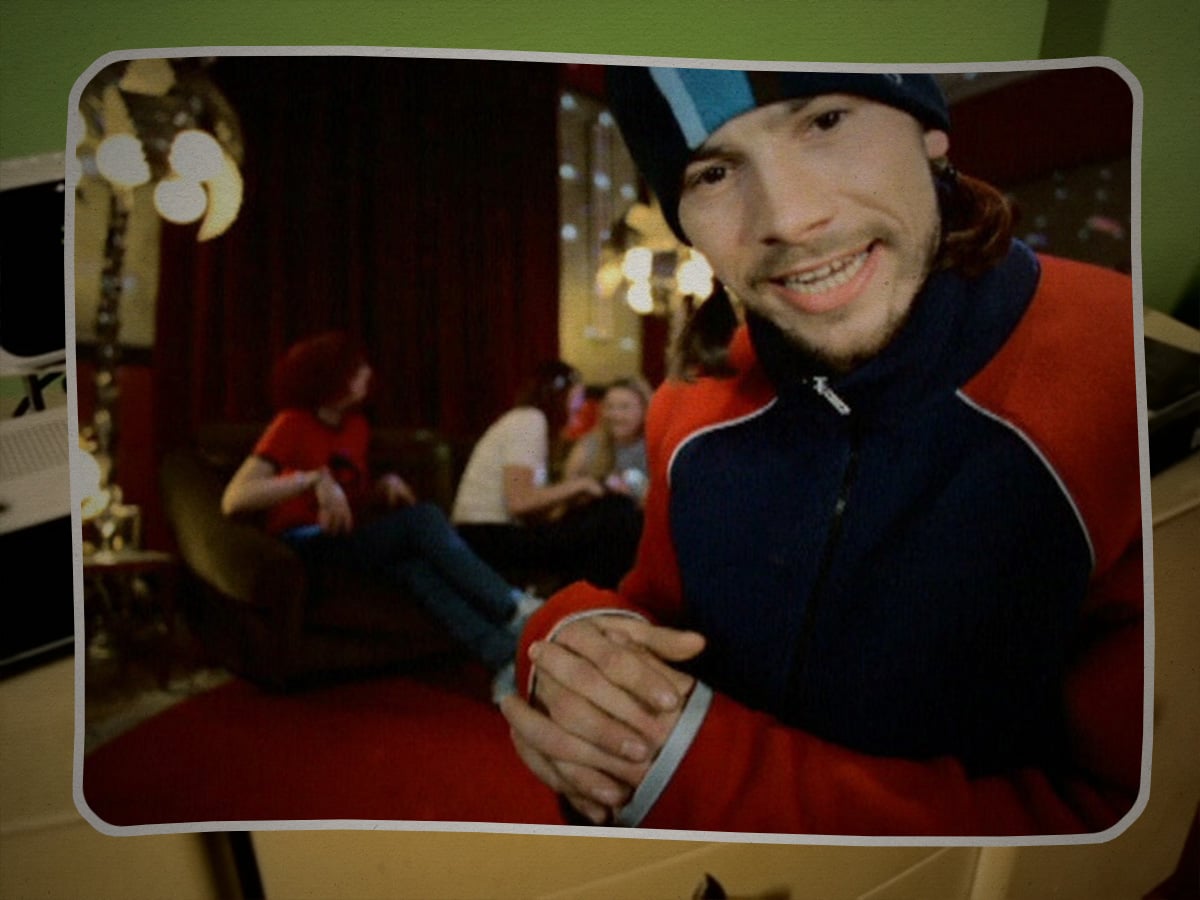
However, as masterful, goofy or Jack Black-loaded as these videos were, nothing quite encapsulates the music video climate of 1999 as much as Jamiroquai’s ‘Canned Heat’; a video that combines both ludicrous concept and visual effects that were considered cutting-edge for the time, all held together by the almost charmingly buffoonish presence of vocalist and dancer, Jay Kay.
Having already proven himself as a dominant force in the world of music videos with the Jonathan Glazer-directed ‘Virtual Insanity’ back in 1996, which featured him sliding around a modestly-furnished white room while wearing an egregiously large hat, Kay and his band decided to up the ante for their comeback single, showcasing his ability to gyrate and glide around multiple rooms and phase through walls.
Every cliche one can possibly imagine taking place in a single music video is shoehorned into at least one shot of ‘Canned Heat’ by director Jonas Åkerlund, who was at the time best known for his award-winning efforts on Madonna’s ‘Ray of Light’ and the controversy-courting visuals of The Prodigy’s ‘Smack My Bitch Up’. While ‘Canned Heat’ arguably doesn’t live up to either of these previous efforts, it deliberately makes itself as obnoxiously of its time through the myriad tropes it leans into.
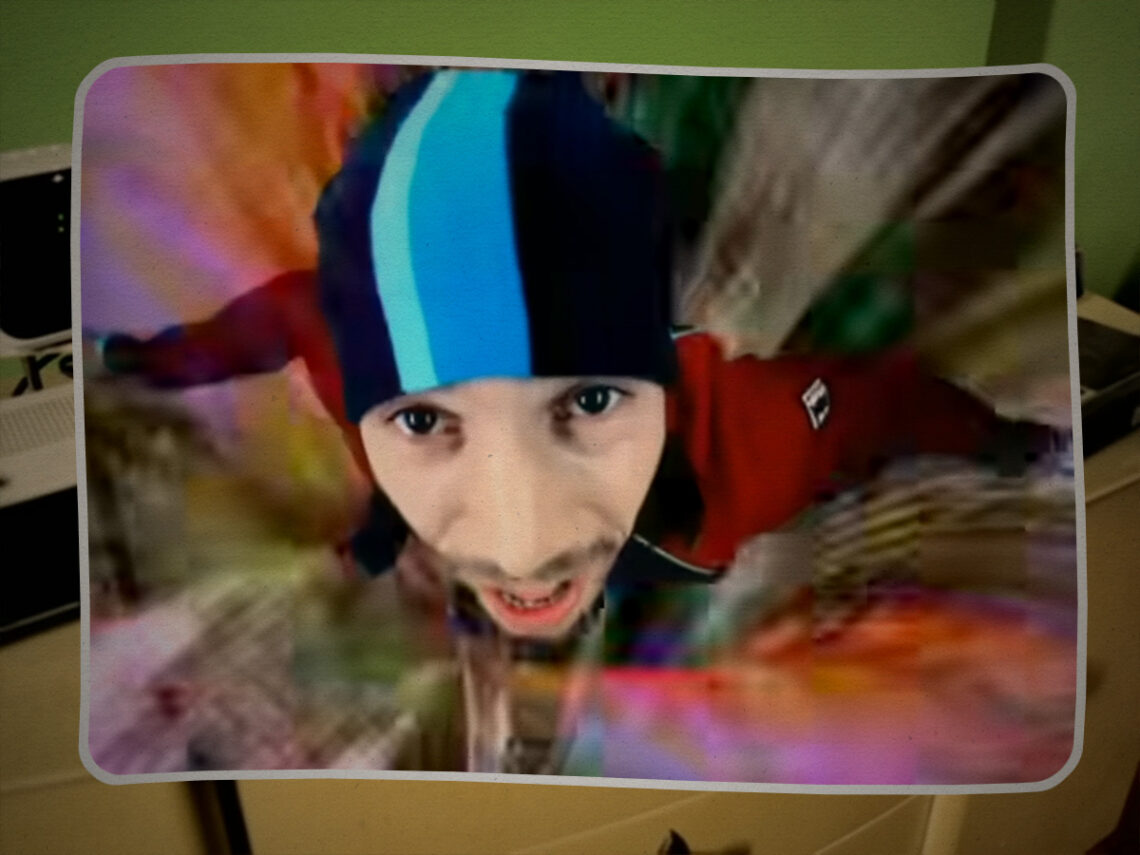
Kay, who has always fancied himself as a modern-day funk deity and, let’s face it, always fancied himself generally, is positioned as the central figure of the video, demonstrating more elasticity in his appendages than Stretch Armstrong as he slinks through every scene. The way he gymnastically thrusts himself through liquified walls into each new setting feels ripped from a schlocky sci-fi flick of the period, with him even nosediving into a television set at one point and slithering through a tunnel of static to reach his next destination.
Does it manage to have a gratuitous sex scene? Of course it does. A sex symbol? Uh, kinda. A visually loud aesthetic that wants to ram itself into your consciousness for four minutes? You fucking bet. ‘Canned Heat’ is so unapologetically 1999 that it makes the parties Prince hypothesised about 17 years prior look a mile off the mark, and while it’s not the greatest visual masterpiece of its time, it is of its time, and is proud of it too.
Yes, the talent show scene in Napoleon Dynamite may have put the song to a more iconic dance routine, if only in the sense that Jon Heder’s gawky moves as the titular character are more endearing than Kay’s incessant smugness, but if I’m to cast my mind back to my Marmite-filled MTV binges, nothing screams 1999 louder than Åkerlund’s video for ‘Canned Heat’, and its forced ubiquitousness means that for better or worse, it’s one of the first videos I think of from this period.
