


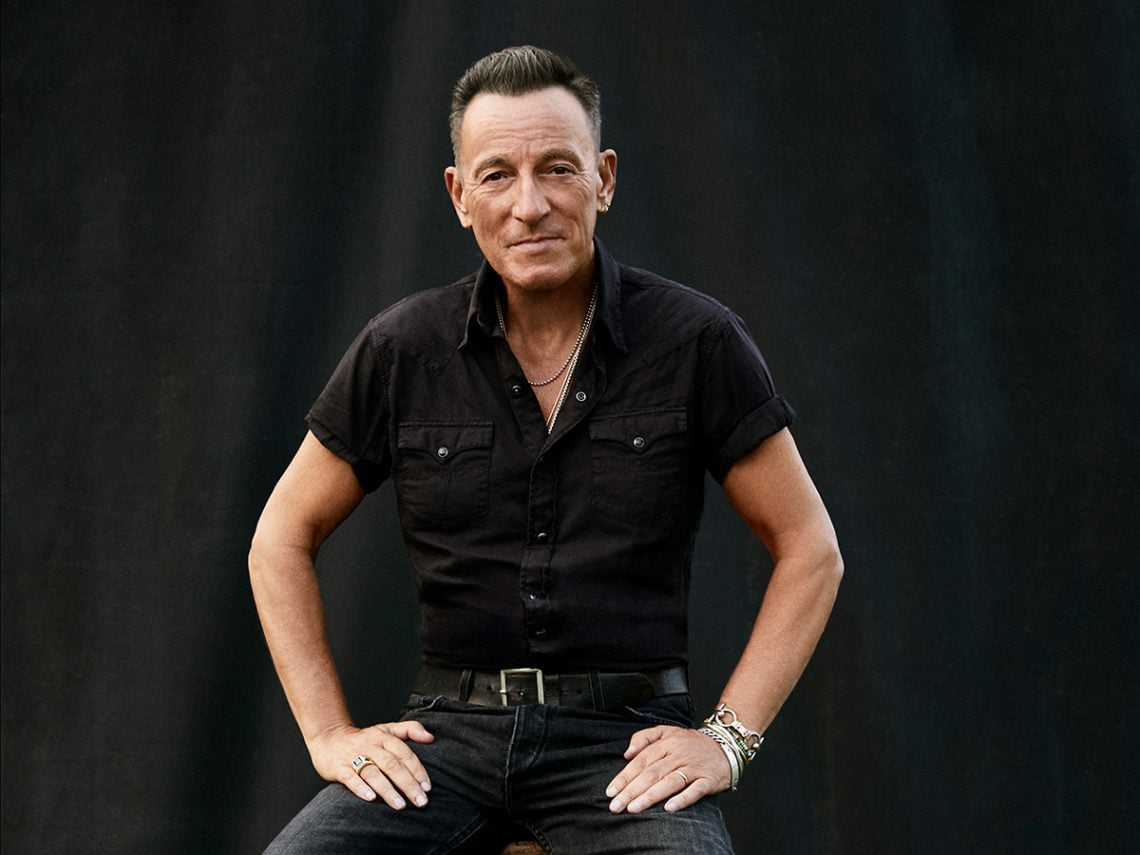
Bruce Springsteen plays the hits on new soul cover album ‘Only The Strong Survive’

Bruce Springsteen has nothing to prove to you lot. The 73-year-old rocker has done just about everything that a legendary musician can do: land number one albums, tour the world, be a massive player in pop culture, and get inducted into the Rock and Roll Hall of Mediocrity. In fact, the only thing Springsteen doesn’t have to his name is a number one single, and you know what? I wouldn’t count him out just yet. He’s as popular as he’s ever been, and in the streaming age, why couldn’t Springsteen get a late-career number one?
At this point, it’s OK for Springsteen to just do whatever the hell he wants. His legacy is secured, his most famous songs are already owned by someone else, and he’s beloved by just about everyone who has ever heard him. So when Bruce Springsteen says he wants to record an entire album of classic soul covers, who is going to tell him no?
Here’s the thing, though: Springsteen might have been building up to this his entire life. Anyone who has witnessed Springsteen at his best (which is to say, live and in person on stage) knows that the singer mines judiciously from the wealth of songs, stage patter, and tricks utilised by great soul musicians. Springsteen passes the smell test with his live covers as well: ‘Shout’ by the Isley Brothers, ‘(Your Love Keeps Lifting Me) Higher & Higher’ by Jackie Wilson, and his legendary ‘Detroit Medley’ of ‘Devil With a Blue Dress On’ and ‘Good Golly Miss Molly’.
So that means his new album of soul covers, Only The Strong Survive, should be right within Springsteen’s wheelhouse. The only problem is that Springsteen usually surrounds his soul covers with the spontaneity and excitement that only the live setting can provide. Once he enters the studio, all that energy must be manufactured, dialled in, and obsessed over until the result is perfect. That puts Springsteen at a disadvantage right off the bat.
Also working against him is Springsteen’s decision not to use his legendary backing group, The E Street Band, during the album’s recording. Instead, Springsteen chooses who he wants from his band, which is restricted to The E Street Horns and backing vocalist Soozie Tyrell. As a ringer, Springsteen brings in some soul professionals, including two fiery duets with iconic Sam & Dave singer Sam Moore (more on that in a second).
Despite setting himself up for a mediocre finish, Springsteen comes through with the goods on Only The Strong Survive. Perhaps most essential to the album’s success is Springsteen’s song selection. There aren’t any immediately recognisable tunes, not unless you’re an R&B expert. Springsteen and Moore don’t duet on ‘Soul Man’ or ‘Hold On, I’m Coming’, even if that’s what audiences probably would have called for.
Apart from The Supremes’ classic number one hit ‘Someday We’ll Be Together’ and The Commodores’ top five hit ‘Nightshift’, most of the songs on Only The Strong Survive were picked because of Springsteen’s love of them, not because of any name recognition. That love can be felt the second that Springsteen opens his mouth on the album’s title track. Full of gravitas, Springsteen monologues with an easy casualness before kicking into the song properly.
There’s nostalgia all over Only The Strong Survive, from Springsteen’s ruminations on the past to mentions of lost love. It would be self-indulgent if Springsteen weren’t having so much fun. When paired up with Moore on ‘Soul Days’ and ‘I Forgot to Be Your Lover’, Springsteen gladly steps out of the spotlight to let one of music’s living legends belt out songs with his golden voice still intact.
Musically, Only The Strong Survive suffers from a general sense of malaise. Most of the songs are at least slightly under tempo, stripping them of the necessary energy to keep the album afloat. Songs like ‘Do I Love You (Indeed I Do)’ and ‘Hey, Western Union Man’ need an extra kick for them to really kick off, and subsequently, the uptempo numbers tend to fall flat.
Even worse is when Springsteen decides to just hang out in the middle of the road. ‘Turn Back the Hands of Time’ is recorded like a 1990s Fleetwood Mac song, with cheesy keyboards firmly intact. Oftentimes, Springsteen is simply drowned out by the chorus of background singers, like on the album close ‘Someday We’ll Be Together’.
It’s on the slower songs that Springsteen really finds his footing. Chalk that up to the natural heaviness that comes with age – reflections on the past just seem more meaningful coming from the gruff voice of a weathered and experienced Springsteen. That means songs like ‘The Sun Ain’t Gonna Shine No More’ and especially ‘I Wish It Would Rain’ strike the perfect balance that Springsteen longs to find on this record.
That’s all music critic attitudes, though: this is a light and poppy album where Bruce Springsteen is having fun and not giving a single shit about what anyone else thinks of him. In fact, it’s a total Boss move (pun completely intended) to see Springsteen record an entire album just for himself. But it’s his joy and genuine connection with the material that makes Only The Strong Survive incredibly listenable, even if you’re rolling your eyes on occasion.
In due time, we’ll get another proper E Street album. The band will get back together for a 2023 tour, and knowing Springsteen, that means more music is sure to follow. In the interim, why not have a loose and fun time with Only The Strong Survive? If you can’t get on board with the song selections or the schlocky style that fills out the record, you can at least get off to Springsteen’s infectious love of the music he’s playing. That’s the main point of Only The Strong Survive and the biggest throughline of Springsteen’s career. It’s on full display here, even if it’s just a blip on a much more impactful career.
