


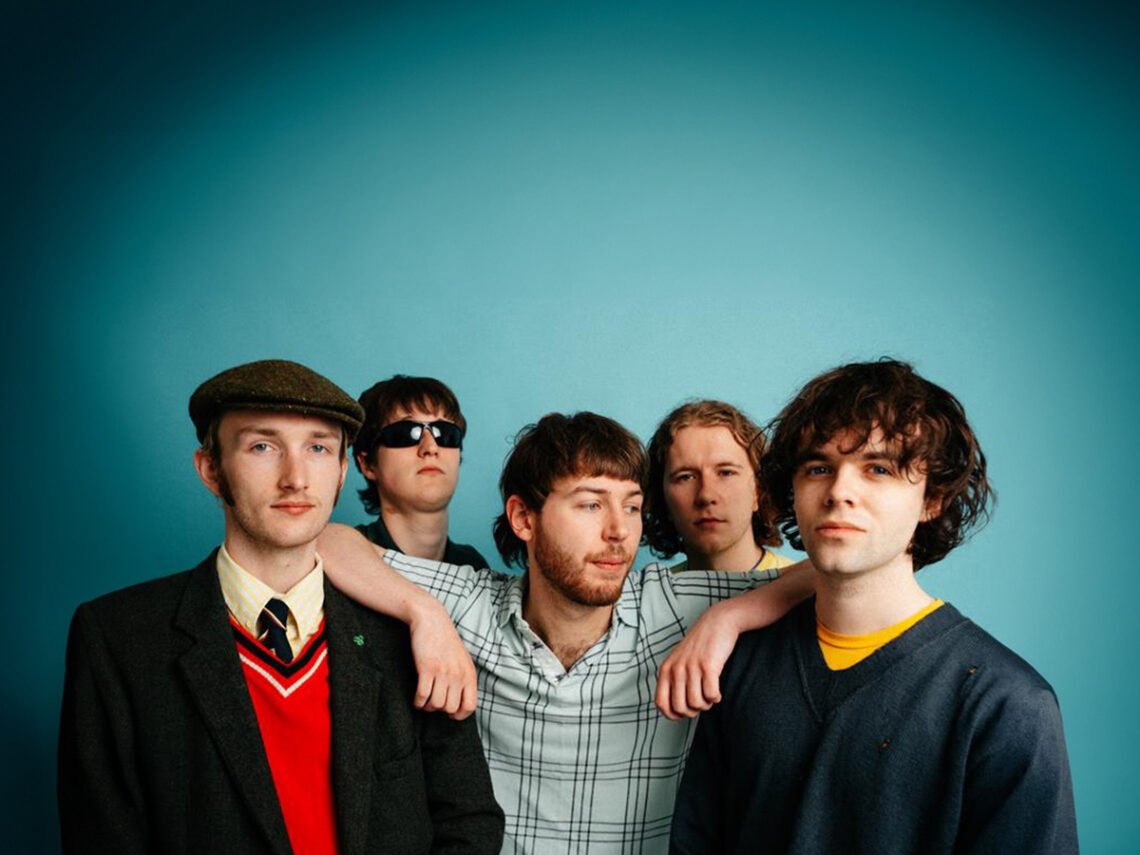
Brògeal: the only band Scotland needs right now

The rugged hills and the vast, roaming landscapes are the postcards of Scotland that everyone knows. And to a certain extent, it’s not all that inaccurate.
From anywhere in the country, even in the heart of the metropolis, drive no more than half an hour in any direction, and you’ll find yourself in a place resembling some element of that description. It’s both the beauty and the curse of the place that you are constantly in the boundless surroundings of nature, but can also quickly feel isolated because of it.
For a lot of Scots, particularly those at the younger end of the scale, this is often part of the reason that a lot of questions can get thrown up in the mix with regard to identity. You do feel rooted and staunchly defensive of home, but equally, you can sometimes feel its insularity pressing in on you like a weight, and you long to go somewhere that isn’t all just munros and lochs and craggy outlooks.
There are, of course, many people who choose to fly from that nest, but the fallacy of the green being greener elsewhere almost always falls flat once they realise that everything they know and love is in a different world to the place where they find themselves, thousands of miles away.
The main draw on the road back to Scotland has always been the music, whether that’s in its classic indie scene or, more recently, the output of dance music, which is increasingly filling the floors. Thinking even further back, however, the once thriving traditionalism of the country’s folk scene has somewhat been missing for a while.
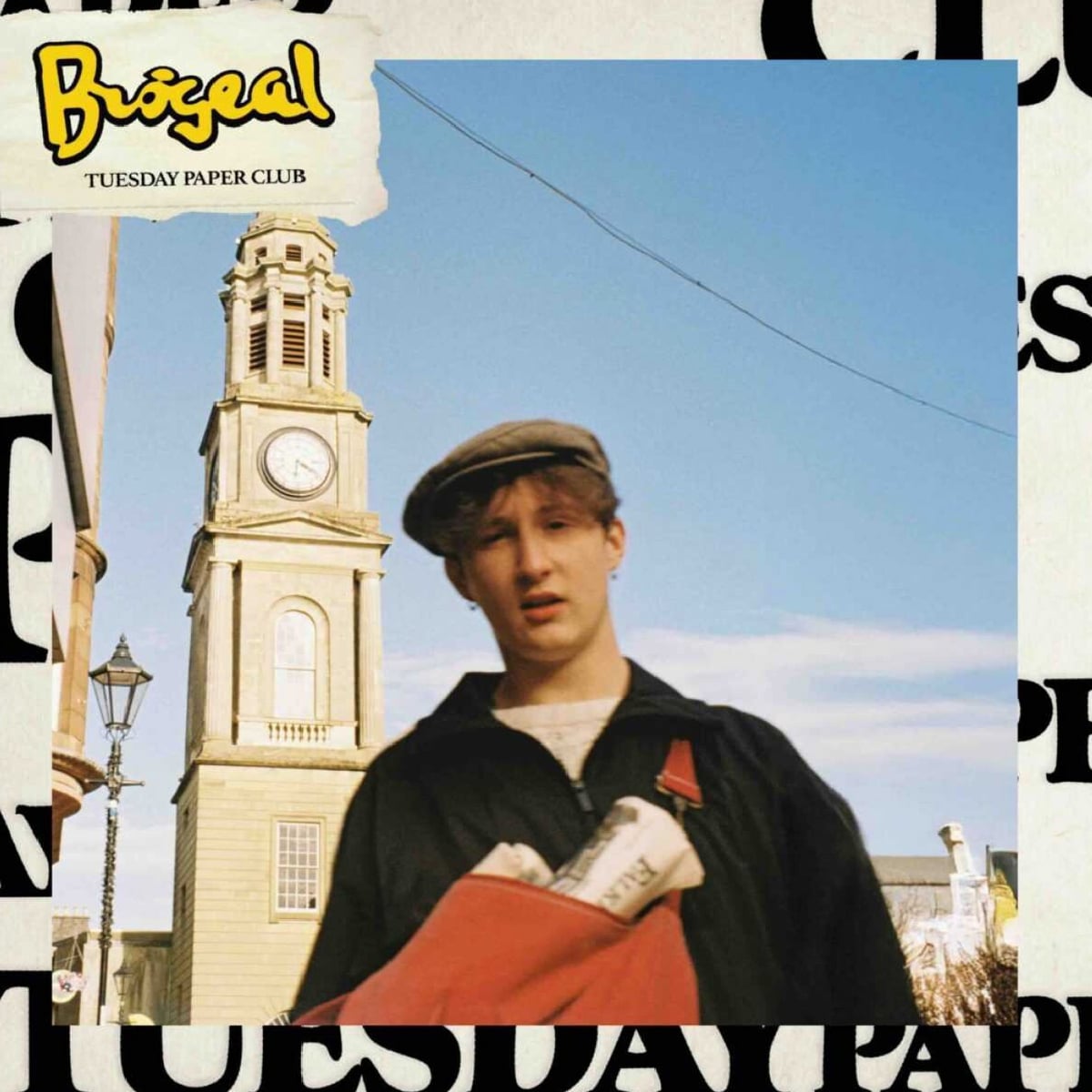
That was until Brògeal came along, with their soaring debut Tuesday Paper Club, released last year, serving as the most patent and timely reminder of what Scotland truly needs right now: not politics, not division, but just the sheer presence of each other. Of course, the band don’t intend to be martyrs, but they are the rare example of hope that we have.
Speaking in a previous interview with Far Out, the band’s guitarist Aidan Callaghan said: “I’ve kind of been thinking about what that means recently, all this weird, kind of right-wing thing that’s going on now, where people are using nationalist symbols in a very negative way, in my opinion.”
He added: “But to us, we want to promote our culture and our heritage in a very positive way, in a way that brings people together and gets people to engage with us as much as we’re engaging with them.”
To be clear: Brògeal are not promoting one political leaning or another, nor is this an attempt to suggest that they should be construed as such. But their insistence on always giving the platform of their voices to the cause of Celtic celebration is its own revolution in terms of the place that Scotland finds itself in at this moment in time, and subsequently transcends every corner of society, from the cities to the rolling hills.
The scenes that Brògeal create in their songs are familiar ones to everyone who knows them, from local pubs to jumping ScotRail barriers to the inclusion of the Gàidhlig language in their music. This latter point is perhaps one of the most important that the band could possibly make at this point in time.
Gàidhlig is Scotland’s native mother tongue, but according to the most recent census carried out for the country, only around 70,000 people actually remain to speak it. It’s a damning indictment on dying culture in its own right, but therein also lies the absolute importance of bands like Brògeal in times like these to try and keep the conversation flowing.
While people in any other part of the world may understandably not realise it, this year marks a hugely significant one in deciding Scotland’s course. The parliament elections in early May will set a path between solidarity and the rise of the right-wing. The Commonwealth Games this summer, though scaled down, will see Glasgow open its arms to people and cultures far flung from our own.
In a lot of ways, how the country responds to all that change is rooted in our feelings towards ourselves. Brògeal have positioned the chance right in front of the masses to grab hold of something fresh and exciting, remembering the heritage of who we are while simultaneously taking new ideas and new sounds into the future.
It’s not about politics and not about power, but right now, Scotland should be all about Brògeal.
