


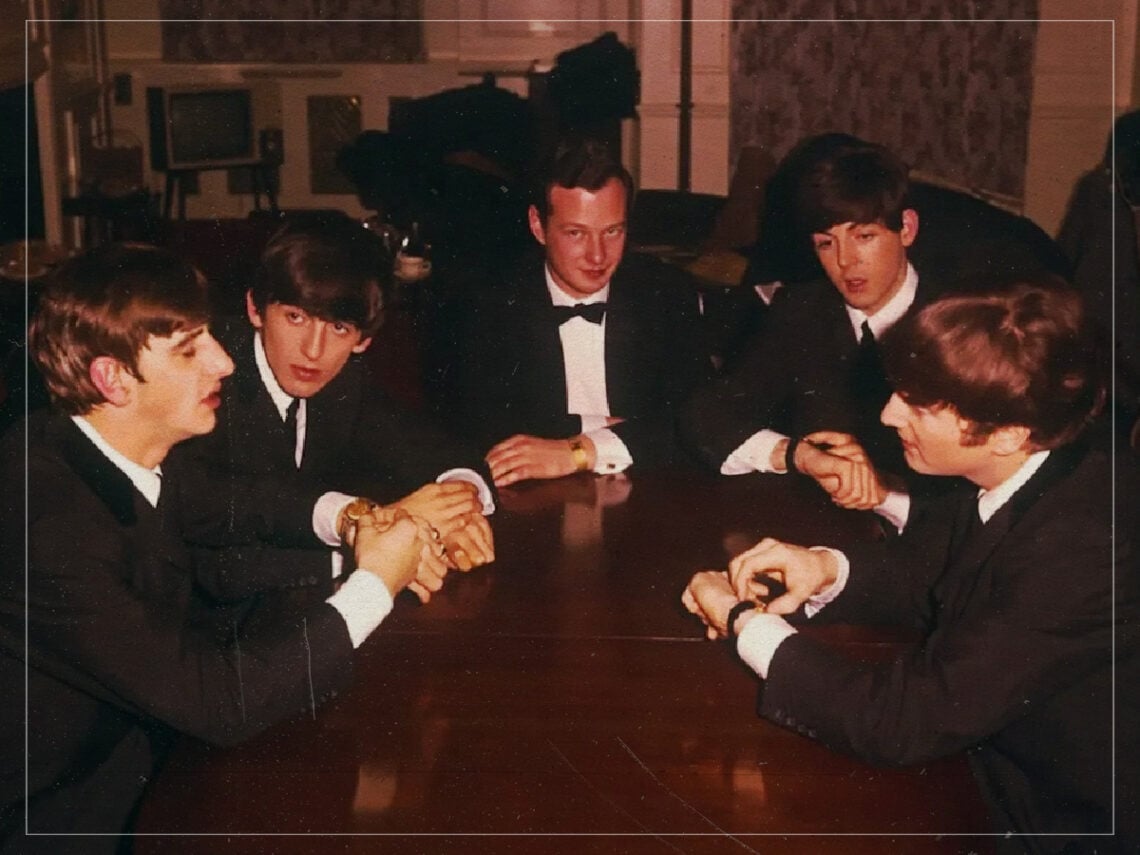
“The lowest moment”: How Brian Epstein’s death signalled the end of The Beatles

By the time The Beatles released Abbey Road, it was clear to John Lennon that he needed a break from the rest of the group.
They had been an inherent part of each other’s lives for years, and while they didn’t necessarily hate each other at the end of their careers, there clearly needed to be some other outlet for him to work on rather than cowering to whatever Paul McCartney was suggesting whenever they made a record. He wanted the chance to be free, and while he did have the final say on The Beatles’ breakup, Lennon felt that the bad times were already years in the making.
Years after the band’s breakup, Lennon pointed to Epstein’s death as one of the main moments where everything went wrong, saying, “The lowest moments were when Brian died and things like that. We weren’t ready for it. And that was the real low moment, suddenly finding ourselves on our own.” Besides losing a friend, though, Epstein’s death did feel like the beginning of the end for the band as a whole.
Because, as much as people think that things started going wrong immediately after Yoko Ono joined the group, that’s really a bad-faith argument when you break it down. Ono shouldn’t be blamed for wanting to be a part of Lennon’s life in a more intimate way, and even if the band might have felt the tension of having someone else in the room, even McCartney had to take a few potshots at those who insinuated that everything started going wrong the minute that Ono sat on one of their amplifiers.
That wasn’t the main problem, but when the band broke up, everyone got to see a lot more of Lennon’s problems on display when he went to primal therapy. Lennon was split wide open whenever he had to talk about his feelings, and there’s no one else in the world who could have ever known of the pain that he was dealing with after losing his relationships with both of his parents and trying to fend for himself for so long.
While he hid it really well under that trademark Lennon snark, it’s not like he couldn’t be shaken from time to time, either. Despite being sincerely apologetic for his comments he made about Jesus in the mid-1960s, you can see from his body language during his first few interviews that he was really nervous about saying the wrong thing and having the band blackballed from the industry because of one tossed-off comment that he said once.
But even if the band always had a lot of laughs at every stage of their career, everything seemed to come to a halt when Epstein passed away. Despite only being a few years older than them, Epstein was the adult in the room whenever they performed and did business, so without him to carry things on, it was like the band had lost a core piece of their identity along the way.
Even though many people point to Allen Klein for throwing a wrench into the Fabs’ relationships with each other, they were still talking about Epstein’s passing as late as the Get Back sessions. When looking through the documentary from that time, you can hear Harrison talking about how nothing had ever been the same since ‘Mr Epstein’ passed away, and McCartney trying to rally the troops after they found themselves on their own.
So while Klein did have a hand in pulling The Beatles apart, Lennon already knew that they were in trouble when Epstein died right after they reached their creative pinnacle. Would they have been around forever if their manager had lived? Probably not, but there’s a good chance that their split would have probably not been as acrimonious as it was when they first considered leaving their bandmates behind.

Never Miss A Beat
The Far Out Beatles Newsletter
All the latest stories about The Beatles from the independent voice of culture.
Straight to your inbox.