


‘Both Sides of the Blade’ Review: A textured melodrama from Claire Denis

Few filmmakers have been able to demonstrate the kind of range that Claire Denis has managed to achieve throughout her oeuvre. From unforgettable explorations of post-colonialism to innovative experimentations with genre frameworks, Denis’ cinematic output is an essential part of the contemporary landscape of cinema.
After her last directorial effort, the brilliant sci-fi gem High Life, Denis has returned to the world of cinema with two new projects this year. While her new romantic thriller Stars at Noon won the Grand Prix at Cannes, her melodrama Both Sides of the Blade has started garnering a lot of attention from critics and audiences.
The film stars the inimitable Juliette Binoche as Sara, a radio presenter who has maintained a steady relationship with an ex-con named Jean (played by Vincent Lindon) for about a decade. Although it seems as if they’re living the ideal life in Paris, everything is destabilised when an ex-boyfriend penetrates the space they have created for themselves.
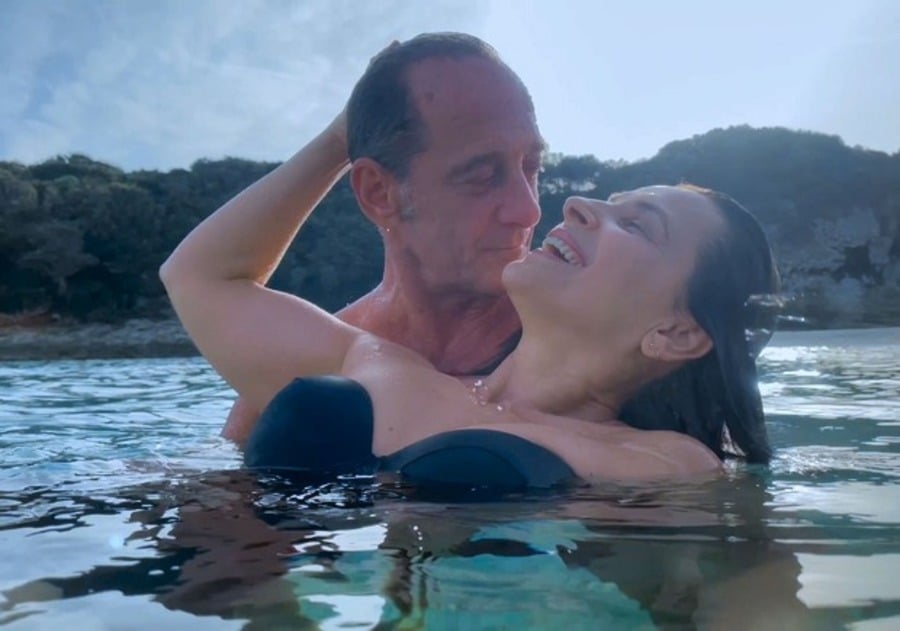
As is the case with any Claire Denis film, Both Sides of the Blade is defined by the auteur’s unique aesthetic codifications. The camera floats in and out of various physical spaces, effortlessly transitioning from an idyllic seaside vacation to a grim world that is haunted by the endless masking and sanitisation of a pandemic.
“From the beginning, I never thought I was standing outside the main [tradition], which is the male [tradition],” Denis said in a recent interview. “The best I could do was to direct what I thought was best for me. I think the only way to make a film… is trying not to imitate, but trying to be really honest with myself”.
Denis deliberately puts gorgeous vacation vignettes in the film’s opening sequence because after Sara and Jean return to Paris, the vacation becomes a distant memory while forgotten ghosts are resurrected. Sara’s ex-boyfriend François (Grégoire Colin) goes into business with Jean, subjecting her to all kinds of emotional conflicts.
The interesting aspect of the film’s brazen melodramatic elements is that the illicit love triangle is made up of middle-aged characters who are already burdened by their innumerable regrets. With age, we view passion as an irrational excess which is why the simple act of lying to her partner becomes liberating for Sara.
Of course, Denis also paints a nuanced portrait of interpersonal relationships by tangentially touching upon other characters like Jean’s almost estranged son. All these stories are contextualised within larger sociopolitical spheres, ranging from omnipresent references to the pandemic’s absurdity to more specific issues like the Lebanon blast.
Both Sides of the Blade is a textured melodrama that is essential viewing for all Claire Denis fans, but if you aren’t familiar with her work, this isn’t the right starting point. It is a film about real human beings, with all their flaws and their insecurities, trying their best to find a way to negotiate with their overwhelming loneliness.
