


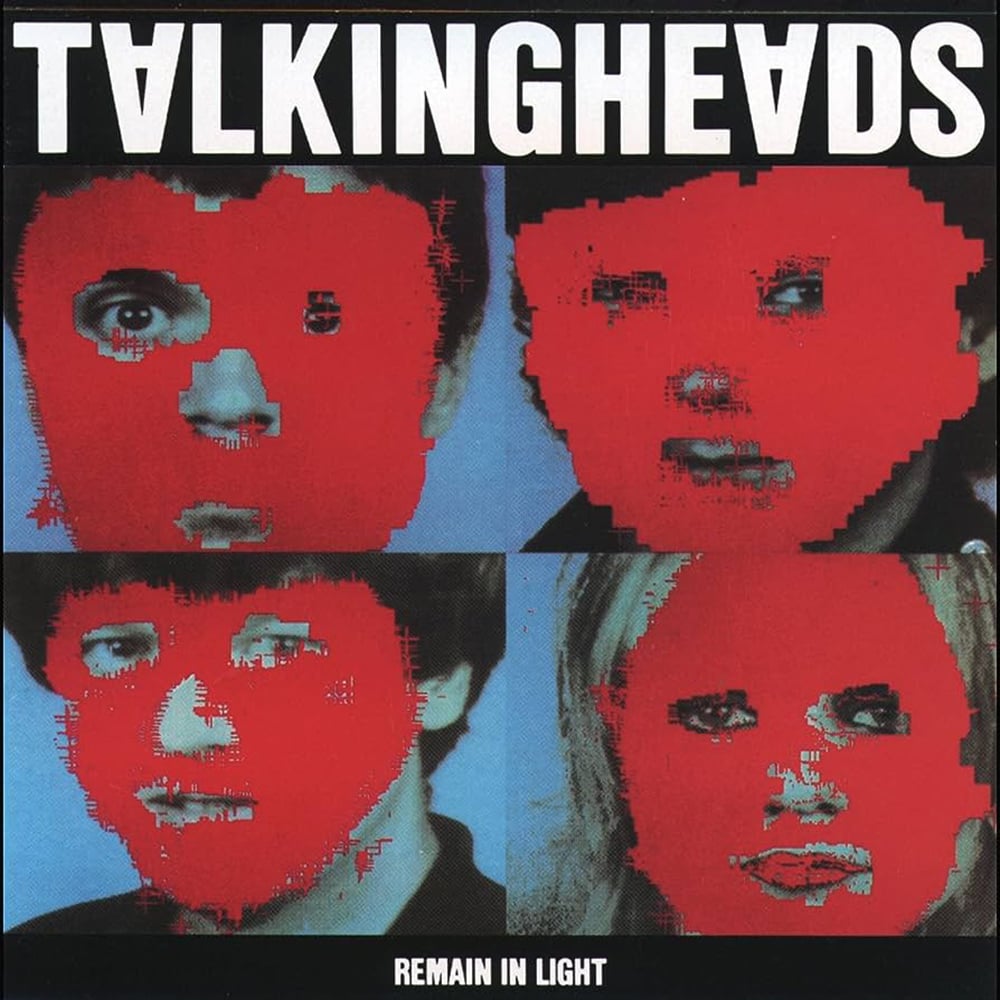
How ‘Born Under Punches’ became Talking Heads most complex piece of music: “A whole new thing”

It didn’t take long for life in the Talking Heads to start being a slog for everyone not named David Byrne. Even for Chris Frantz and Tina Weymouth, who were happily married two years into their time with the band and remain so to this day, the feeling that they were becoming bit part players in Byrne’s roadshow was a corrosive one. One gets the feeling that if it was any other band, at any other time, they would have packed their bags and ditched him a lot sooner. The Heads, though, are no usual band.
Special barely covers it. Even within the context of their CBGBs scene starting to produce the most forward thinking, exciting guitar music in the world, they were a cut above the likes of Television and Blondie. Their sheer quality got Frantz and Weymouth to stay even after their side project The Tom-Tom Club began having actual hits. Something which wouldn’t happen for The Talking Heads until long into the 1980s.
Their opening salvo of albums, Talking Heads 77 and More Songs About Buildings and Food, are wonderful post-punk records. I mean, you try arguing with ‘Psycho Killer’ and ‘Take Me To The River’. It wasn’t until the 1979’s Fear Of Music that the band started delving into influences that barely any other guitar band in the west, let alone the West Village, were taking on. Studying Afrobeats and polyrhythms along with more en-vogue influences like funk and disco.
Fear of Music is a classic, but the very first track of its follow-up, Remain In Light, is one of the genuine high points of their entire discography. ‘Born Under Punches (The Heat Goes On)’ still sounds thrillingly futuristic 45 years on from its release, and a major part of that is how it balances its mind-melting complexity with its sheer catchiness. There’s quite literally no intro either, put the needle down and one is thrown into the track in medias res, suddenly engulfed in Weymouth’s slap bass, Frantz’s polyrhythms and guitarist Jerry Harrisons multilayered guitar and keyboard textures.
It should be baffling. The sheer amount of stuff going on should be overwhelming and yet, all of it forms into something that isn’t just understandable, it’s catchy and downright fun. Which is something of a miracle because it was territory as uncharted for the band as it was for the audience. Writing for whosampled.com, Frantz said, “This was the first time we’d ever composed music in the studio while we were recording it; in the past, we had written the songs and even performed them live before we actually recorded them, so it was a whole new thing.”
This checks out. ‘Born Under Punches’ isn’t a song you work out in a rehearsal studio, much less come up with on an acoustic guitar when you’re a little stoned. Its sheer scale and scope require mastery of an entire studio and almost telepathic communication between band and producer to put to tape. It’s the kind of song that even today’s bedroom pop artists, with access to more recording technology on a decent laptop that was available to all but the upper echelon of artists in 1980, would struggle to create.
The fact that ‘Born Under Punches’ was put together decades before many of them were born is staggering, but not as staggering as the piece itself. In a way that is very Talking Heads, it’s best not to try to wrap your head around it. Rather, just let yourself go with it. Despite the sheer level of thought and analysis the band and producer Brian Eno put into it, this is a song for dancing. Just the way it should be.
