


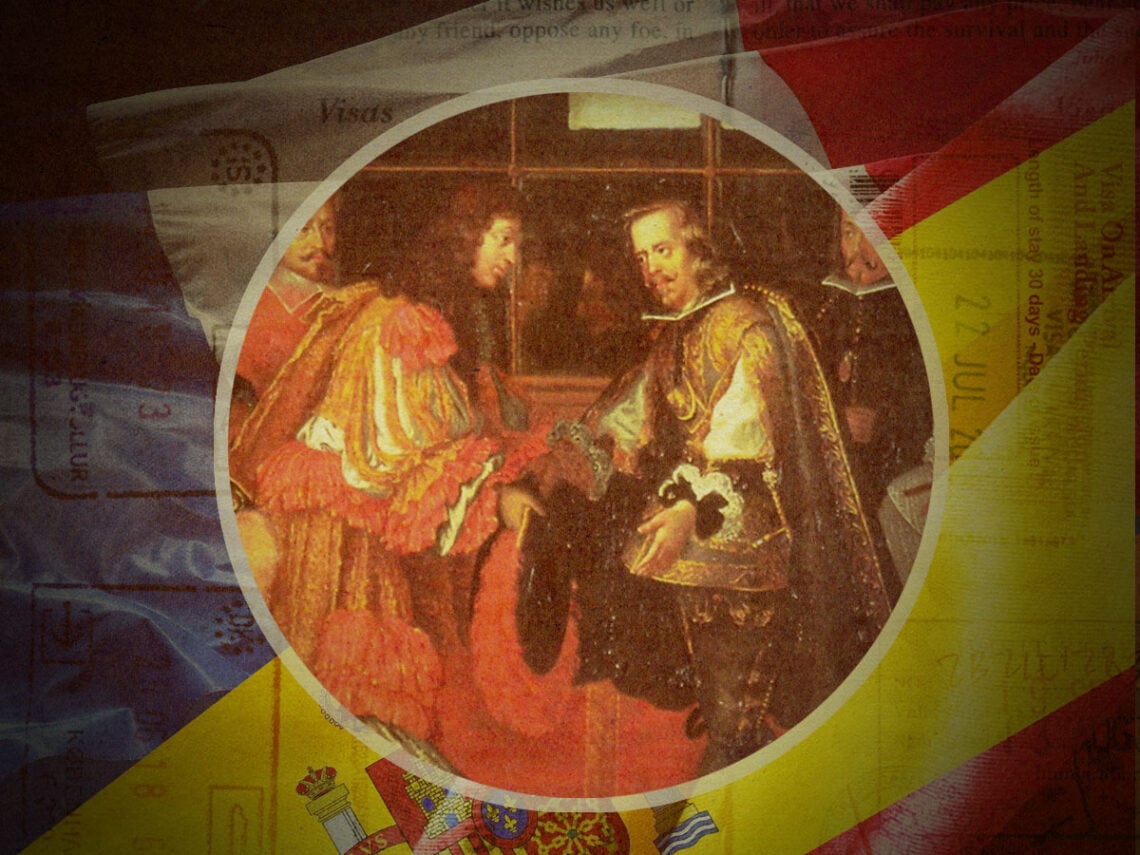
Bonjour and adios: The island that changes sovereignty every six months

On the border of France and Spain sits Pheasant Island, one of the most bizarre places on the planet.
On the French side is a small town known as Hendaye, while on the other riverbank of the Bidasoa River, through the middle of which the actual border of the two nations run, is Irun, and what lies between them is Pheasant Island that measures just 200 metres by 40 metres, but this seemingly unremarkable place has a unique quirk that makes it truly one of a kind.
Since Pheasant Island effectively straddles the border between the two counties, it has allowed it to become the world’s only condominium with rotating sovereignty, meaning that the island changes its nationality every six months. Yes, between February 1st and July 31st, the island is Isla de los Faisanes, and is administered by Spain, and then, quite literally overnight, it switches to Faisans, and is administered by the French between August 1st and January 31st.
There are no permanent residents living on the island, or buildings or infrastructure, in fact, even landing there is prohibited most of the year. The only people who really ever visit Pheasant Island are the maintenance crews from either country, who are tasked with keeping it clean, cutting away any vegetation and checking that the commemorative monument that stands there isn’t damaged. Even the transfer between the two countries isn’t as grand as you’d think, with no flag-raising ceremony or anything glamorous, but a simple administrative switchover of responsibilities.
Pheasant Island’s odd political status dates back to the 17th century, and the end of 24 years of war between the two neighbours, France and Spain, which had been long and hard, a battle for the future of the Spanish empire, with the former wanting to maintain their empire, and the latter wanting to strengthen their dominance on the continent. By 1959, they were tired, with big losses both in human lives and financial terms.
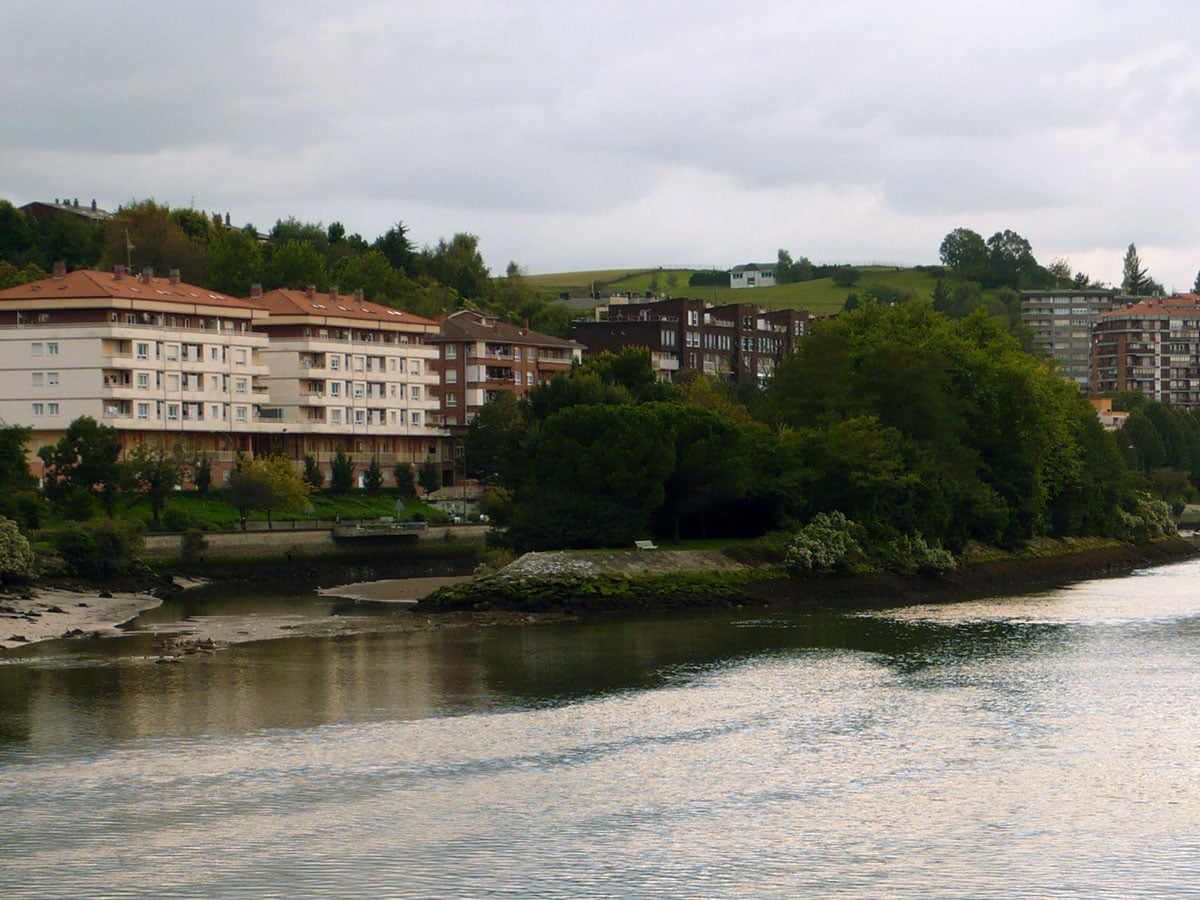
It was decided that negotiations were needed to end the war, but neither side wanted to venture into each other’s territory, for fear of their safety, so they decided to meet on the neutral meeting point of Pheasant Island, an uninhabited bit of land between the two countries. It was here that the Treaty of the Pyrenees was signed to end the war, and Roussillon, parts of Flanders and the Pyrenees were handed over to the French. With the two nations now looking to build a stable and secure future, it was decided that a royal marriage would be arranged to develop those links, so France’s King Louis XIV was to marry Maria Theresa of Spain, the daughter of the king.
A year after the treaty was signed, the island was in use again; this time, its neutrality was used to officially hand the princess over to her future husband, with temporary pavilions built, before she was subsequently married into the French royal family in nearby Saint-Jean-de-Luz. Peace between the countries has long prevailed, and there are now great diplomatic links between the two. Given its size and lack of strategic importance, it may seem strange that Pheasant Island and its unique rotating sovereignty still exist, but it honours everything that took place there and the history between the two nations.

Sharing territory is nothing new, and it’s something that we’ve seen historically, but to alternate sovereignty on a regular schedule is something unique to Pheasant Island.
It’s believed that the island has nearly halved in size since the treaty was signed, with erosion reshaping its banks and the river often reclaiming chunks of the shoreline. Even at its original size, it punched above its weight in geopolitics, for a place that could hold fewer tennis courts than Roland-Garros.
It’s only a small piece of land and a footnote in European history, but Pheasant Island has an outsized history, and one which celebrates peace in Europe.
