


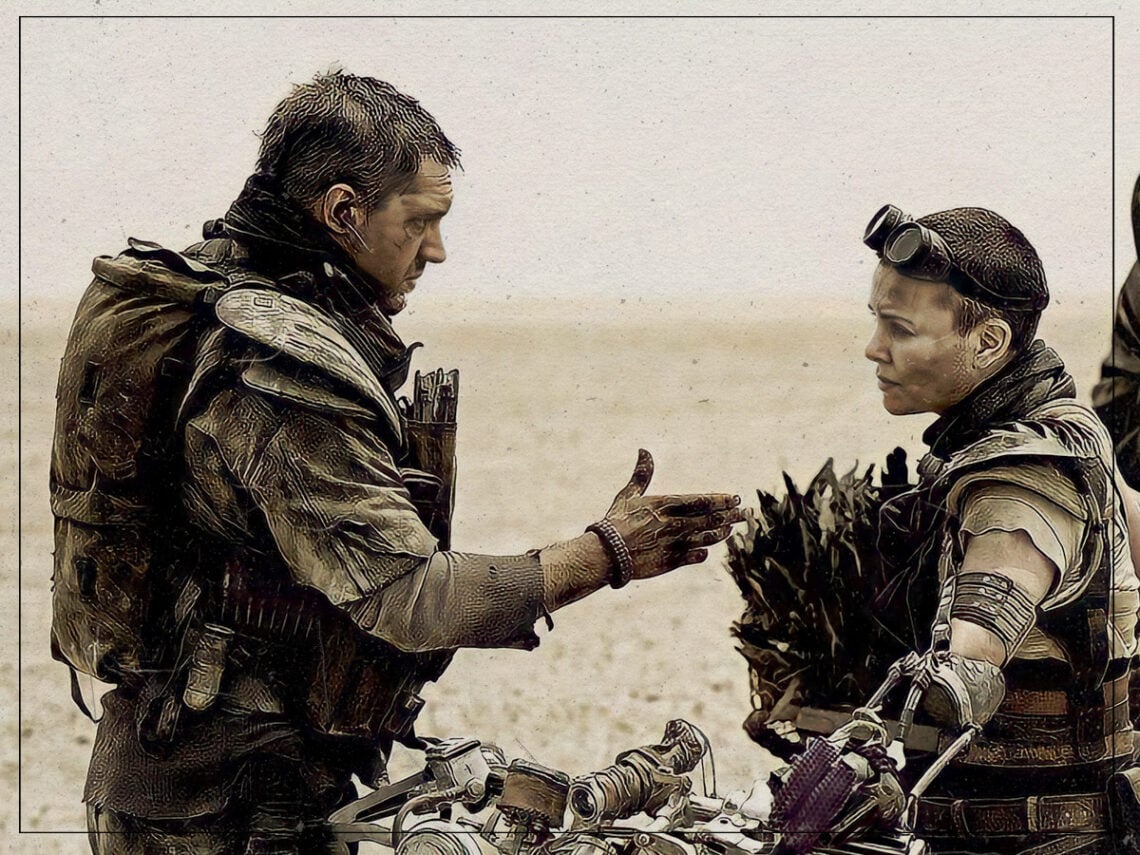
How Bong Joon-ho inspired the ‘Mad Max’ renaissance: “It makes a big difference”

In 1979, George Miller directed Mad Max, a project that starred none other than Mel Gibson—before the world knew too much about the Aussie actor, arguably more than anyone wanted to know. Long before the antisemitic tirades and the general defilement of his legacy, the Mad Max franchise was an institution. It still is, with sequels continuing to roll out periodically.
Aside from the financial metrics of it all, the act of differentiating between the successful and the not-so-successful parts of the Mad Max series depends completely on your perspective. The most recent spinoff, Furiosa: A Mad Max Saga, was underwhelming at the box office. Most of the people who saw the film liked it, though. At least most of the critics who were paid to watch it did.
However, 2015’s Mad Max: Fury Road was a different story. Miller had been trying to make the movie since the early 2000s, but it encountered all kinds of trouble along the way–production issues, 9/11 and the various ensuing acts of American imperial bloodshed, Mel Gibson’s racist fits, Miller deciding to make a musical about penguins–the thing just took forever to materialise. But when it did, it was hailed as an exemplary modern spectacle.
Speaking with Collider, Miller discussed his influences on the soft reboot of his franchise, wisely replacing Gibson with Tom Hardy. He said: “The other thing that we did on this film that I’ve never really done before, or only partially done before, I picked it up from Bong Joon-ho. Our great first assistant director, PJ Voeten, who we worked with together a long time, he worked with Bong on a film in Korea, and he pointed out, and I’m not sure if all the Korean directors do it, but they cut the film, they assemble the film as they’re shooting, and it makes a big difference if you can do that.”
Bong Joon-ho is probably best known as the filmmaker behind Parasite, which almost everyone worldwide watched during lockdown. But he also directed The Host and Snowpiercer, developing a reputation for dark, class-conscious films with a twisted sense of humour. For Miller’s reboot, he followed Bong’s process and ended up with one of the best projects listed in his filmography.
Editing a final cut of the film during the shooting itself allowed Miller to approach the craft in a completely new light, enabling him to try different techniques but also to consider other possibilities when it came to the visual storytelling of it all. The results speak for themselves because most of Fury Road’s brilliance can be chalked up to its cinematic grammar and unique atmosphere.
Miller elaborated: “So that process allows you not to go ahead and shoot things just to explore them, if you like, on the most expensive part of the film, that is during the shooting state. That doesn’t mean that when you’re working with actors and working with the crew. You don’t explore it by what they’re doing; you just don’t do it with the story as much, if that makes sense.”
If the new Mad Max movies are praised for anything, it’s their cinematography. Panoramic shots of the desert are edited into shots as still and ponderous or tense and rapid-fire as the scene demands, and a major influence behind those editorial decisions is none other than Bong Joon-ho.
