


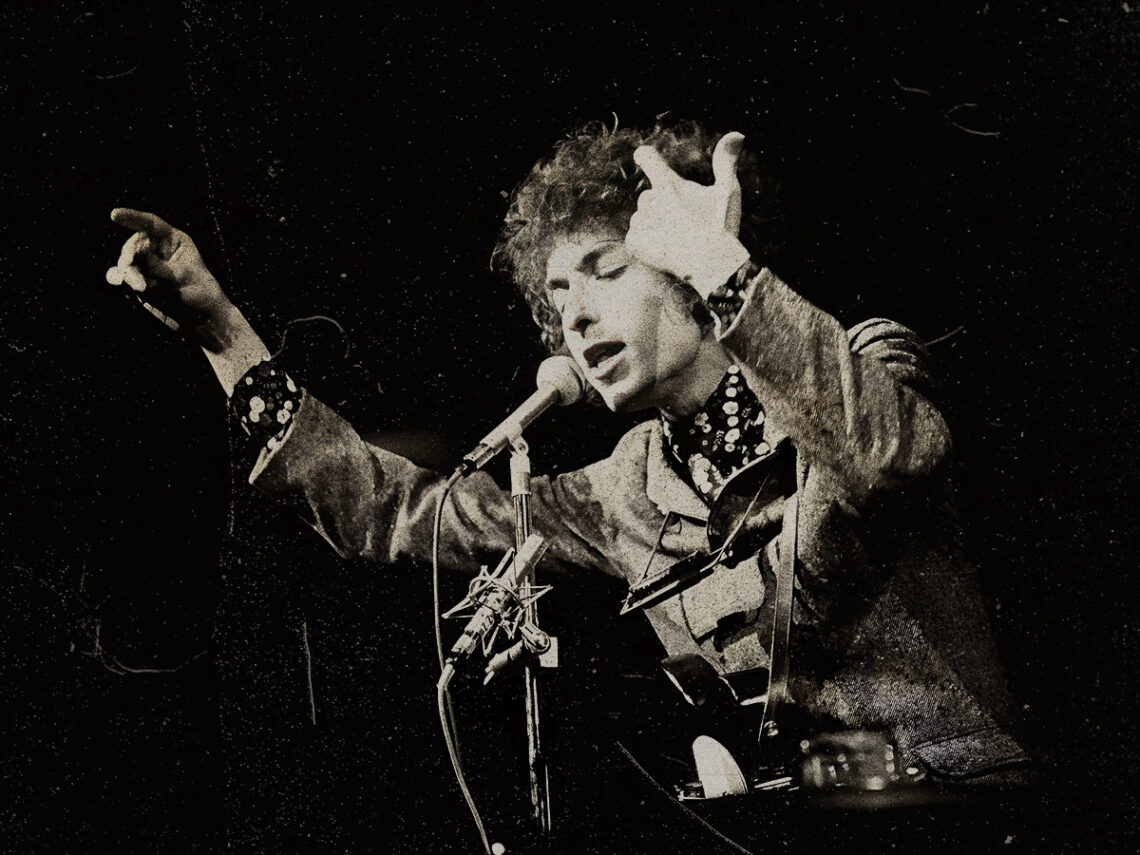
Bob Dylan’s favourite Gordon Lightfoot songs

Touted as the voice of a generation, Bob Dylan’s lyricism made him an icon of 1960s counterculture. Inspired by folk legends like Woody Guthrie, he took his introspective sound across Greenwich Village, resulting in a singing to Columbia Records that paved the way for the hugely resonant The Freewheelin Bob Dylan album. While his later pivot to a more rock-infused sound was divisive, while he’d stepped away from folk, he never abandoned his plaintive, narrative-driven lyrics.
Given he is lauded as one of the most gifted songwriters to ever record, admiration from Dylan is naturally of huge significance, and Gordon Lightfoot was often on the receiving end of his praise. Lightfoot’s early career echoed his own a lot. The Canadian artist, like Dylan, was raised on folk music, moving to America to study music in the late ’50s.
Dylan’s route to mainstream success was far quicker than Lightfoot’s, but he eventually broke through with 1971’s ‘If You Could Read My Mind’. His songwriting style often blended the personal and painful, which appealed to Dylan’s sensibilities. Speaking to Bill Flanagan, Dylan revealed his three favourite tracks of his, although he said initially he said: “I can’t think of any I don’t like.”
He settled on ‘Shadows’, ‘If You Could Read My Mind’ and ‘Sundown’. The latter was one of Lightfoot’s most famous, a shining example of his ability to mine his often tumultuous relationships and turn them into striking verses that touched on universal themes like loneliness and love.
After Lightfoot’s passing, Dylan expressed how much his songs had impacted him, saying he died “without ever having made a bad song.” It mirrored comments he’d made years earlier when he famously said that each time he listened to a Lightfoot song, whether it be anything, from ‘Carefree Highway’ to ‘Rainy Day People’, he “wished it would last forever”.
Having risen up in the same circles, the pair developed a real kinship and respect for each other’s sound. Lightfoot spoke to Vanity Fair in 2016, and said Dylan was a “leader”, and a “superhuman” songwriter. “He was very, very productive,” he said of Dylan’s massive output. “You hear about people who write 15 to 20 novels. How do they do it? You just gotta do it. A lot of times, it’s because you have obligations with a record company. And I was carrying an orchestra, always had a band,” he said.
Comparing their careers, Lightfoot admitted he had his struggles, particularly with substance abuse issues that affected his songwriting. “I’ve always been able to come out on top, right up until this very point in time,” he said. “I would have never dreamed that it would have gone that way when I was back starting out in this business when I was 21 years old – I gave up my day job.”

Never Miss A Tale
The Far Out Bob Dylan Newsletter
All the latest stories about Bob Dylan from the independent voice of culture.
Straight to your inbox.