


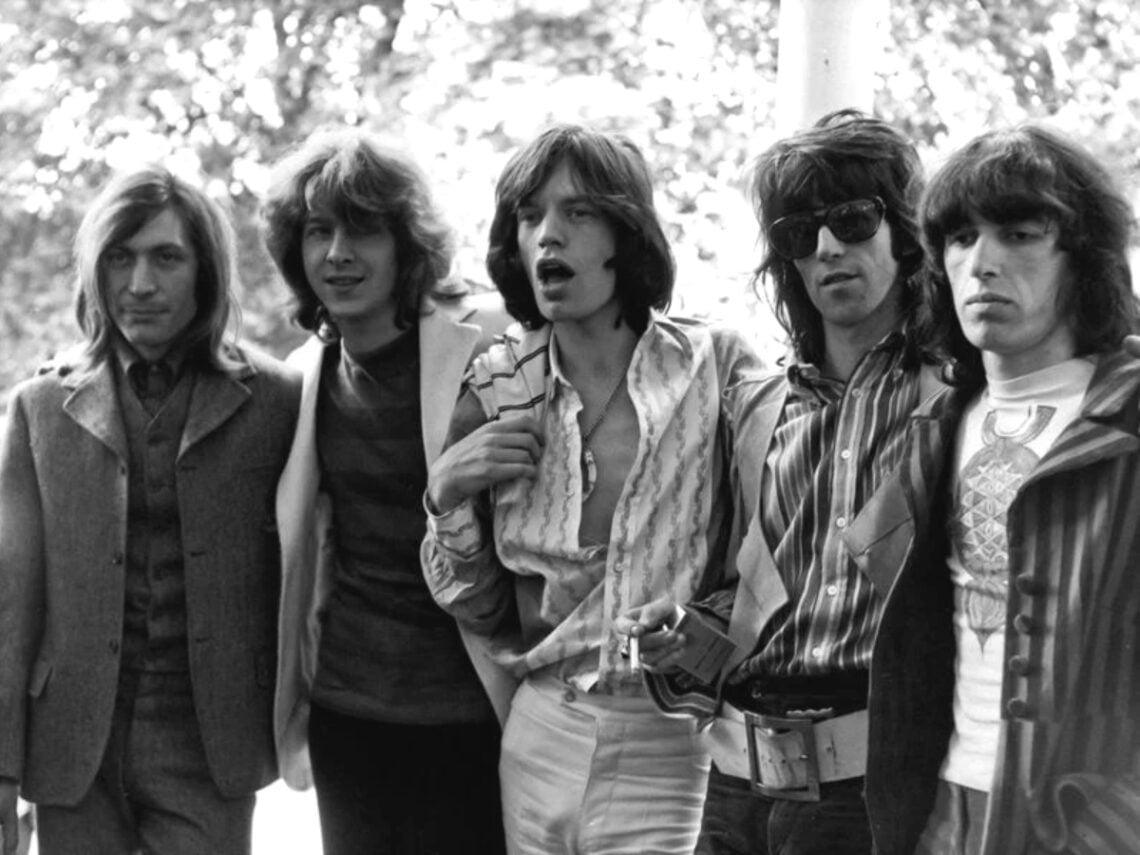
The “Bob Dylanish” track The Rolling Stones “cooked” into a classic

For all of their unique brilliance, The Rolling Stones would be the first to acknowledge that their music draws heavily on the ideas of others. Whether this be the works of their heroes or the popular artists du jour, cherrypicking from across popular culture has been a critical factor in the London group’s enduring success.
From being deeply ensconced in rhythm and blues in the early days – which was greatly indebted to the likes of T-Bone Walker and Muddy Waters – to looking to disco and Studio 54 as a means of survival, this artistic stance has manifested in many ways over the years.
This trend can also be viewed on a more focused level, with individual songs often borrowing styles from other musicians. The case that instantly springs to mind is the band’s decision to incorporate the sitar into their sound in 1966’s ‘Paint It Black’. This came after two of the other most successful groups of the day, The Beatles and The Kinks, had achieved hit singles that featured it.
The Beatles’ December 1965 hit, ‘Norweigan Wood’, is the most famous of these. After it came out, Stones multi-instrumentalist Brian Jones had a discussion with The Beatles’ lead guitarist-cum-sitarist, George Harrison, on the matter, which led to him deciding to hone his skills on the instrument and add another dimension to The Stones’ sound. Ultimately, this decision saw them enter their psychedelic phase, primarily thanks to the steps of other groups – and a little bit of LSD.
When speaking to Guitar World in 2020, The Rolling Stones’ lead guitarist, Keith Richards, revealed his ten favourite riffs with the band and some of the stories behind them. When examining ‘Sympathy for the Devil’ from 1968’s Beggars Banquet, he revealed a nugget of surprising information. The piece originated as “a very Bob Dylanish” folk song, much different from the psychedelic samba that marks it out.
Famously, the track saw the band labelled as devil-worshippers by some detractors and has long been deemed one of their finest by fans. However, if frontman Mick Jagger had had his way, it would have lost the mesmerising rhythm that Richards gave it. The guitarist said: “Mick brought that to the studio as a very Bob Dylanish kind of folk guitar song, and it ended up as a damned samba. I think that’s the strength of the Stones: give them a song half raw, and they’ll cook it.”

Never Miss A Tale
The Far Out Bob Dylan Newsletter
All the latest stories about Bob Dylan from the independent voice of culture.
Straight to your inbox.