


‘Dear Father’: How Black Sabbath blasted the Catholic Church

Rock music has always had something of a complex relationship with the Church. On one hand, so much of early blues-rock and R&B took its inspiration from the world of God-praising gospel music, but on the other, multiple religious leaders and Christians took umbrage at the advent of rock and roll back in the 1950s, dubbing it ‘the devil’s music’. For those people, things only became worse with the emergence of hard rock and metal, spurred on by pioneering outfits like Black Sabbath.
It is no surprise that the dark, abrasive sounds of industrial Birmingham gave a bit of a fright to certain Christian commentators, predominantly in the United States. After all, nobody had heard any sounds remotely like ‘Paranoid’ or ‘War Pigs’ before; they might as well have come from another planet. Couple that with a penchant for occult imagery and horror influences, and you get a perfect storm for a widespread satanic panic. In fact, that is just what happened in America during the 1980s, when parents and religious leaders vowed to crack down on heavy metal, for fear that it was linked to the Prince of Darkness himself.
At the same time as that satanic panic was running rife across the United States, there were also those who could reconigse the ridiculous nature of the protests; Ozzy Osbourne, despite his ‘Prince of Darkness’ nickname, is not the reincarnation of Satan, and Black Sabbath’s music was not promoting satanic behaviour to the youth of the world. Quite the opposite, in fact, Sabbath’s music has often been socially-conscious and unafraid to call out the purveyors of evil and destruction – see ‘War Pigs’, for instance.
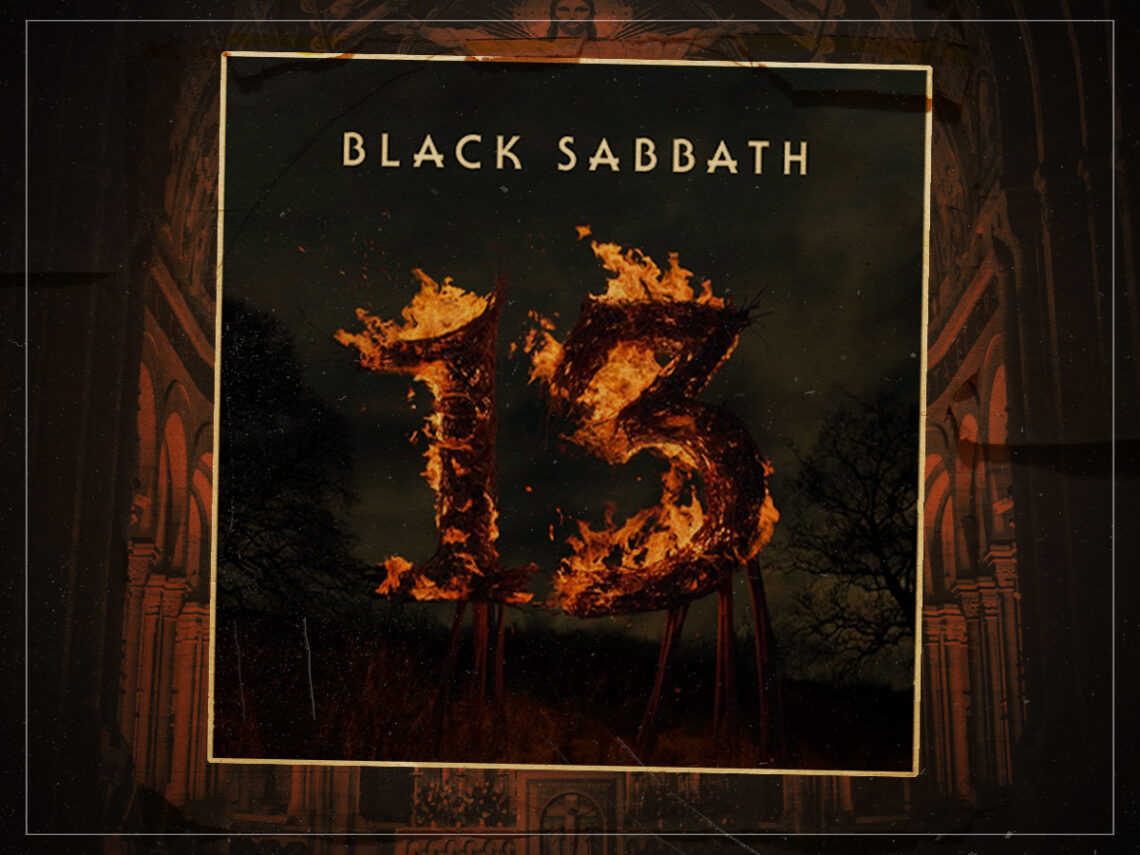
Those attitudes of calling out injustice carried on throughout Sabbath’s unparalleled reign over rock music and can be heard overtly on their final studio album, 13. Released in 2013, the record draws upon multiple cultural and political issues of that period, including the Catholic Church and its horrific sexual abuse scandals. That issue, in particular, spurred on the album’s closing track ‘Dear Father’, told from the perspective of an abuse victim confronting their abuser.
Written by bassist Geezer Butler, the song doesn’t pull any punches when it comes to the frank, brutal discussion surrounding an issue which most other musicians would never touch in a million years. Speaking about the song to Jam! Music, Butler shared, “It’s about a paedophile priest. I grew up severely Catholic, and then when we started this album, there was this whole big thing on the news, and I was totally shocked by it.”
Going back as far as the 1990s, there were stories circulating about the prevalence of child abuse and paedophilia within the Catholic Church, but the full extent of the ongoing scandal and subsequent cover-ups was not fully realised until the early 2010s. As Butler explained, “It came out of the Vatican; they’ve been covering this up since the ’50s and ’60s.”
“And, at the same time, we’ve been criticised for being heavy metal or whatever, and I was like, ‘How can they criticise any music when they’re such hypocrites?’. And so it’s our way of getting back at them.” He continued, “It’s the most disgusting thing on Earth for a priest to do that to a child. Somebody you trust so much that you confess your sins to them, so it’s like the ultimate trust that you put in somebody, and then they turn around and do that. It’s disgraceful.”
Butler and the band certainly made those feelings known within the impassioned song, which shone a light directly on the horrific nature of the abuse scandal, and how the Vatican covered up for its priests for decades. Even on the closing track of their final studio album, Black Sabbath never stopped calling out injustice and fighting for what was right, all through the enduring medium of heavy metal excellence.
