


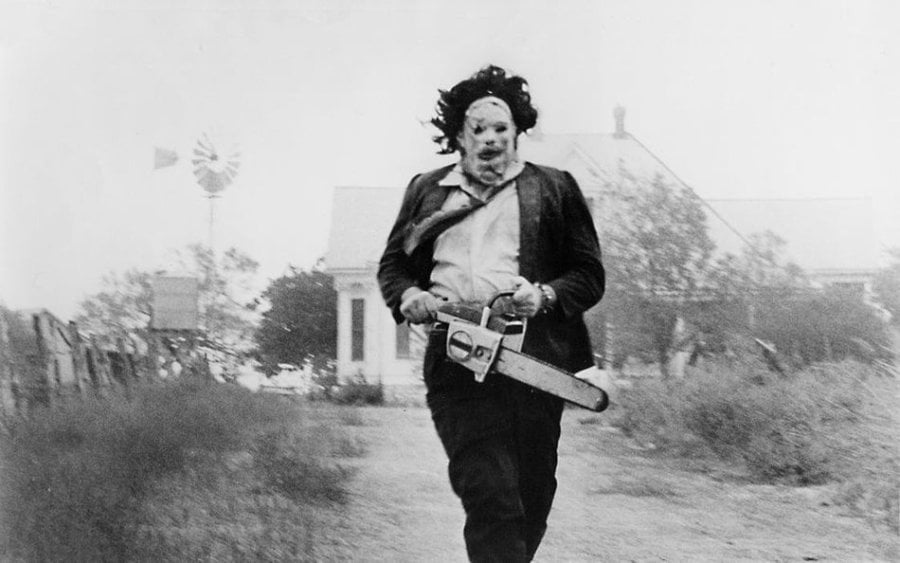
Tobe Hooper on the bizarre inspiration behind ‘The Texas Chainsaw Massacre’

In the history of the horror genre, very films can boast of having the same influence as Tobe Hooper’s 1974 masterpiece, The Texas Chainsaw Massacre. Its contribution to the tradition of slashers is almost immeasurable, inspiring filmmakers to reinvent the clichés of the genre in powerful and unsettling ways.
The film chronicles the journey of a group of friends who travel to rural Texas, eventually slipping into a world of unbridled chaos and unimaginable violence. While the events in the movie are obviously fictionalised, it was actually marketed as a “based on true events” feature to invite larger audiences.
Banned in many countries due to the graphic violence, The Texas Chainsaw Massacre has stood the test of time. The recurring image of humans as meat throughout the film has even contributed to its popularity within the vegan movement. Not just that, Guillermo del Toro famously said that this was the movie that turned him into a vegetarian.
Despite the fact that some of the details regarding the story and the iconic character of Leatherface were inspired by serial killer Ed Gein, the actual origin story of The Texas Chainsaw Massacre is bizarre. In Joseph Lanza’s book The Texas Chain Saw Massacre: The Film That Terrified A Rattled Nation, the writer shed some light on Hooper’s original source of inspiration.
According to Lanza, the vague structure of The Texas Chainsaw Massacre started to form in Hooper’s mind during the 1972 holiday season. Lanza noted that the filmmaker “stood in a crowded hardware section of a Montgomery Ward, wary of the holiday spirit, and desperate for an exit.”
The writer continued: “Noticing a bunch of chain saws in an upright display, he fantasised about slicing and dicing his way through the consumer swarm. He repressed his dream of a Yuletide bloodbath, but once he escaped the claustrophobic maw and settled back home, visions of chain saws whirred in his head, setting off a chain reaction of story ideas.”
Lanza also observed how violence was inextricably linked to Hooper’s life since he was actually present when Charles Whitman committed the unbelievable tragic mass murder at the University of Texas in Austin. The incident left an indelible mark on Hooper’s worldview, providing a bitter counterpoint to the hippie movement of the 1960s.
The Texas Chainsaw Massacre is a mixed collection of Hooper’s influences, since the character of Leatherface was also inspired by the words of a doctor who “bragged about making a mask from a cadaver during his pre-med days.” In the years that have followed, the mythology of Hooper’s startling masterpiece has only grown in stature.
