


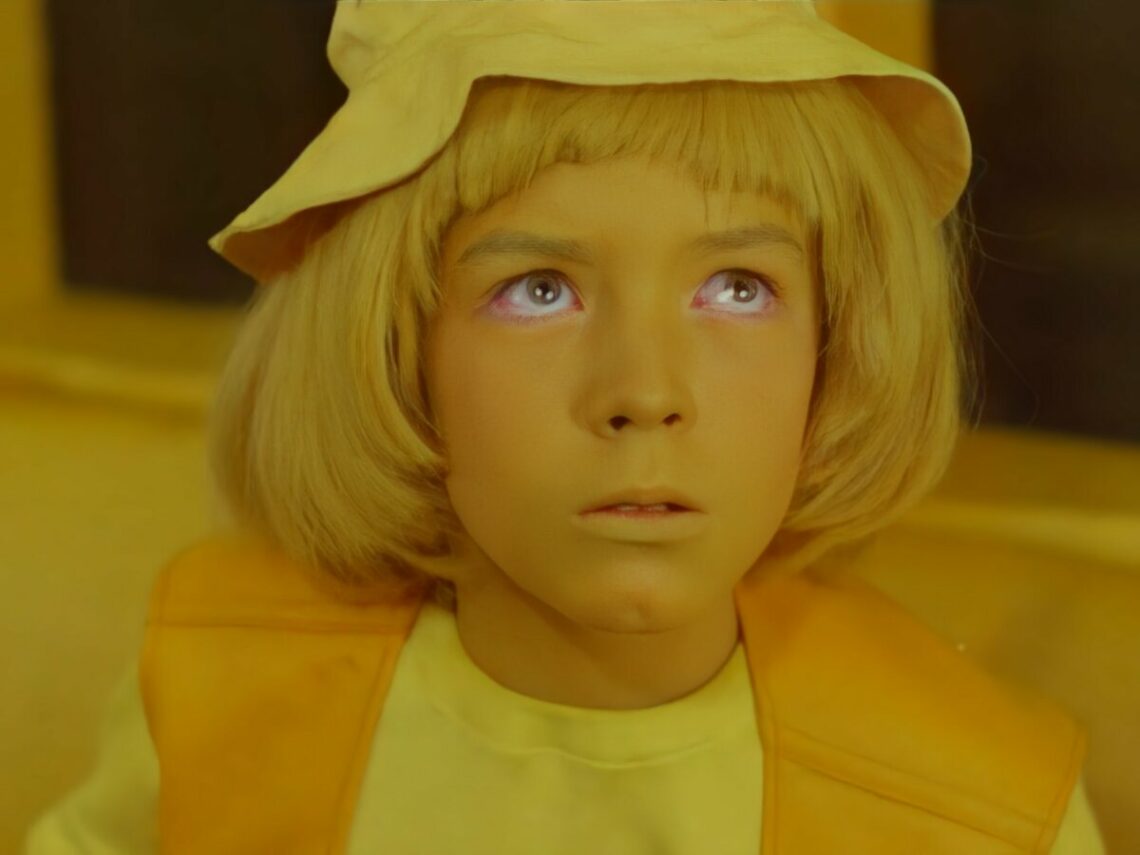
‘The Boy Who Turned Yellow’: the bizarre final collaboration between Powell and Pressburger

Every legendary filmmaking partnership comes to an end eventually for a multitude of reasons, with Powell and Pressburger making their final stand on a truly bizarre children’s fantasy movie.
Michael Powell and Emeric Pressburger worked together on 24 projects between 1939 and 1972, concocting a method of working that ensured the two would forever be inextricably linked in the annals of cinema history, with the creative influence and credit shared equally.
Pressburger would pen an original story and write the first draft of the script before it was honed between the two of them, although they’d never been in the same room at the same time. Powell would supply dialogue based on his opposite number’s suggestions, and they would share duties as producers, with Pressburger playing the good cop to Powell’s bad whenever they butted heads with studios.
Powell would do the overwhelming majority of the direction, with Pressburger assuming a larger role in post-production through editing and music. It was an unusual method that’s rarely been replicated before or since, but it’s impossible to argue with the results.
As well as giving rise to titles including A Canterbury Tale, A Matter of Life and Death, Black Narcissus, The Red Shoes, and The Tales of Hoffman, the duo notched 14 Academy Award nominations and five wins for the films they created. However, Hoffman wasn’t awarded a competitive Oscar of his own, and Pressburger only scored a solitary ‘Best Screenplay’ prize for 49th Parallel.
Their fortunes diminished towards the end of the 1950s, and they only worked together on two more projects between 1957’s Ill Met by Moonlight and 1972’s The Boy Who Turned Yellow. The latter marked the end of the road for Powell and Pressburger under the most outlandish of circumstances.
Made for the Children’s Film Foundation, the 55-minute feature lives up to its title, following Mark Dightam’s John, who loses his pet mouse during a school trip to the Tower of London. Later that day, while travelling on the underground, he and the world around him inexplicably turn bright yellow, leading to suggestions of a potential alien invasion.
They become more than suggestions when an extra-terrestrial clad head-to-toe in yellow and traversing on skis indoors for some reason informs young John that he travels through electrical waves, taking the youngster on an adventure through his television set.
They end up back at the Tower of London to try and retrieve his escaped rodent, where the Beefeaters chase them down, and they are also painted yellow for context. The child is subsequently captured and sentenced to death before his alien buddy helps him mount one last daring escape back through his TV. Eventually, he jolts awake to discover he’s been in class the whole time, rendering it all but a dream.
As far as the final works of indisputable legends of cinema go, The Boy Who Turned Yellow was a highly curious way to bow out.
