


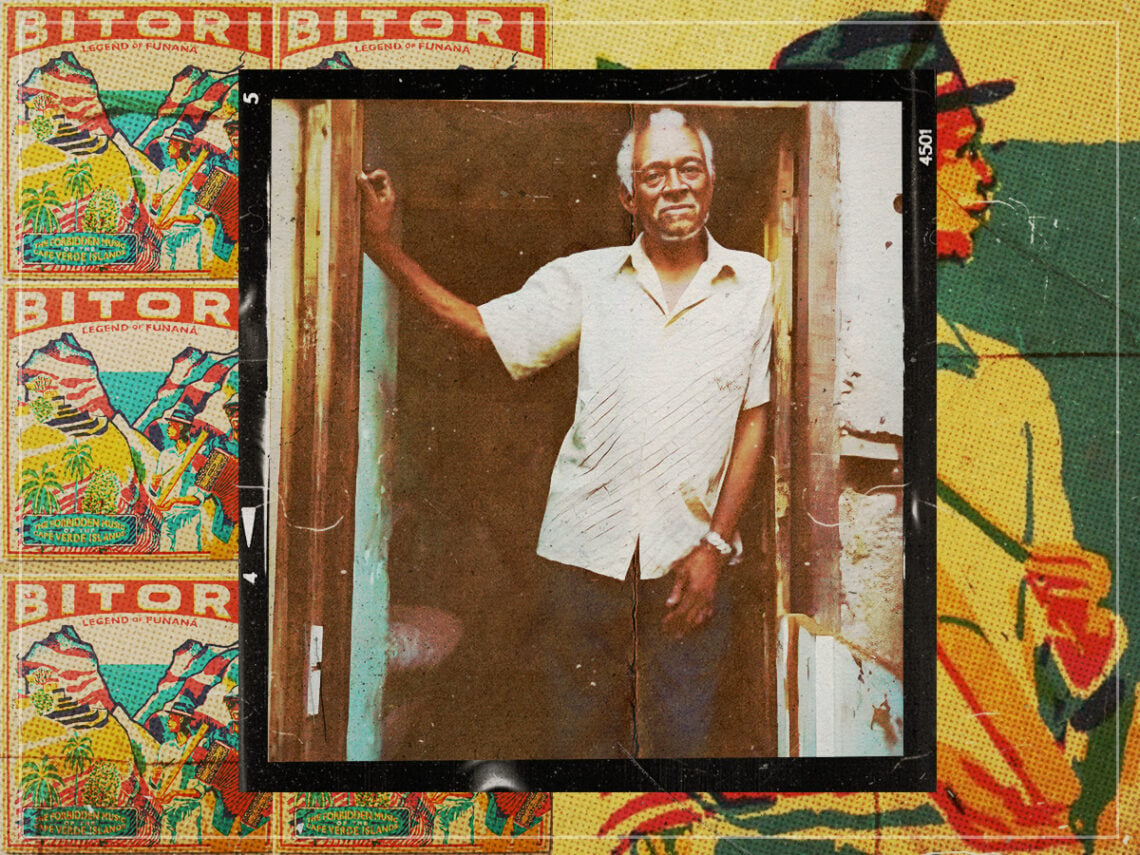
Bitori: and the legend of Cape Verde’s forbidden funaná masterpiece

Fighting colonialism one upbeat track at a time, funaná music is the sound of freedom in Cape Verde. Evolving from the music made by African slaves in rural and farming communities, the music played mostly on accordion is danceable, rousing and full of life. In stark contrast to the region’s famous morna ballads, the ballads are low-tempo dedications to their homeland, usually sending messages of longing for the place the singer misses. While morna comes from a place of mourning, funaná comes from a place of hope.
Considered to be too subversive and rousing rebellion by Portuguese colonialists, the style of music was banned until independence in 1975. Listening to the music now, it’s hard to imagine such a joy-filled genre could be forbidden. The style is made to be danced to, full of ever-changing tempos, swelling mid-sections and vibrant layered instruments playing simple but energetic melodies. Coming to be the soundtrack of national identity and a symbol of Cape Verdeans’ strength and hope for freedom, when independence was won, the genre only grew.
With the style now legalised, more and more artists began to play and develop the sound. However, it took years before the style was put on tape.
It was Bitori, formally known as Victor Tavares, who finally recorded what is considered to be the first funaná album. At 59 years old, wandering into a recording studio for the first time, he was an unlikely hero for the genre, but a hero nonetheless with an inspiring story leading up to the album.
Bitori fought hard to bring the traditional sound back to Cape Verde despite the ban. In fact, in 1959, the artist embarked on a dangerous journey across the seas to Sao Tome and Principe, saving all his money with the mission to bring an accordion back home to Cape Verde with him. When he eventually succeeded, Bitori secretly developed his sound before the ban on funaná was lifted, by which point he’d become a sharp, confident player with his own distinct style.
With the popularity of funaná ever-growing after the lifting of the ban, a singer from Tarafal, Chando Graciosa, got in touch with Bitori after hearing his work, hooked in by the passionate lyrics touching on topics of class strife. Together, the pair dedicated themselves to taking the genre internationally and finally letting the world in on the secret of funaná. They spread the genre around music but still didn’t record anything, prioritising sharing the live joy of the sound.
Despite taking the music on the road, funaná never quite stretched beyond the Cape Verde area. With no music on tape and the traditional accordion style proving to be a love-or-hate sound, the genre failed to spread. Bitori’s sound had been honed and crafted over decades, taking the origins of the genre and merging it with his own distinctive flair, a tight rhythm section and heartfelt lyrics. He decided the whole world needed to hear it, and so, finally, Bitori: Legend Of Funaná was recorded. With Chando Graciosa joining him again on vocals, the duo shot to stardom as the first interpreters of funaná on record.
Independently recorded, the album was passed from party to party, solidifying Bitori’s role as the soundtrack of joy in Cape Verde. But it wasn’t until 2016 when Analog Africa reissued the album as a worldwide release. Finally, Bitori went global with Bitori: Legend of Funaná, Forbidden Music of Cape Verde, finding an international cult fanbase for his pioneering sound of freedom and hope.
