


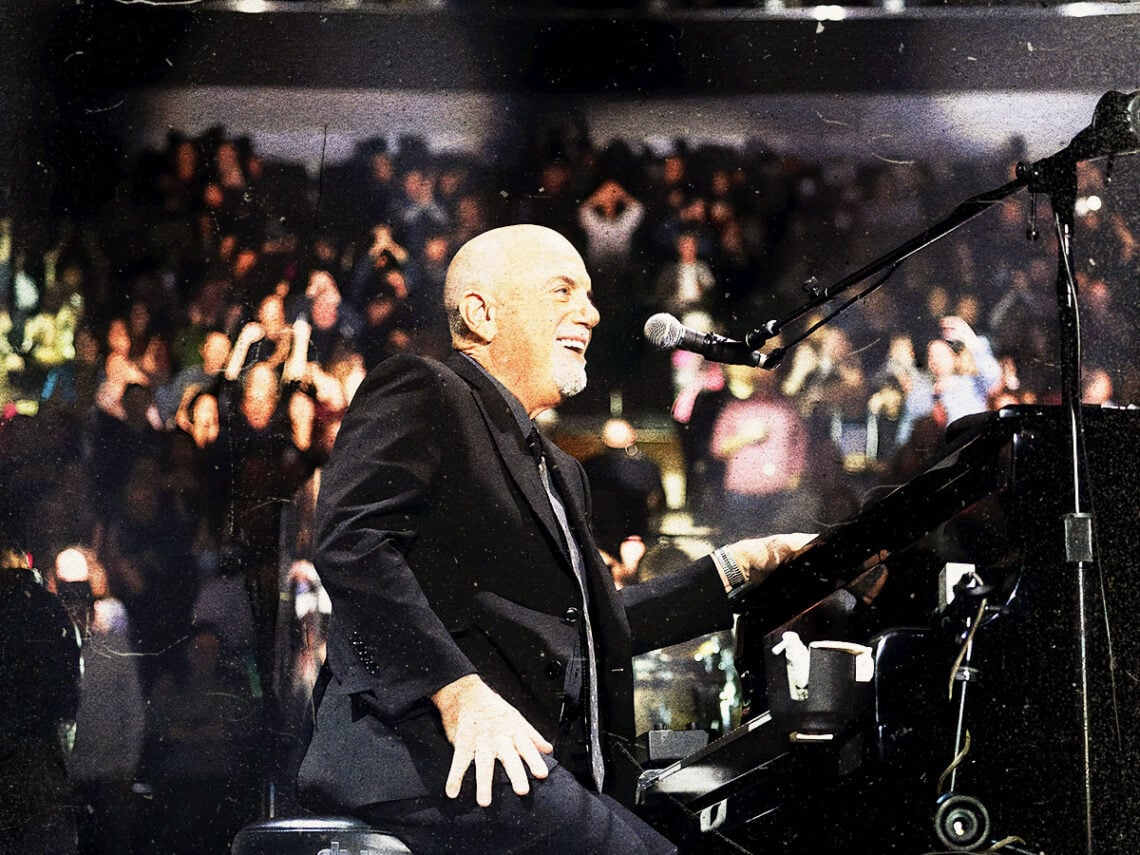
Billy Joel on the artist who was the most influential songwriter “of my era”

Coming up with musicians who are as openly passionate and energised by the art of music as Billy Joel feels like a difficult task. Not only does Joel seem to eat, sleep, and breathe music, but he continually challenges himself by exploring new areas outside his expertise, which makes him one of the more ambitious and forward-thinking artists in music history.
With a mind and work ethic as hands-on and prolific as the music itself, Joel has become one of the biggest cultural touchstones in history and has worked his way into more film and musical spaces than most contemporary artists. Much of this resonance also stems from his perfectionist approach, which doesn’t always come across in his music as much as in what happens behind the scenes.
However, what also makes Joel one of the most musically important figures—particularly in America—is the value he places on historical and cultural discussions and events. These often find their way into his own music, and not just in the obvious and on-the-nose way they became a centrepiece in ‘We Didn’t Start The Fire’. There’s a reason for this song’s popularity, but Joel’s broader knowledgeability often shines in his technical know-how and ability to serenade music in all its forms and iterations.
For this reason, Joel might be the one artist who epitomises the ultimate love of music more than anyone else, purely by instinct and energy alone. Beyond his own music, his vitality in interviews and excitement when discussing and praising the work of others don’t just sit in the usual realm of music discourse; it proves the passion of a man who truly appreciates the art form itself distinctive of his own achievements.
This was perhaps best evidenced by 1997’s Greatest Hits Volume III, which saw the musician branching outside of his own artistry to cover the work of others, no matter how ambitious it seemed. On the album, Joel covered a handful of others’ hits, including Carole King’s ‘Hey Girl’, Leonard Cohen’s ‘Light as the Breeze’, and Bob Dylan’s ‘To Make You Feel My Love’.
His take on the Dylan classic was particularly praised because he managed to reimagine a coveted classic with a subtly unexpected adherence to the original. Joel sings the song with his signature emotionally charged execution, but something about his delivery feels as though he specifically altered some of his usual techniques to appear more Dylan-esque without coming across like he was attempting to do a poor impression of the crooning troubadour.
While promoting the greatest hits record during a radio interview in 1997, Joel discussed his reasons for including these covers on the album, expressing his desire to pay homage to the heroes of his time. Aside from the compilation appearing during a time in his career when he had temporarily diverted from pop music to classical, Joel wanted to collect a tracklist that reflected those who were important “in my day.”
He said: “I haven’t been writing popular music for the last couple of years, I’ve been writing classical music. I was going to put out a greatest hits album, but I wanted something new aside from just the used cars that are on the album already.” Adding: “I tried to pick songs by people who I thought were great songwriters who had been very important in my day. Carole King, Leonard Cohen, and Bob Dylan—who was probably the most influential songwriter of my era.”
While working on his classical album, therefore, Joel still had the wheels turning in his broader scope of musicality and wanted to reflect this passion in his own output. Moreover, instead of only ever focusing on one project, he continually proves his desire to showcase his holistic efforts, making him one of the most creatively immersed musical figures in the current landscape.

Never Miss A Tale
The Far Out Bob Dylan Newsletter
All the latest stories about Bob Dylan from the independent voice of culture.
Straight to your inbox.