


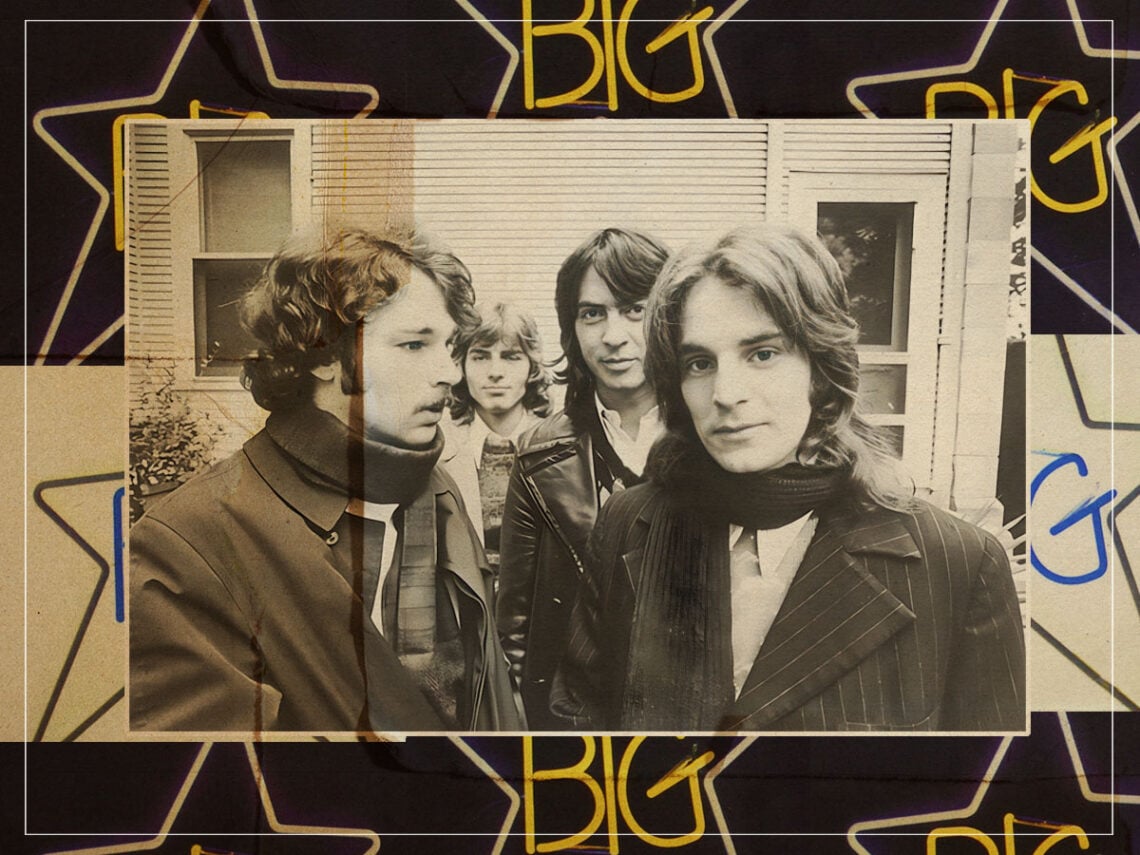
‘Third/Sister Lovers’: the Big Star masterpiece that disappeared for decades

Joining the ranks of Kraftwerk and the New York Dolls in highlighting the 1970s bands that paved the way for the defining musical trends of the following decade is Memphis power pop’s Big Star. Cutting a string of acclaimed LPs filled with Beatles-indebted pop hooks encapsulated in garage jangle, principal songwriters Alex Chilton and Chris Bell would have endeared themselves to the generation of alternative college rock players like REM and The Replacements, as well as The Cars’ anthemic new wave.
While lauded now, commercial success was once frustratingly out of reach. Chilton found fame early while fronting soul-pop outfit The Box Tops, boasting hits such as ‘The Letter’ and ‘Cry Like a Baby’. This was despite receiving little of the singles’ proceeds. He then headed over to his hometown’s Ardent Studios to hang out with his old friend Bell, and he became acquainted with Jody Stephens and Andy Hummel, who also worked there. Obsessed with the British invasion, Bell began penning songs based on his love of The Who and The Kinks and soon enough pulled Chilton into his new venture and formed Big Star around 1972.
Despite critical acclaim, their #1 Record debut sold less than 10,000 copies upon initial release. Glowing reviews couldn’t help the band facing a promotional and distribution disaster amid labels Ardent and Stax’s joint ineptitude, making their jokey title sting with extra irony. Tensions ran high, instruments were smashed, and Bell left the group following a fistfight. The remaining three tentatively regrouped, Chilton shepherding the group’s material for 1974’s Radio City to even greater rave reviews, yet struck with lacklustre marketing once again, resulting in tepid sales.
Aspirations for commercial fortunes had largely waned by the time Chilton and Stephens entered Ardent in the Autumn of 1974 for their ostensible third album. In a frazzled and upended state, the pair set to the task of recording the sessions on their own terms, unencumbered with chasing the charts.
What was eventually cut through was a slew of highly personal songs that veered between the rousing rock ‘n’ roll vibe on ‘Thank You Friends’ to the hauntingly devastating ‘Holocaust’, all imbued with the leaden fatigue of a band hanging by their fingernails. Like Neil Young’s Tonight’s the Night, the sessions can be experienced through a candid and starkly emotional peephole offered by the songs on the album.
Its cluttered and disjointed energy has endeared itself to future lo-fi outsider artists, but this welcoming character was purely incidental. Losing interest before the sessions were scheduled for completion, the resulting tapes were rejected by numerous labels for their lack of pop appeal and long-shelved untill 1978, when it was taken on by the little label known as PVC.
Having never been assigned an official title, Third/Sister Lovers was dropped into the same bucket of commercial duds along with their earlier works. Meanwhile, the band had already disintegrated, and Bell tragically passed away in a car crash later that year.
Chilton would enjoy being namechecked across the 1980s and even reform the band for 2005’s In Space. Nevertheless, it’s Third/Sister Lovers that stands as Chilton and Big Star’s greatest flop, a raw open wound of mordant power pop that made complete sense in the punk milieu it was eventually launched into. But it’s a masterpiece for the same reasons.

Never Miss A Beat
The Far Out Punk Newsletter
All the latest Punk content from the independent voice of culture.
Straight to your inbox.