


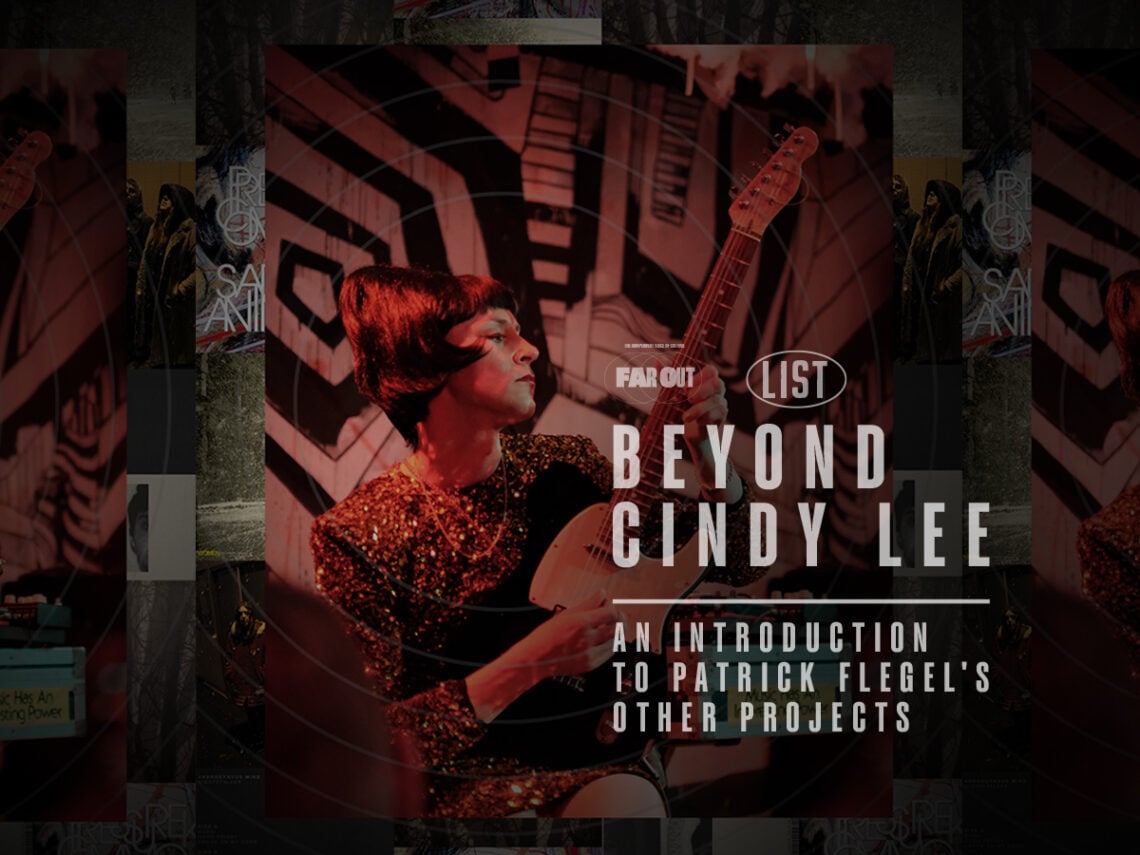
Beyond Cindy Lee: An introduction to Patrick Flegel’s other projects

What other projects has Patrick Flegel been in?
Veritas
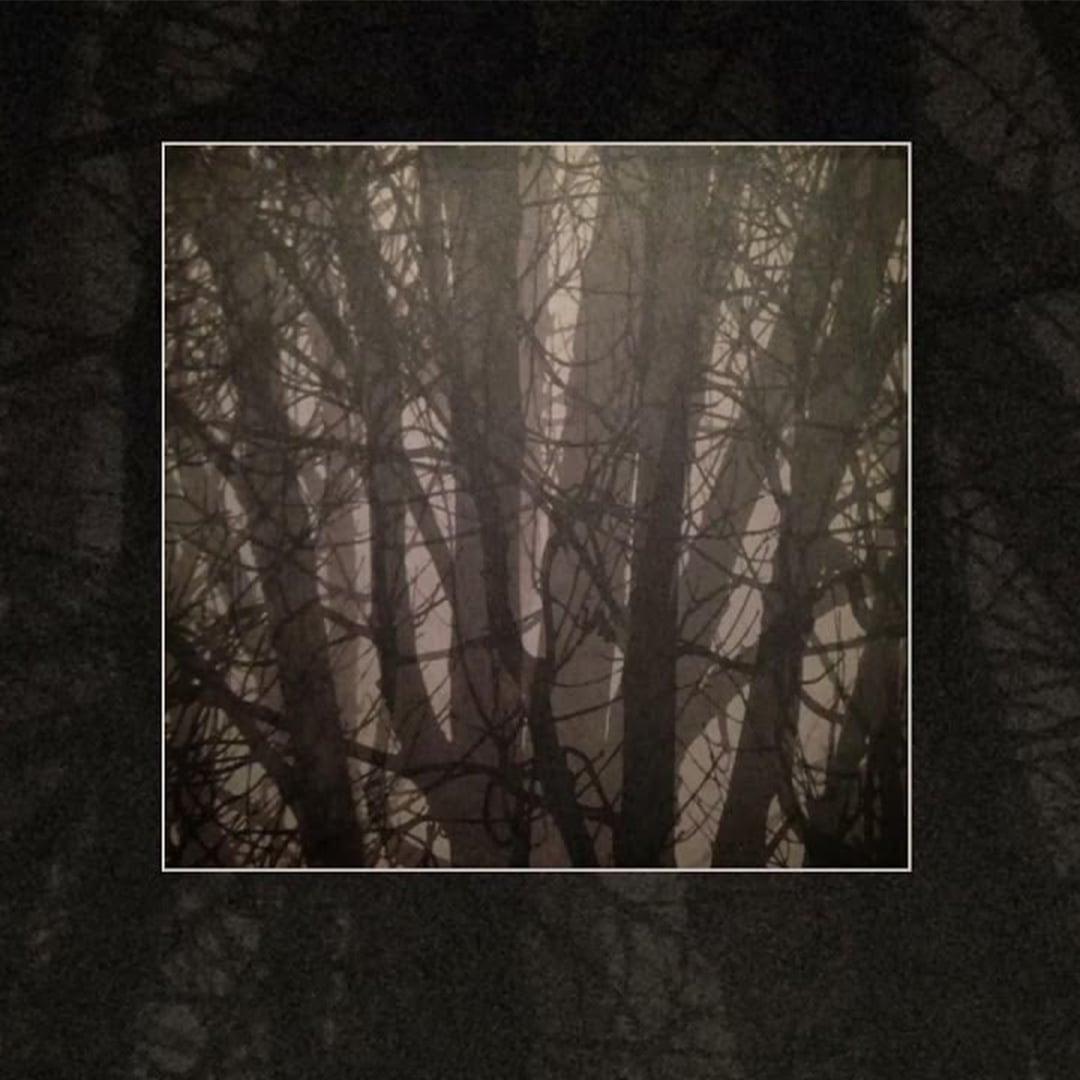
The first known project that Flegel was involved in was Veritas, a post-hardcore-cum-math-rock outfit that they started in their hometown of Calgary, Alberta, alongside their brother, Matt, on bass, guitarist Christopher Reimer and drummer Mike Wallace. Given that their sole release came out in 2004, finding their work on streaming services is tricky, and they’ve done their best to try and iron over the existence of the band.
However, thanks to the ever-trustworthy preservation process carried out by music fans, you can hear their EP, Black Dark / Black Cold, in full via YouTube, and allow it to stun you that this is, in fact, the very same person who delivered such a gorgeous yet peculiar opus last year. The EP may start with a warping Italian film sample, which almost serves as a precursor to the approach they would take with Cindy Lee, but it quickly descends into screamo-adjacent noise, and while this is far removed from where they are now, it does segue nicely into some future projects.
Pressure Kill Common Style
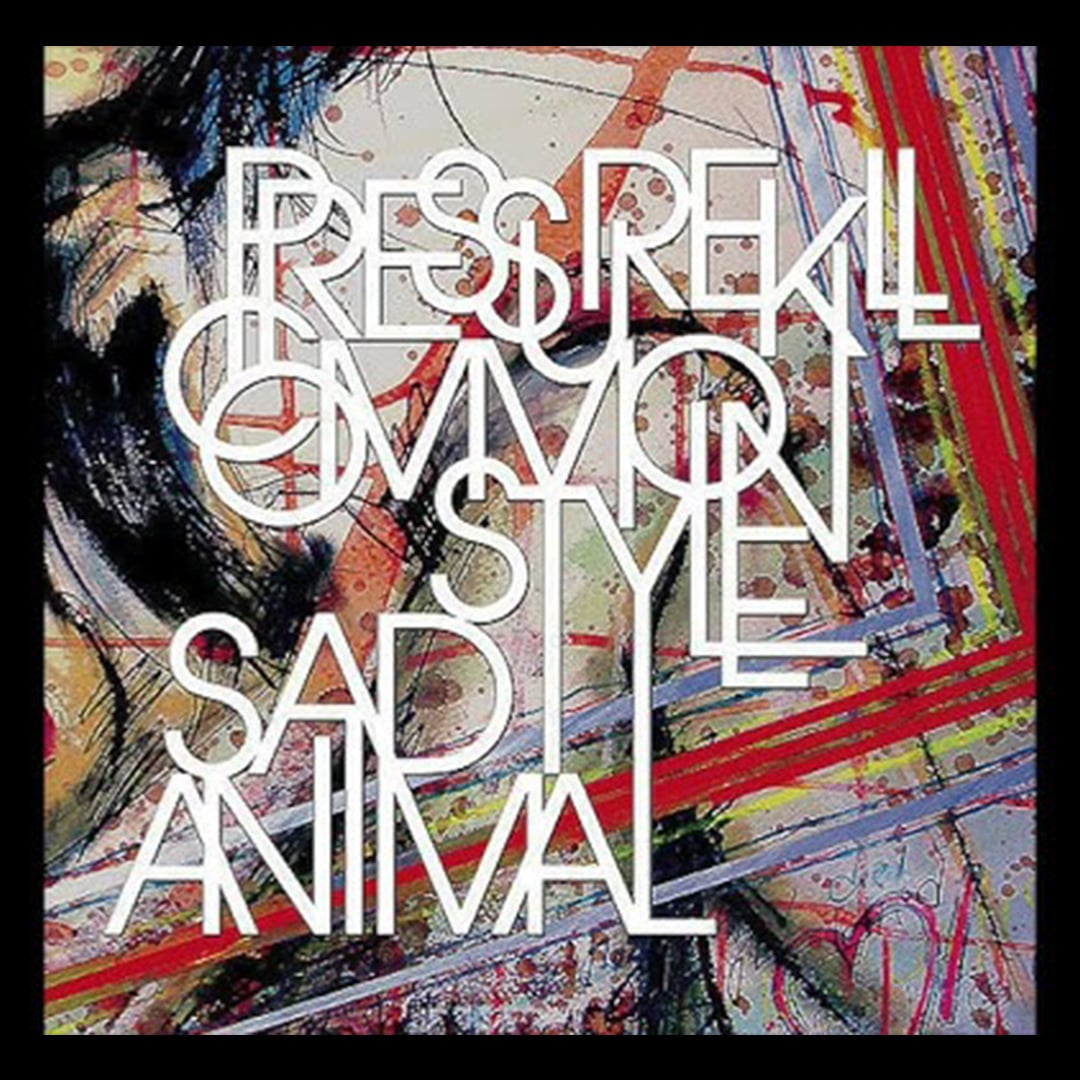
Shortly after the demise of Veritas, another brief project in Pressure Kill Common Style came to fruition, and it couldn’t have been more of an artistic left-turn from where they’d been just two years prior. The duo, which consisted of Flegel and Patrick Anthony, only released one mini-album, and it’s the most unusual one here because of how tame and straightforward it is in its indie rock approach.
Sad Animal is the sole piece of evidence that we have of the band’s existence, and it’s a somewhat underwhelming one due to how safely it plays things when compared to the rest of Flegel’s output. Sure, it does exist as an artefact of a particular brand of indie rock that was popular at the time, but when placed into the wider context of their career, you have to question why they even flirted with the idea of being in a new wave act with such a polished sound.
Women
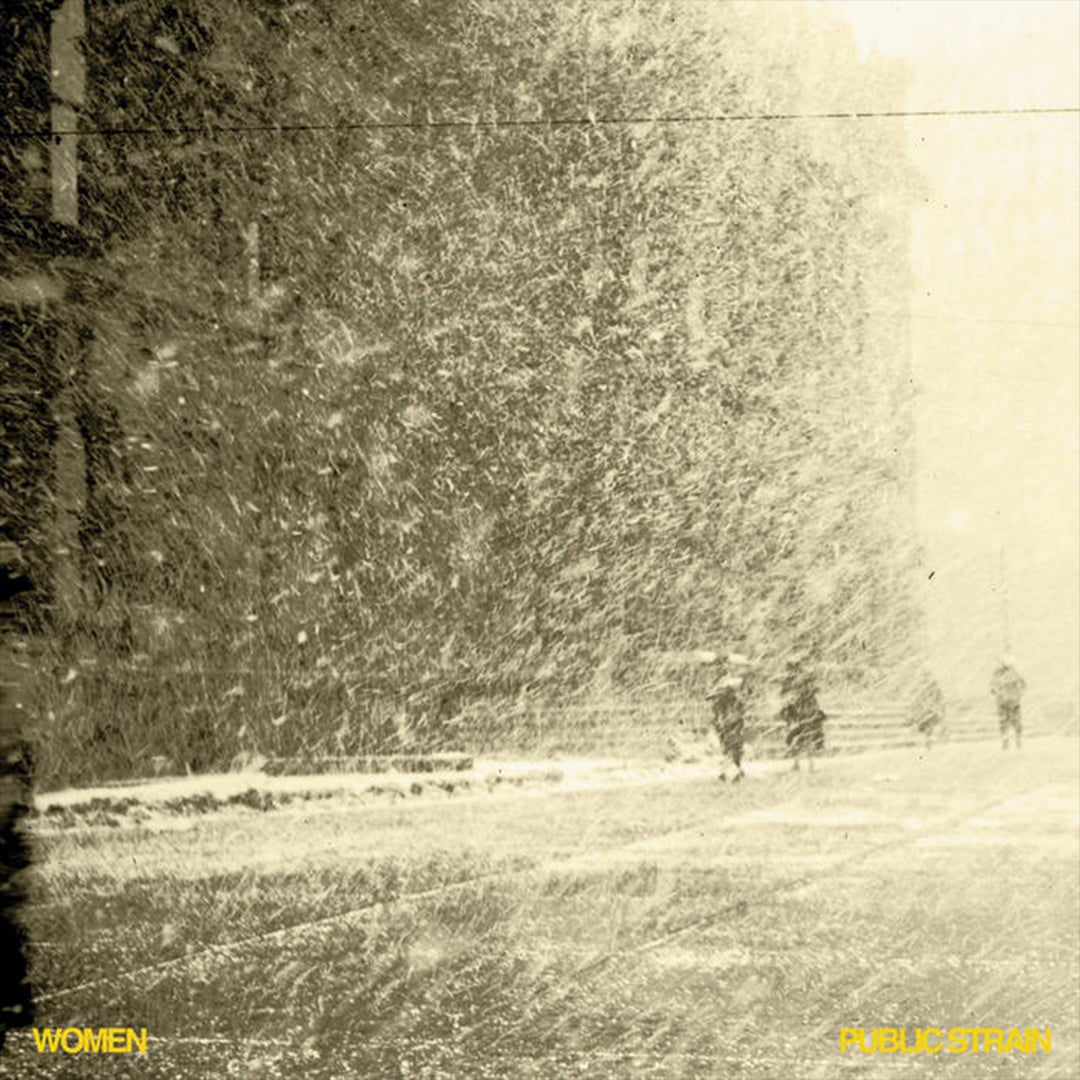
If you recognise the other names mentioned in the lineup for Veritas, that’s because the foursome all went on to be known as Women, releasing two studio albums, their self-titled debut and Public Strain in 2008 and 2010 respectively. Women are perhaps what Veritas should have sounded like from the start, with more of an experimental approach to knotty riffs, noise, psychedelic flourishes and occasional pop hooks, but if Veritas is the underdeveloped precursor to what they went on to create as a group, then this is the far more refined and accomplished incarnation.
Half the band would then go on to form Preoccupations (via a short spell under the name Viet Cong) after an on-stage fight between the Flegel siblings, while Reimer sadly passed away due to health complications in 2011, meaning that the two albums they left behind were sadly all that came of them. However, the influence that they’ve had on the more experimental side of post-punk in the years since is undeniable, with bands such as Ought, Palm and Crack Cloud owing a lot to the paths paved out for them by Women on these two stellar offerings.
Phil’s Knapsack/Fels-Naptha
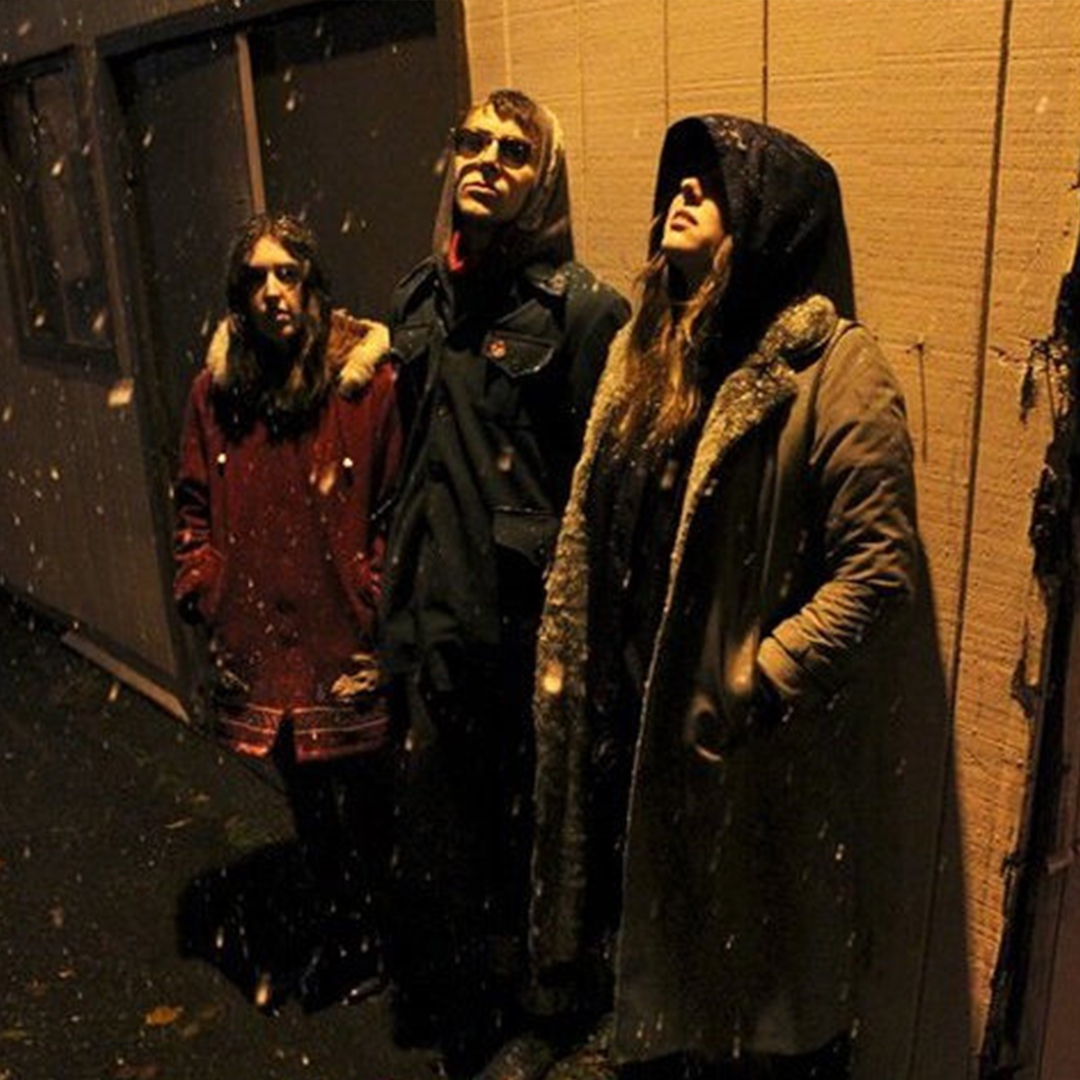
While this is only another short-lived project that Flegel was involved in, and of which there remains little evidence, Phil’s Knapsack (aka Fels-Naptha) featured Flegel alongside Sydney Koke and Nicole Brunel, both of whom had spent time in fellow Calgary post-punk outfit Puberty. Their sole self-titled EP came out in 2011 after the dissolution of Women, and while it shares some of the darkness of that project, rather than being reliant on its tautness and angularity, it’s a far looser affair.
Delivering six tracks of scrappy post-punk that was clearly recorded on a shoestring budget in someone’s garage, Phil’s Knapsack features little to no production value and sounds like An Ideal for Living-era Joy Division butting heads with early Sonic Youth. It’s still got that ethereal quality that has always persisted in Flegel’s work, but it’s far more impenetrable.
Androgynous Mind
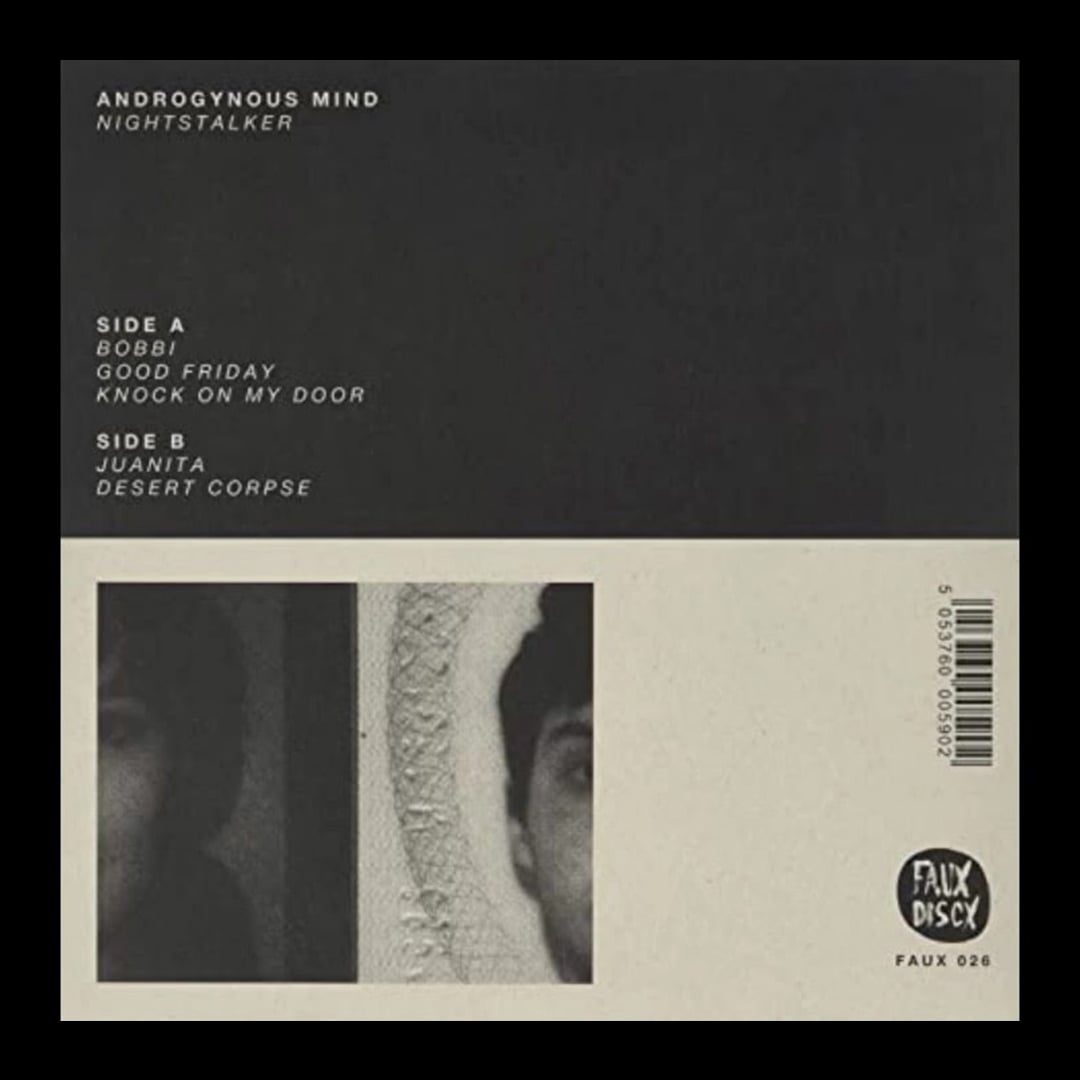
Another one-and-done project, Androgynous Mind was the project that would eventually evolve into Cindy Lee as we know it, and consequently bears the most resemblance to the sound that Flegel is operating under now. Working alongside their Cindy Lee co-collaborator and drummer Morgan Cook, their only EP, Nightstalker is a noisier incarnation of the Cindy Lee that the world knows, although there are definite similarities between this release and their 2020 album, What’s Here to Eternity.
While there isn’t a glut of material for us to sift through under this name, this is still perhaps the most important project to look at alongside Women as far as establishing how Flegel arrived where they are today sonically, and while it’s still a little rough around the edges, it serves a similar purpose as Veritas did for Women – this is the blueprint for the refined version of a project that would emerge shortly after its demise.
Namby Pamby
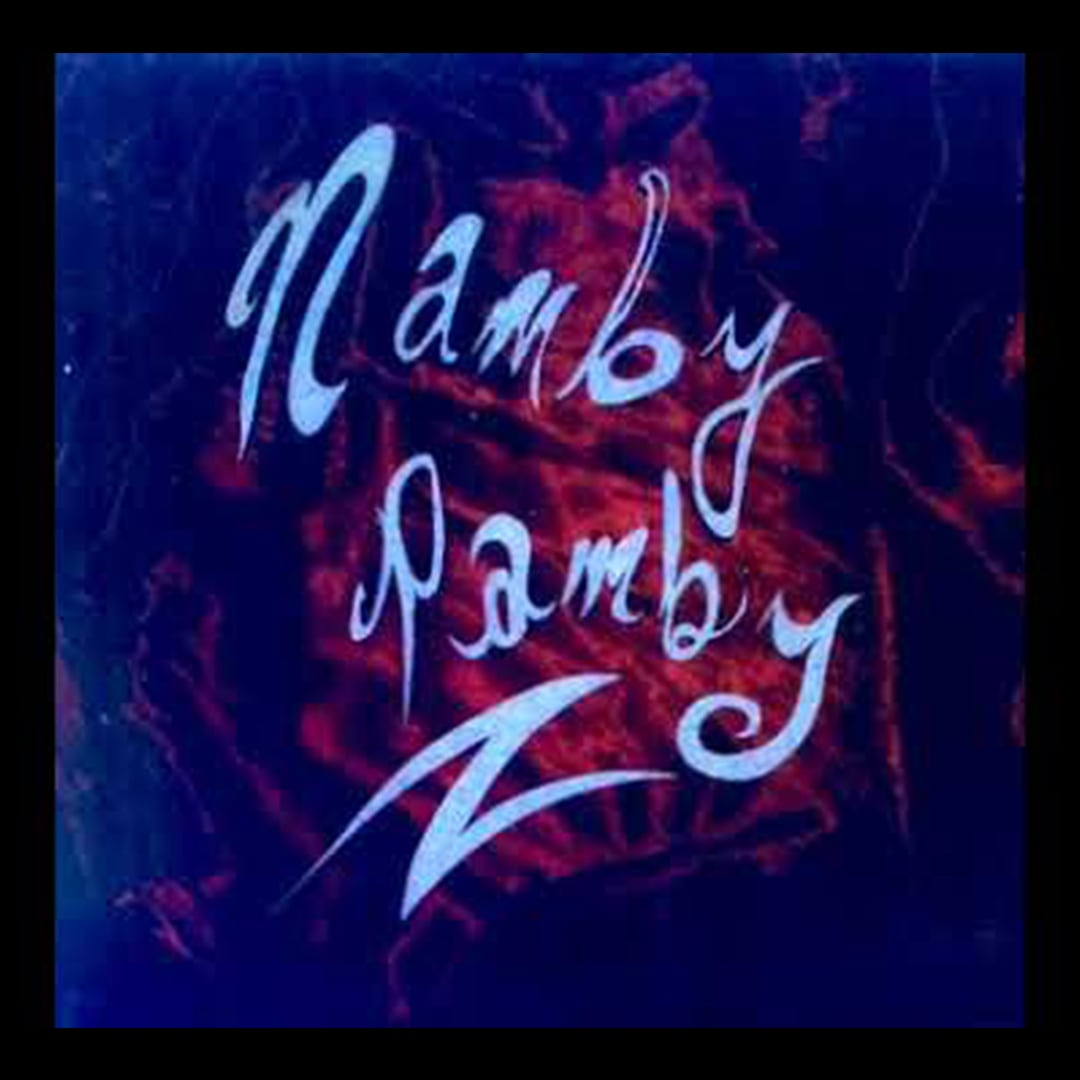
Finishing things off is a completely bonkers release that fuses noise rock, improvisation and acid freakouts, and while – surprise, surprise, they only released one record, this one is unique in that it was recorded as a live performance, and the group went into said show with no prior material written.
Supposedly recorded at a venue named Frank’s Palace in early 2016, The Original Soundtrack As Performed By Namby Pamby was the only release from this Flegel-related project, and not only is it hard to listen to in the sense that it eschews traditional structure, it’s pretty difficult to listen to full stop. Only 15 cassettes were ever made, and yet, the full recording has made its way onto YouTube. God bless archivists, eh?
