


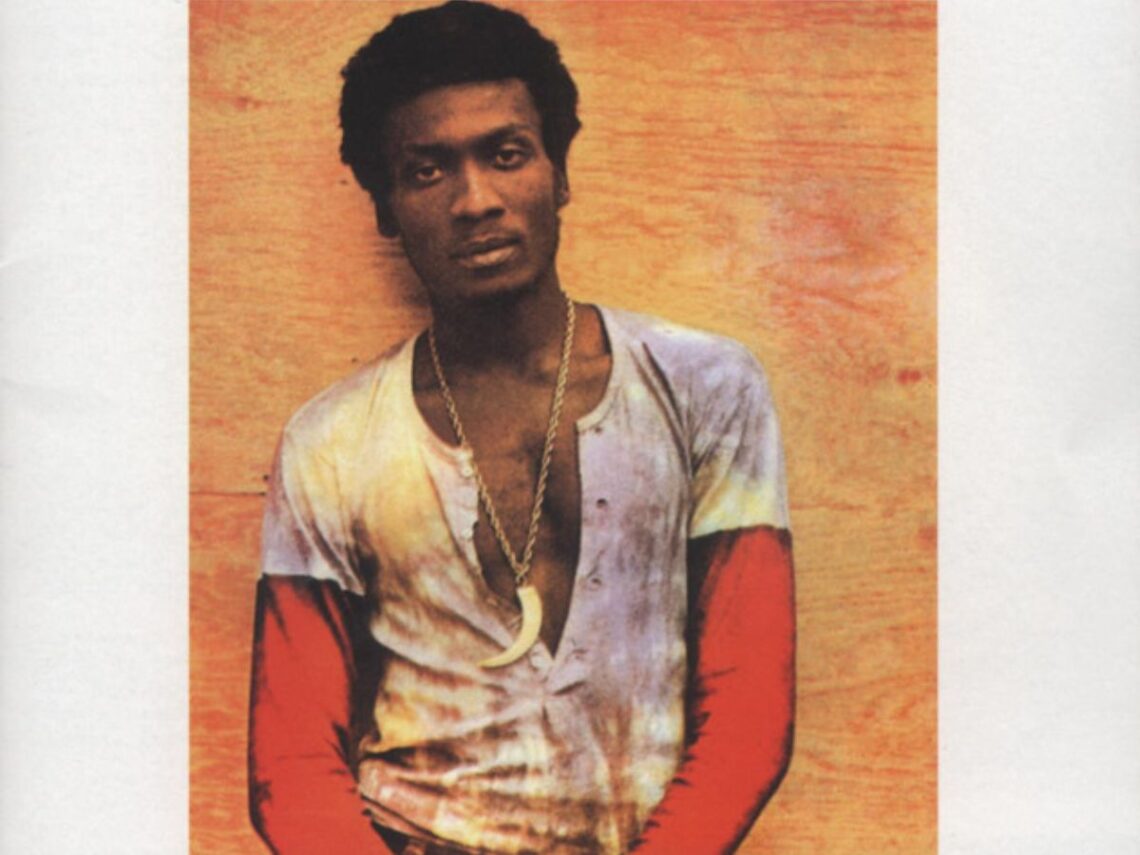
Jimmy Cliff’s ‘Vietnam’: The best protest song of all time, according to Bob Dylan

A time of widespread unrest and political rebellion, the 1960s were a golden age for protest songs, with folk hero Bob Dylan often leading the charge.
Delivering a deluge of groundbreaking political commentary through his distinctively nasal vocals, the songwriter blazed a trail that thousands of future artists were keen to follow. Despite his extensive repertoire of defiant protest anthems, Dylan himself once pointed the finger at reggae pioneer Jimmy Cliff, claiming the Jamaican musician had written the greatest protest song of all time.
To write a great protest anthem is a delicate balance to strike. Of course, it must be valuable in terms of its message, but it must blend this with a sense of musicality that ensures it doesn’t simply fall out of the speakers like more rhetoric. It is the duty of musicians everywhere to separate themselves from the other arts, and this is no different when it comes to the act of protest.
Most leave such anthems to the folk world, with the genre being neatly placed as a lyrical-forward sound that makes it a perfect alignment for messaging. So too is hip-hop, with the lyrical masters behind the tracks able to package thoughts and feelings into powerful messages of rebellion. The least expected genre for such a message is ska, but Jimmy Cliff proved otherwise.
A teenage prodigy in Kingston, Jamaica, Jimmy Cliff is among the most important artists to ever grace the airwaves of the Caribbean island. Throughout the early 1960s, in the wake of Jamaica’s independence from British colonial rule, the budding young artist took full advantage of the nation’s cultural explosion, adopting the emerging styles of ska and rocksteady. Eventually, the artist’s incredible voice and unwavering artistic drive landed him on the desk of Island Records, leading him to pack his bags and relocate to the UK, where his music would reach a much wider audience.
For many of those early years, Cliff was a well-kept secret within the UK, beloved by early reggae obsessives and the blossoming skinhead subculture. However, his unique ability to give the national sounds of Jamaica a totally universal appeal eventually provided the reggae progenitor with a plethora of high-profile fans, particularly following the release of the 1972 film The Harder They Come and its subsequent soundtrack album, putting Cliff in the starring role.
One of Cliff’s many appreciators during that time was Bob Dylan, whose musical taste always reached a little further afield than many of his peers. Although Dylan was never likely to affect a phoney Jamaican accent, à la Bad Manners’ Buster Bloodvessel, he could certainly recognise the unique appeal of those early reggae and ska records. In particular, he held an appreciation for Cliff’s 1969 composition ‘Vietnam’.
Vietnam was an unavoidable topic in music back in the late 1960s, with countless protest anthems written criticising the conflict, arguably as a result of Bob Dylan’s efforts to bring socially-conscious songwriting to the masses. Dylan wrote a variety of anti-war anthems during the Vietnam protest movement, inspiring countless other artists to follow suit, including Jimmy Cliff.
In a similar vein to Dylan, Cliff takes the colossal topic of the Vietnam War and brings it into the scope of ordinary people. Telling the tale of a soldier fighting in Southeast Asia, writing to his family back home, only for the letters to be followed by a telegram informing his mother of the soldier’s death, the song is as hard-hitting as they come.
Cliff himself never served in the armed forces, but he witnessed a friend of his leave to fight in Vietnam, only to return home a completely different person, psychologically. Using that dark inspiration, the Jamaican songwriter brought an entirely new sound and perspective to the landscape of protest music during the time, crafting a track that was as infectious and foot-tapping as his earlier ska-ridden efforts, but with some of the most emotionally affecting lyrics ever written.
Contrasting that distinctive reggae rhythm with the heartbreaking tale of a mother losing her son adeptly drove home the effect of this wholly unnecessary war on the youth of America and, crucially, their families. Dylan himself explored similar songwriting themes during that time, although with his deep appreciation for Cliff’s track, it is unclear who was influencing who.

Never Miss A Tale
The Far Out Bob Dylan Newsletter
All the latest stories about Bob Dylan from the independent voice of culture.
Straight to your inbox.