


‘Berlin Horse’: Malcolm Le Grice’s pioneering study of the film image

The origin of cinema is primarily rooted in the traditions of chronophotography, a technique developed to create a visual representation of motion. Through the works of visionaries such as Étienne-Jules Marey and Eadweard Muybridge, the unique movements of animals were successfully translated to another medium, giving birth to a new mode of expression. Animal movements continued to fascinate many later filmmakers, including the British avant-garde artist Malcolm Le Grice.
Considered by many to be among the leading modernists in the varied landscape of 20th-century British cinema, Le Grice was initially interested in painting but eventually extended his philosophical concerns to other mediums, including filmmaking. Ranging from revelatory dissections of the kind of work produced during the silent era to projects based on relatively modern formats such as 3D, Le Grice’s body of work is essential for anyone who is interested in experimental cinema.
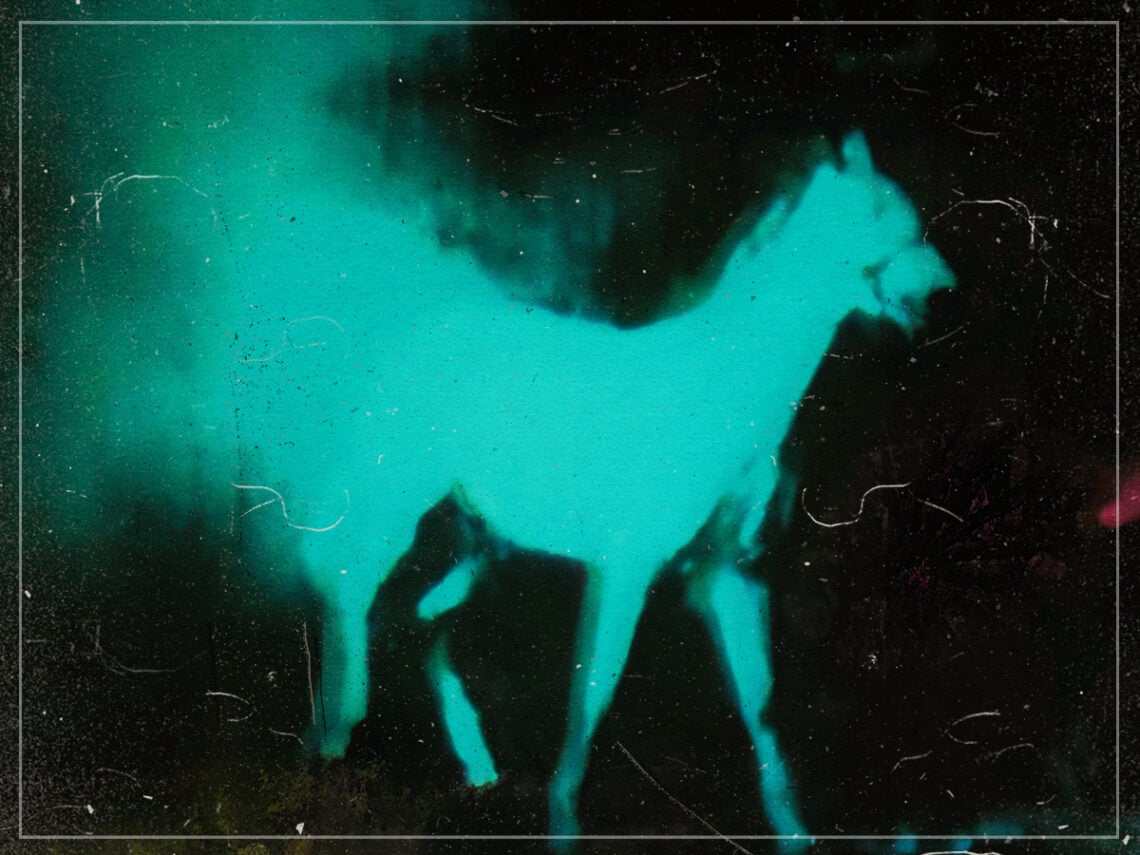
To engage with cinematic history, one has to confront the images of the past, and that’s precisely what Le Grice managed to do in his monumental 1970 gem, Berlin Horse. Divided into two fragments, it includes refilmed footage of horses in motion as well as parts of an 1896 work, The Burning Stable. By passing the stream of images through colour filters and rounds of superimposition, the filmmaker changes the frameworks of reality itself.
While talking about the visual foundations of Berlin Horse, Le Grice explained that the film challenges our conventional definitions of time. He said: “It attempts to deal with some of the paradoxes of the relationships of the ‘real’ time, which exists when the film was being shot, with the ‘real’ time, which exists when the film is being screened, and how this can be modulated by technical manipulation of the images and sequences.”
Although it is in direct conversation with the chronophotography of Marey and Muybridge, Berlin Horse is also in opposition to the objectives of those silent-era pioneers. We are subjected to the disintegration of the cinematic image, as the repetitive motion of the horses on-screen helps them escape the aesthetic principles that govern their existence. Marked by chromatic shifts and the collapse of physical boundaries, it’s a frighteningly original visual spectacle.
With an incredible score by none other than Brian Eno, the elusive stream of images and the ethereal music combine to create a cinematic experience that doesn’t just work theoretically but also psychologically. Along with Le Grice’s investigations of the origin of cinema, Berlin Horse delves deep into the human psyche and attempts to make us see the world around us in a refreshingly novel way.
Watch the film below.
