


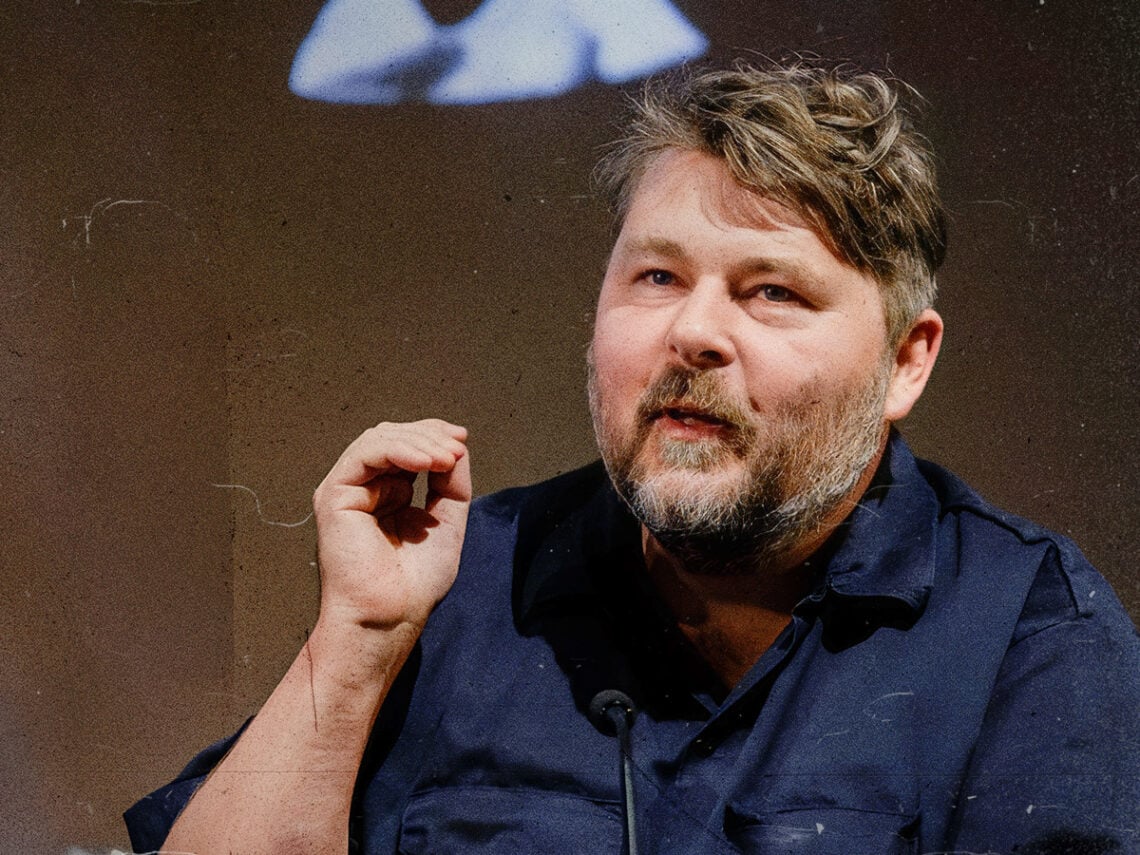
The directors Ben Wheatley called the holy trinity of underrated British filmmakers

Based on his first few features, the notion of Ben Wheatley making the jump to Hollywood to take the reins on a CGI-laden blockbuster seemed fanciful at best, if not downright implausible.
After all, the singular mind responsible for the chilling Kill List, the off-kilter Sightseers, and the haunting A Field in England was clearly a filmmaker who relished the creative freedom and artistic autonomy that came with working with minuscule budgets free from the shackles of studio interference, carving out his own distinctive niche in British cinema into the bargain.
Free Fire was the first overt hint that Wheatley had more commercial fare in mind, but it speaks volumes about the difficulty in making that transition from the industry’s micro to macro that Meg 2: The Trench cost significantly more than his entire filmography combined, earned close to $400 million at the global box office, and was comfortably the worst movie he’s ever made.
Having helmed ten films of wildly differing genres, Wheatley arguably doesn’t fall into the underrated bracket anymore when he’s become such a known commodity. Then again, the names he views as the holy trinity of the United Kingdom’s most overlooked auteurs all had stellar reputations of their own.
The recurring theme is that none of them made a mass-marketed picture accessible to audiences of all ages, which, by default, made them an entirely different prospect from Wheatley himself, who decided the best way to introduce himself to the studio system was by having Jason Statham battle prehistoric sea creatures.
“I’ve certainly been appreciating the Ken Russell stuff a lot over the last few years, rewatching it,” Wheatley told The Skinny of his forays into classic – and often controversial – British cinema. “I’m a massive fan of The Devils. It’s a spectacular movie and one of the best British films made if not one of the best films made.”
Russell was a contemporary of Nicolas Roeg, director of Don’t Look Now and The Man Who Fell to Earth, and John Boorman, who wielded the megaphone on Point Blank, Deliverance, and Excalibur. All three made great movies that have stood the test of time as classics, and some of their efforts even toyed with commercial and awards season success, but Wheatley doesn’t think they’ve ever gotten their due.
“For me, it’s kind of the holy trinity of him and Roeg and Boorman, but they seem to be quite underappreciated for some reason. I don’t know why,” he mused. “I mean when you see something like Point Blank, an incredible film, and from someone who was very young at the time. I’ve been rewatching that quite a lot and it’s very modern, it doesn’t really date.”
Russell, Roeg, and Boorman all have their fans, and they’re all well-established as three names integral to the reinvention of British cinema in the 1960s and 1970s, but Wheatley remains adamant they deserved more flowers than they were ever given.
