


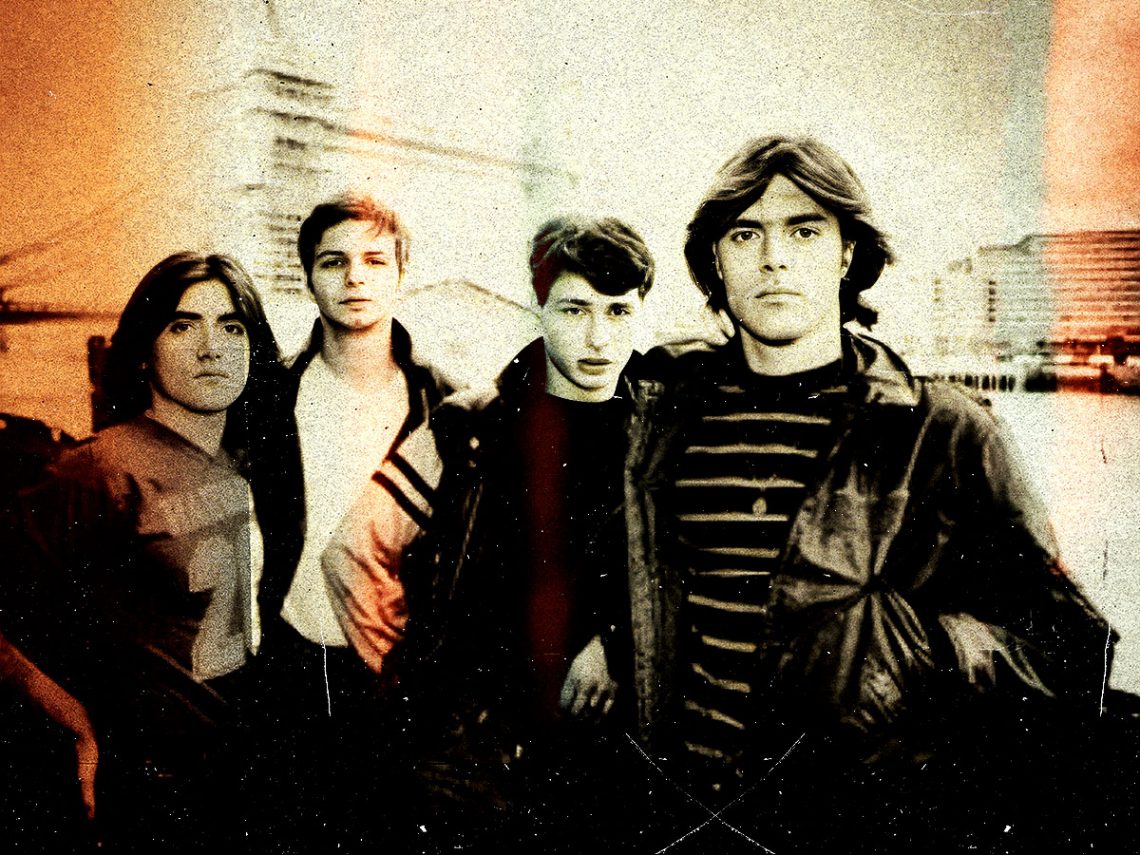
Why did the BBC ban the Cockney Rejects?

Receiving a ban from the BBC is an act that will give an artist permanent notoriety. Most of the time, there is a valid reason for this treatment to be handed out, but all it took for the Cockney Rejects was one controversial appearance on ‘Top Of The Pops’.
The Cockney Rejects were booked for the programme following the success of their hit song, ‘I’m Forever Blowing Bubbles’. Since 1940, the track has also been an anthem associated with the Cockney Rejects’ beloved West Ham United Football Club, a team that had reached the FA Cup Final in 1980 and inspired the cover. Following the release, the single peaked at 35 on the UK Singles Chart and earned the band an appearance on the nation’s favourite music programme.
At the time, football culture was shrouded in a dark cloud of hooliganism, and through covering ‘I’m Forever Blowing Bubbles’, the Cockney Rejects further aligned themselves with the scene. Whether consciously or subconsciously, the BBC’s punishment feels associated with the Rejects’ link to a knees-up at the football.
When they appeared on national television to promote ‘I’m Forever Blowing Bubbles’, the Cockney Rejects were only teenagers and naturally had fun at the BBC. Alcohol was flowing freely, and following the mimed performance, they caused a scene by running around the building, causing mayhem. Vocalist Jeff Geggus later told Fear and Loathing: “We were just supporting our team. I mean, if someone had said to me a year before that West Ham were going to be in the Cup Final and that we’d be doing a Punk version of ‘Bubbles’ on Top Of The Pops, I would’ve never have believed them. So of course we were going to be lairy.”
He added: “I mean, if it had happened now, the press would’ve loved it, but back then, being punks, they thought it was terrible that four kids were allowed to run-riot at the BBC. But what did they expect ? Although, I have to say, I was the only one who wasn’t drunk… only because they wouldn’t serve me in the bar … I didn’t have any snide ID with me!”
Geggus also shifted the blame towards their label, EMI and said: “Nah, there was no help or guidance. They just looked at us as a cash cow for a bunch of people who wanted to make money. They were looking at us, like, give them their 18 months and then they can fuck off and we’ll keep the money. That was basically the way it went. There was no one to guide us or help us along the way…”
It wasn’t only the BBC that banned the Cockney Rejects from performing. For a time, they weren’t allowed to play anywhere in London. Geggus explained: “We got a ban from Ken Livingstone and the GLC. We still don’t really know why they picked on us. There were loads of fights going on everywhere. Even Madness used to have a lot of trouble at their gigs. There used to be loads of Nazis going to see them.”
He added: “We were the only ones who really stood up against that lot and we were only kids when we were doing it, so that took a lot of balls.”
With the benefit of hindsight, the Cockney Rejects’ treatment by the BBC and elected officials in London was entirely unfair. In the 1980s, worse things were happening backstage on ‘Top Of The Pops’ than some drunken teenagers causing mischief. On both occasions, the punk band were unreasonably scapegoated.
