


Bas Jan Ader: the performance artist tragically lost at sea

Performance art has divided critics and the general public for decades due to the often shocking and divisive methods of expression used by such artists. From Maria Abramović allowing people to abuse and torture her to Chris Burden nailing himself to a car, performance artists have often pushed their mental and physical capacities to the limit in the name of art.
A common theme in the work of many performance artists is the relationship between the body and death. Corporeality and transience are often explored through daring endurance tests, sometimes lasting hours, days or even months and years. As a result of these often-intense performances, some artists have narrowly brushed death, such as Abramovic, who almost died during a performance of ‘Rhythm 5’ when she jumped through flames, only to render herself unconscious.
However, in 1975, Dutch artist Bas Jan Ader set sail across the Atlantic from Cape Cod, only to disappear completely. Whether Ader intended to disappear remains a mystery, as does the question of whether he is still alive.
The artist, born in 1942, had an intense childhood. After his father assisted many Jewish people in escaping the Holocaust, he was executed by the Nazis, leaving a lasting impact on Ader. However, by the 1960s, Ader had relocated to America, finding success in studying at Otis College of Art and Design and Claremont Graduate University.
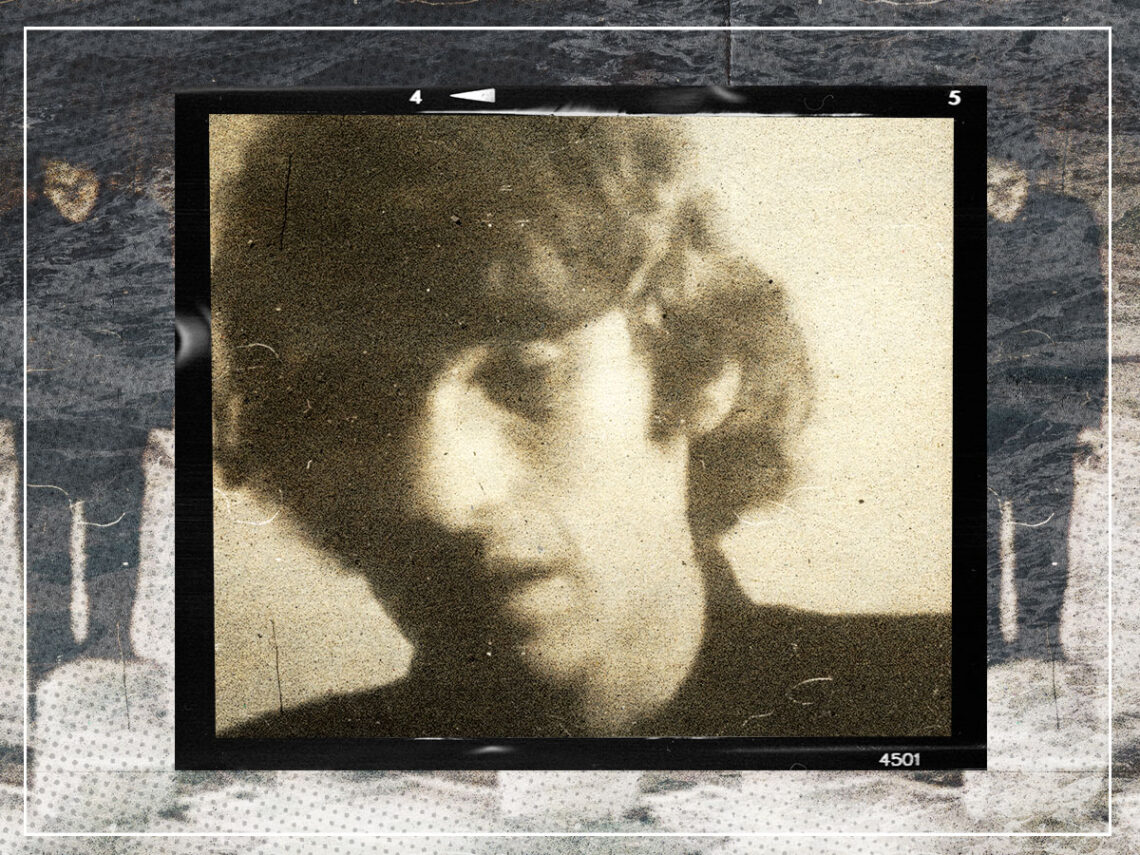
In Ader’s early work, he often explored themes such as death, absurdism, existentialism and fate. He frequently made short films to present his work, sometimes accompanied by photographs. For i’m too sad to tell you, Ader filmed himself crying in black-and-white before turning some stills into postcards, mailing them to friends with “i’m too sad to tell you” written on the back.
Elsewhere, Ader created short films like Fall I (Los Angeles), where he filmed himself falling off a slanted roof and into some bushes. For Fall II (Amsterdam), he captured himself biking into a canal. For many, Ader’s work might seem bizarre, pretentious, or simply pointless. Others have paid homage to the artist, with pieces like i’m too sad to tell you inspiring work by people such as David Horvitz and Vik Muniz.
Ader’s art merged with his life, leaving people to question whether his overseas expedition was one final, bold act of performance. The journey formed part of a larger work, beginning with a series of photographs of the artist walking around the shadowy streets of Hollywood. The project was titled, In Search of the Miraculous, with the pictures going on display at Claire Copley Gallery. Here, Ader arranged a performance of sea shanties before embarking on a one-man trip across the Atlantic, aiming for Falmouth, England.
However, in 1976, Ader’s small boat, named Ocean Wave, was found by Spanish fishermen. Despite his previous experience with sailing, Ader had failed to complete his journey, and he was never seen again. Whether he purposefully staged his disappearance is still speculated, with some believing that Ader’s piece was yet another exploration of death and mortality. However, it seems most likely that Ader accidentally drowned, tragically succumbing to the waves, echoing the themes explored in his artworks.
Ader’s widow, Mary Sue Andersen-Ader, believes her husband never intended to die. In 1976, she told Avalanche magazine: “They had rumours going for months that he was alive and well. […] I’m absolutely convinced that [committing suicide] was nowhere in his consciousness. We talked about it, and he assured me repeatedly these were not his intentions.”
