


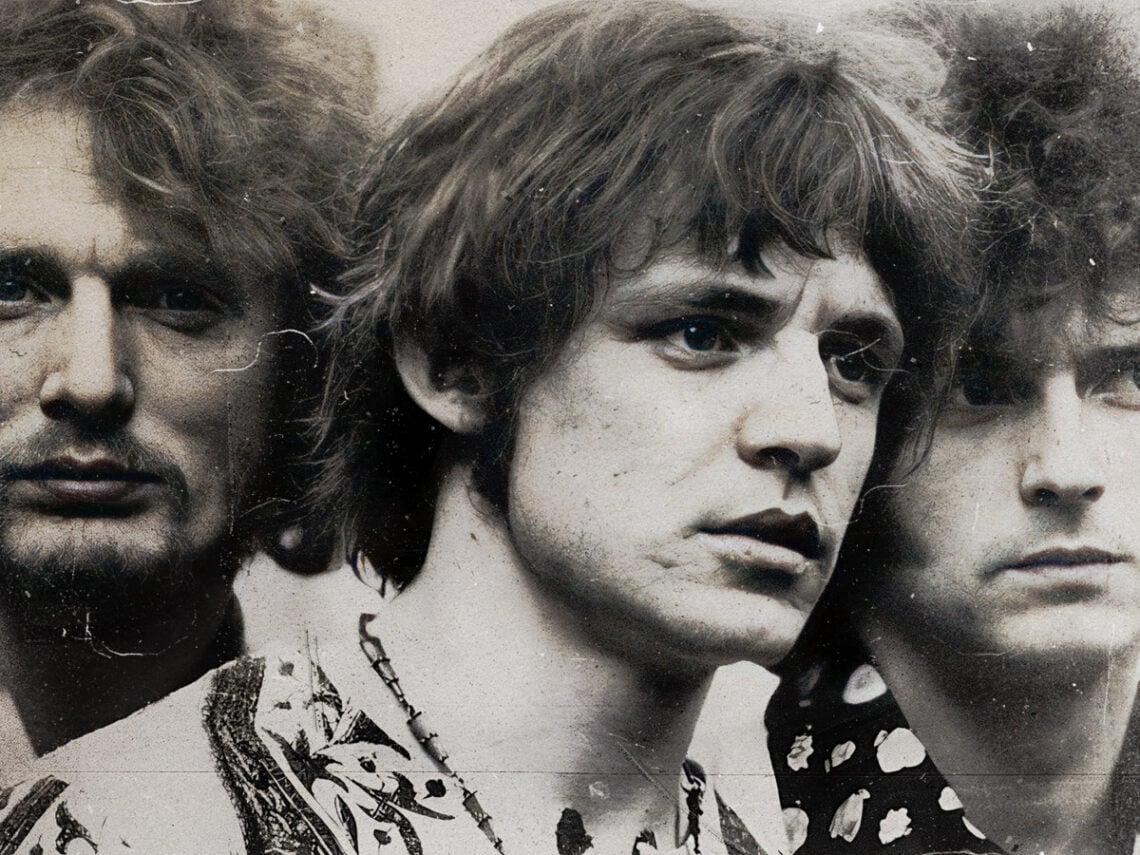
The Tony Williams Lifetime: The band Jack Bruce said were “more important” than Cream

Jack Bruce was such a remarkable bassist that despite he and Ginger Baker’s infamous and violent rivarly in their old band, The Graham Bond Organisation, Eric Clapton would not agree to form a new outfit with the flame-haired drummer without hiring the best four-string player around. Despite hating the Scot with every fibre of his being, Baker knew that his dream of starting a pioneering group, comprised of only London’s musical galacticos, could not take shape without Bruce. That was the start of Cream.
Together, alongside lyricist Pete Brown – who helped them devise classics such as ‘I Feel Free’, ‘White Room’ and ‘Sunshine of Your Love’ – Cream pioneered psychedelic rock. While each member had been a cult figure due to their previous efforts, now they were bonafide cultural game-changers who had made a tangible impact on life. However, like many things of significance, their time in the sun was brief, and due to addictions taking their toll and Baker and Bruce’s rivalry reaching new pits of hatred, the band imploded in November 1968. Their fourth and final offering, 1969’s Goodbye, arrived four months after they split.
Following Cream calling it a day, each member tried their hands at various different projects, as they sought to prove that they could do it without their old band. There was never any doubt about their technical aptitude and significance, but due to their egos and the fact that they wanted to put the nightmare of Cream behind them, each pushed on. Clapton launched Blind Faith, Derek and the Dominos, and his solo career. Baker founded Ginger Baker’s Air Force and worked with Fela Kuti in Africa, and Bruce performed with the likes of West, Bruce and Laing.
Striving to show his chops post-Cream, Bruce released his debut solo effort, Songs for a Tailor, in 1969, which objectively did, and was followed by Things We Like the following year and Harmony Row in 1971. He would also get back to his jazz roots by performing with the jazz fusion supergroup, The Tony Williams Lifetime, on Turn It Over, in 1970. During this era, he also expanded his skills on the likes of Carla Bley’s Escalator Over the Hill and Mike Mantler’s No Answer.
Despite the artistic successes of such projects, the end of the original lineup of The Jack Bruce Band in 1975, featuring Mick Taylor and Carla Bley, under the weight of egos and creative differences, crushed him, making him think he could never shake off the tag of being the ex-bassist of Cream. In his mind, every effort had failed to rid him of the ghosts of the past.
“It’s been difficult to live with,” Jack Bruce told Sounds of trying to forget Cream in 1977. Then explained which of his projects he thought was “more important” than them: “Cream was only one of the many bands I’ve been with. Other things have been more important, like Lifetime. Even though it was short-lived, that band was like going to school.”
He continued: “People tend to dismiss these things because they weren’t tremendous commercial success’. There’s a tendency with me to do things that might be a little bit ahead of the time. But that’s past. Not anymore. People had too many memories before. This is a new beginning. Again.”
Bruce was being hard on himself. Not only was he majorly successful in changing bass playing for the better as well as rock music at large, the accomplishment and artistic dynamism conveyed by his extensive discography is of a truly rare kind.
