


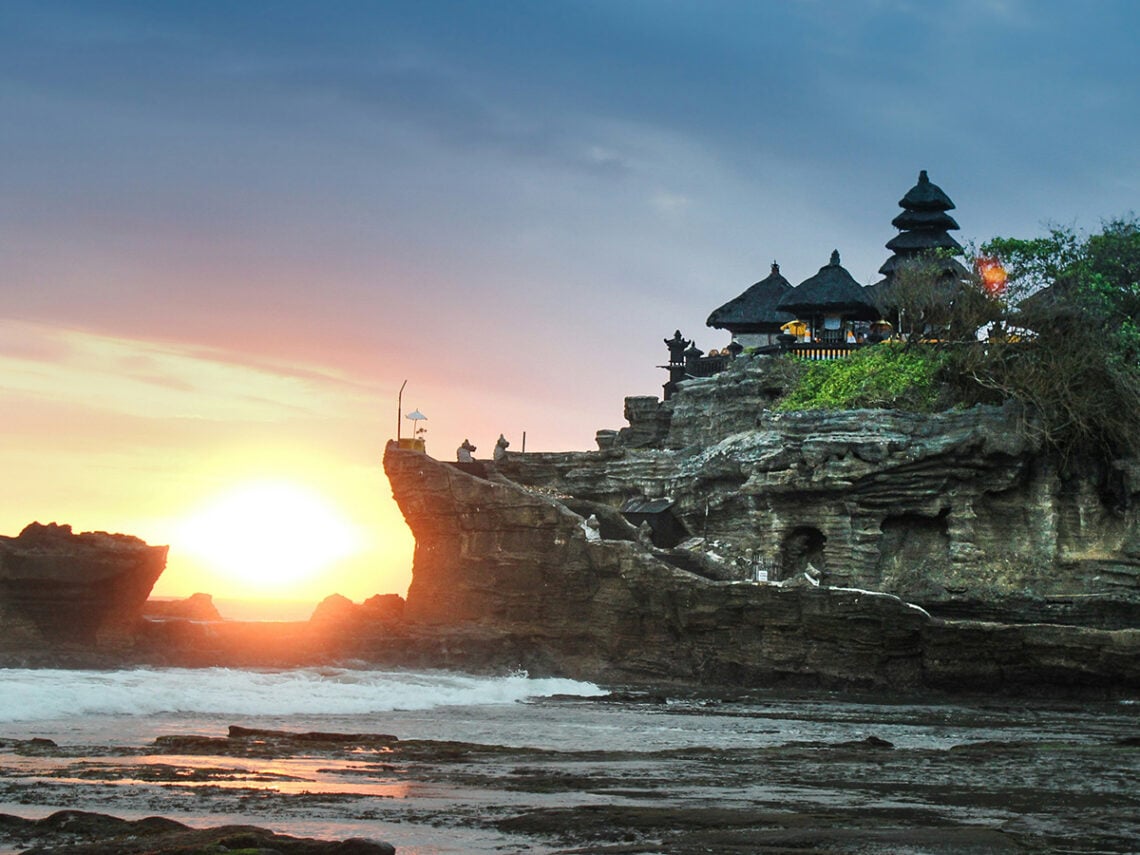
Bali announces ban on building hotels amid mass tourism fears

In an attempt to curb mass tourism, Bali has put a suspension on the construction of new hotels, nightclubs and villas to try to combat the mass development of the island.
The decision comes as Indonesia takes steps to attempt to protect the province of Bali, including its small islands, from the huge waves of tourism they see year after year. Government statistics claim that 2.9million foreign visitors arrived through Bali airport in the first half of the year, which makes up 65 per cent of total foreign arrivals in Indonesia by air. Given the size of the area, Indonesian authorities fear that these numbers are too high, placing the locals and normal functioning infrastructure of the Island at risk.
Furthermore, they shared statistics that suggest this number has expanded in correlation to the growth of new developments. In 2019, there were 507 hotels in Bali. Now, there are 541. However, the government has now put a moratorium to prevent the construction of any more.
The ban is part of a wider government bid to reform tourism in Bali and try to boost the quality of life and jobs for locals, preserving the island’s indigenous culture. It takes aim at over-development for commercial purposes, such as hotels, villas, and beach clubs, targeting four of Bali’s busiest tourist hot spots.
Tourism Minister Sandiaga Uno said that the government wants to stop the same situation being seen worldwide happening in Bali. He wants to avoid “a situation like Barcelona, where tourists became public enemies,” causing locals to protest in the street about over-tourism in the city.
Already, the numbers are staggering. As well as over two million visitors in only half a year, senior minister Luhut Pandjaitan reported that over 200,000 foreigners now live in Bali, contributing to issues such as crime, over-development and fierce competition for jobs. Videos of tourists misbehaving on the island routinely go viral, leading to heightened tension between residents and visitors.
As Bali becomes a more trendy place for people to visit or even move, the government are concerned about how that influx of outsiders might impact daily life on the island. As this moratorium is put in place, which could last for up to 10 years, the government hope that pausing development could put a pause on the growth of tourism and allow the island to reprioritise its locals.
