


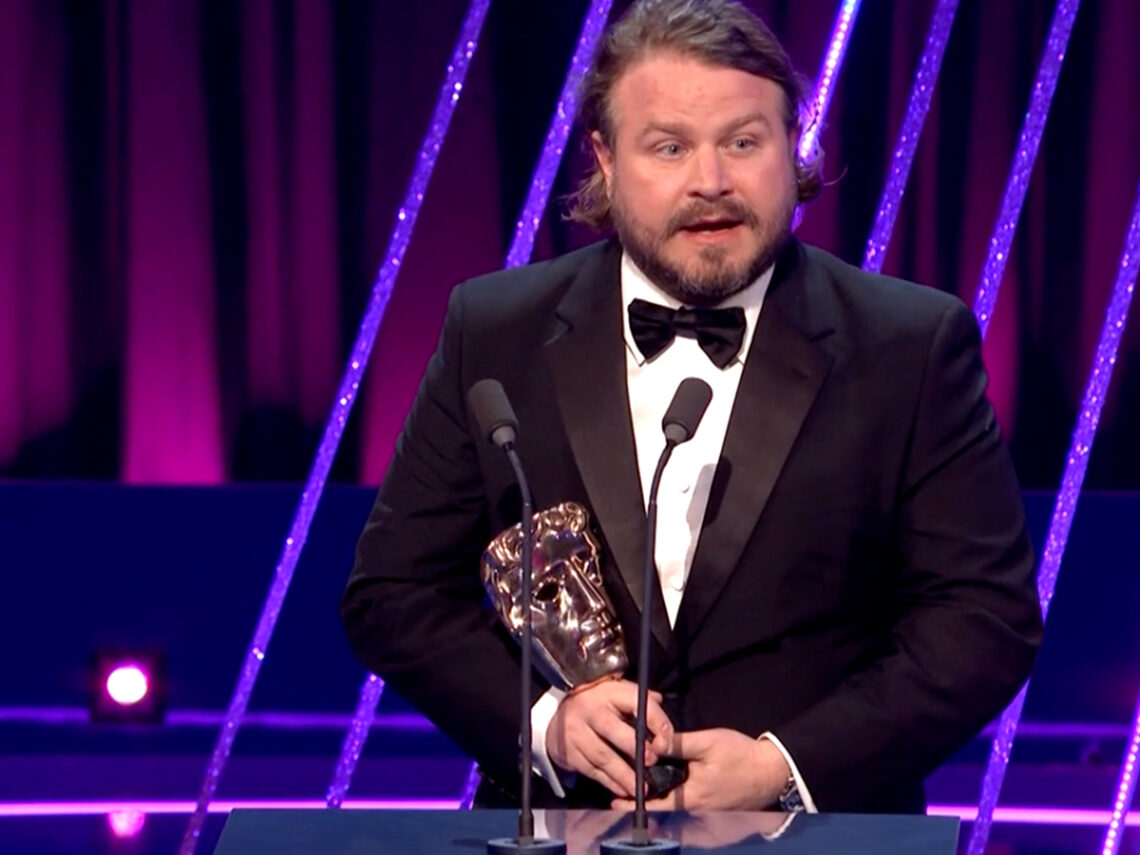
Baftas 2025: Brady Corbet shares favourite scene from ‘The Brutalist’

After picking up the Bafta for ‘Best Director’, Brady Corbet was quick to share the highs and lows of making movies, including his favourite scene from the award-winning movie The Brutalist.
The three-and-a-half-hour drama follows fictional Hungarian architect and Holocaust survivor László Tóth as he immigrates to the US and chases the American Dream.
In his acceptance speech, the director said, “I’m humbled and very grateful to be in a category not just with my fellow nominees and this particular ceremony but to all the filmmakers this year, Ali [Abbasi] and James [Mangold] and you know… best director… there’s no such thing. It’s like a joke. But I’m very grateful for all the same. To my cast, my crew, my family. Thank you for dealing with me for the last seven or eight years. That’s all.”
“Every movie is a challenge,” Corbet later explained in a press conference. “This was a unique challenge because of its length. It just took up a lot of space. You have four weeks scheduled to mix a movie that’s 120 minutes long, but if it’s 215 minutes, you don’t get more time. So we basically just didn’t sleep. I haven’t had a day off in years.”
“It’s a tale as old as time,” shared the filmmaker, saying that the movie’s subject matter is more relevant today than ever. “Unfortunately, history does tend to repeat itself, and this film was written during another immigration crisis seven/eight years ago, and I’m sad that it is relevant today. But, of course, it is.”
On staying true to his vision, Corbet reflected: “I do think it’s good for the eco-system that a film like this that is completely uncompromised – I don’t allow any other cooks in my kitchen, and the fact that it’s made $30million worldwide is exciting.”
Corbet would also share his favourite scene from the picture: “The whole sequence shot in Carrara because not many films have shot there. it’s a beautiful place, and we’d taken a bite out of mother nature, and she’s understandably pissed off. There are rock slides, our crew was about 16 people, only shooting with available light. especially to bring that camera, which was engineered in the 1950s and bring it to that place and shoot it in a way that hasn’t been shot before”

Never Miss A Scene
The Far Out Film Newsletter
All the latest film news from the independent voice of culture.
Straight to your inbox.